Arun has been associated with India International Times since 2018 and he has been a key reporter in covering science and space related stories. He can be reached at arunKnn@indiainternationaltimes.com.
Karnataka Food and Civil Supplies Minister Umesh Vishwanath Katti aged 61 passed away due to cardiac arrest in Bengaluru on Tuesday night.
The State declared one day mourning.
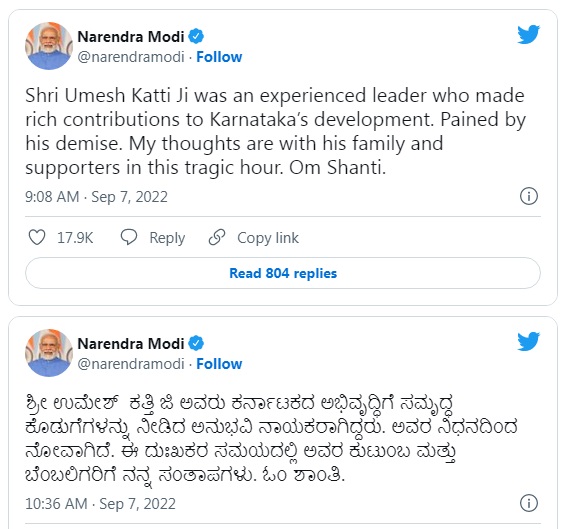
Prime Minister, Narendra Modi has expressed deep grief on the demise of Karnataka Minister, Umesh Katti.
The Prime Minister tweeted;
“Shri Umesh Katti Ji was an experienced leader who made rich contributions to Karnataka’s development. Pained by his demise. My thoughts are with his family and supporters in this tragic hour. Om Shanti.”
President Droupadi Murmu will virtually launch the TB Mukt Bharat Abhiyaan on Friday to reinvigorate the mission of TB elimination from the country by 2025.
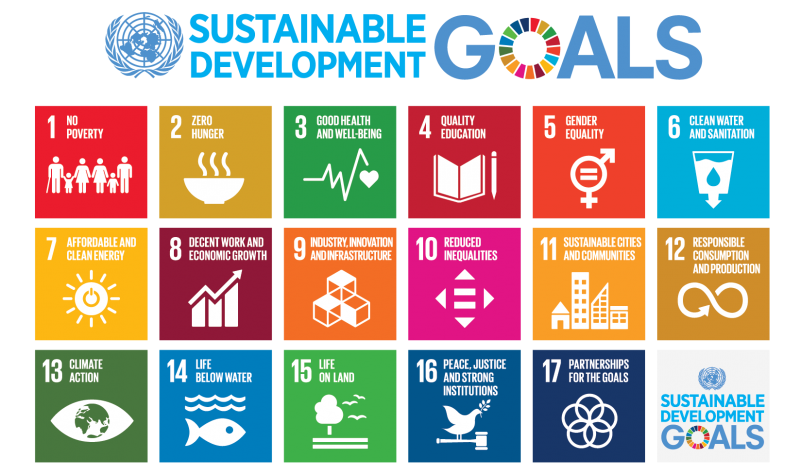
Following the government’s initiative to end Tuberculosis or TB in the country five years ahead of Sustainable Development Goals (SDG) target of 2030 by the United Nations, the Abhiyaan will be launched in presence of Mansukh Mandaviya, Union Minister of Health and Family Welfare and other officials.
The virtual event will be attended by representatives from State and district health administration, corporates, industries, civil society and NGOs as the country reiterates the commitment towards TB elimination by 2025.
The TB Mukt Bharat Abhiyaan has been envisioned to bring together all community stakeholders to support those on TB treatment and accelerate the country’s progress towards TB elimination.
The President will also launch the Ni-kshay Mitra initiative which forms a vital component of the Abhiyaan. The Ni-kshay Mitra portal provides a platform for donors to provide various forms of support to those undergoing TB treatment. The three pronged support includes nutritional, additional diagnostic, and vocational support.
The launch event aims to highlight the need for a societal approach that brings together people from all backgrounds to achieve the ambitious target of eliminating TB from the country by 2025, ahead of the SDG targets set by the UN.
SDG target to eliminate TB
Tuberculosis is an infectious bacterial disease caused by Mycobacterium tuberculosis, which most commonly affects the lungs. In June 2022, WHO’s Director-General Dr Tedros Adhanom Ghebreyesus held a dialogue with WHO’s Civil Society Task Force on Tuberculosis (CSTF-TB) sought to support the rapid adoption of WHO guidelines at country level.
It has called upon nations to increase access to the best evidence-based interventions for people and communities affected by TB, including prevention, detection and treatment of people with TB and related comorbidities, with the involvement of civil society and affected communities.
Thousands of never-before-seen young stars spotted in a stellar nursery called 30 Doradus, captured by NASA’s James Webb Space Telescope, called Tarantula Nebula owing to its appearance in dusty filaments.
The nebula has long been a favorite for astronomers studying star formation and the Webb has been revealing beautiful distant background galaxies, as well as the detailed structure and composition of the nebula’s gas and dust ever since it’s started capturing the deep space.
At only 161,000 light-years away in the Large Magellanic Cloud galaxy, the Tarantula Nebula is the largest and brightest star-forming region in the Local Group, the galaxies nearest our Milky Way. It is home to the hottest, most massive stars known. Astronomers focused three of Webb’s high-resolution infrared instruments on the Tarantula. Under the lens of Webb’s Near-Infrared Camera (NIRCam), the region resembles a burrowing tarantula’s home, lined with its silk.
The nebula’s cavity centered in the image above has been hollowed out by blistering radiation from a cluster of massive young stars, which sparkle pale blue in the image. Only the densest surrounding areas of the nebula resist erosion by these stars’ powerful stellar winds, forming pillars that appear to point back toward the cluster. These pillars contain forming protostars, which will eventually emerge from their dusty cocoons and take their turn shaping the nebula.
Caption: Nestled in the center of the Tarantula Nebula in the Large Magellanic Cloud is the largest star yet discovered, astronomers have produced the sharpest image ever of this star. Photo:Observatory/NOIRLab/NSF/AURA Acknowledgment
Webb’s Near-Infrared Spectrograph (NIRSpec) caught one very young star doing precisely emerging out of the dust. Astronomers previously thought this star might be a bit older and already in the process of clearing out a bubble around itself. However, NIRSpec showed that the star was only just beginning to emerge from its pillar and still maintained an insulating cloud of dust around itself. Without Webb’s high-resolution spectra at infrared wavelengths, this episode of star formation-in-action could not have been revealed.
The region takes on a different appearance when viewed in the longer infrared wavelengths detected by Webb’s Mid-infrared Instrument (MIRI). The hot stars fade, and the cooler gas and dust glow. Within the stellar nursery clouds, points of light indicate embedded protostars, still gaining mass.
While shorter wavelengths of light are absorbed or scattered by dust grains in the nebula, and therefore never reach Webb to be detected, longer mid-infrared wavelengths penetrate that dust, ultimately revealing a previously unseen cosmic environment.
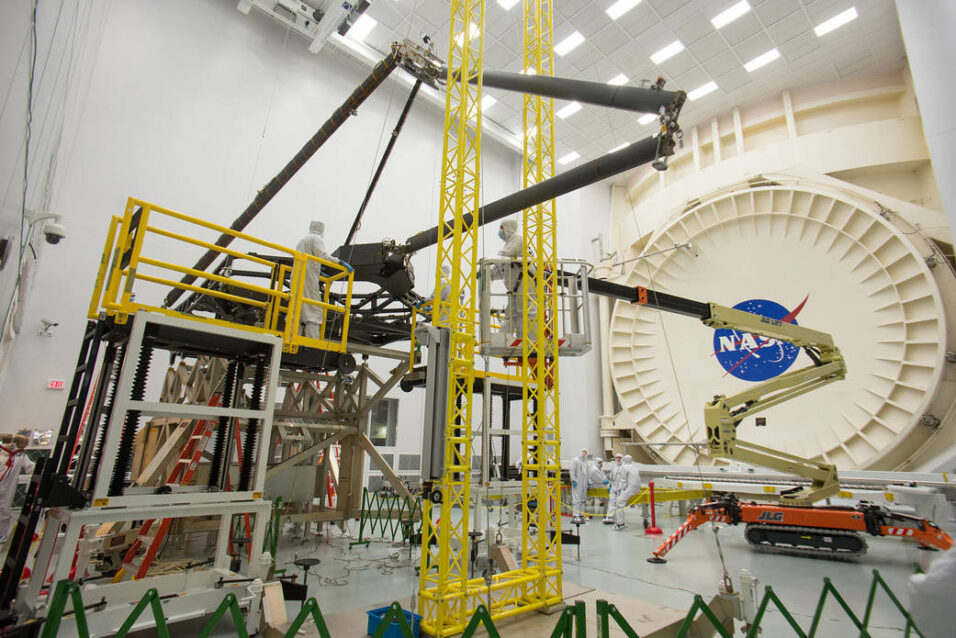
Caption: NASA’s James Webb Space Telescope
One of the reasons the Tarantula Nebula is interesting to astronomers is that the nebula has a similar type of chemical composition as the gigantic star-forming regions observed at the universe’s “cosmic noon,” when the cosmos was only a few billion years old and star formation was at its peak. Star-forming regions in our Milky Way galaxy are not producing stars at the same furious rate as the Tarantula Nebula, and have a different chemical composition.
Caption: In this mosaic image displays the Tarantula Nebula star, including tens of thousands of never-before-seen young stars that were previously shrouded in cosmic dust. The most active region appears to sparkle with massive young stars, appearing pale blue./Photo:NASA
This makes the Tarantula the closest (i.e., easiest to see in detail) example of what was happening in the universe as it reached its brilliant high noon. Webb will provide astronomers the opportunity to compare and contrast observations of star formation in the Tarantula Nebula with the telescope’s deep observations of distant galaxies from the actual era of cosmic noon.
Suresh Raina, the first Indian batter to score a century in all three international formats, has announced his retirement from “all formats of cricket,” including IPL and other domestic matches. Raina, 35, had already retired from international cricket since 2020.
“I would like to announce my retirement from all formats of cricket,” Raina posted on Twitter on Tuesday.
However, Raina may in play tournaments like the Road Safety Series, for which he has already been confirmed, besides several T20 leagues abroad. “I want to continue playing cricket for two or three years,” he told Dainik Jagran. “I have informed BCCI secretary Jay Shah and vice-president Rajiv Shukla about my decision…. I will play in the Road Safety Series. T20 franchises from South Africa, Sri Lanka and UAE have contacted me but I am yet to take any decision.”
Suresh Raina calls it quits from all cricket matches
Raina, who kept away from the first-class cricket since 2018, played in the IPL last October for the Chennai Super Kings, whom he represented for 11 seasons between 2008 and 2021. He won four titles in CSK in 2010, 2011, 2018 and 2021 and is their top-scorer with 4,687 runs from 176 matches. However, he was released by CSK in Feb 2022 auction.
Raina has so far scored 6,871 runs in 109 first-class matches, 8,078 runs in 302 list A matches, 8,654 runs in 336 T20 matches.
He started playing for Uttar Pradesh in 2002 and made his international debut in 2005. In his career, Raina played 226 ODIs, 78 T20Is and 18 Tests for India, and was a member of the squad that won the ODI World Cup in 2011.
Bangladesh Prime Minister Sheikh Hasina, who is on a four-day visit, said India remains a friend of Bangladesh ever and remembered India’s contribution during the liberation struggle.
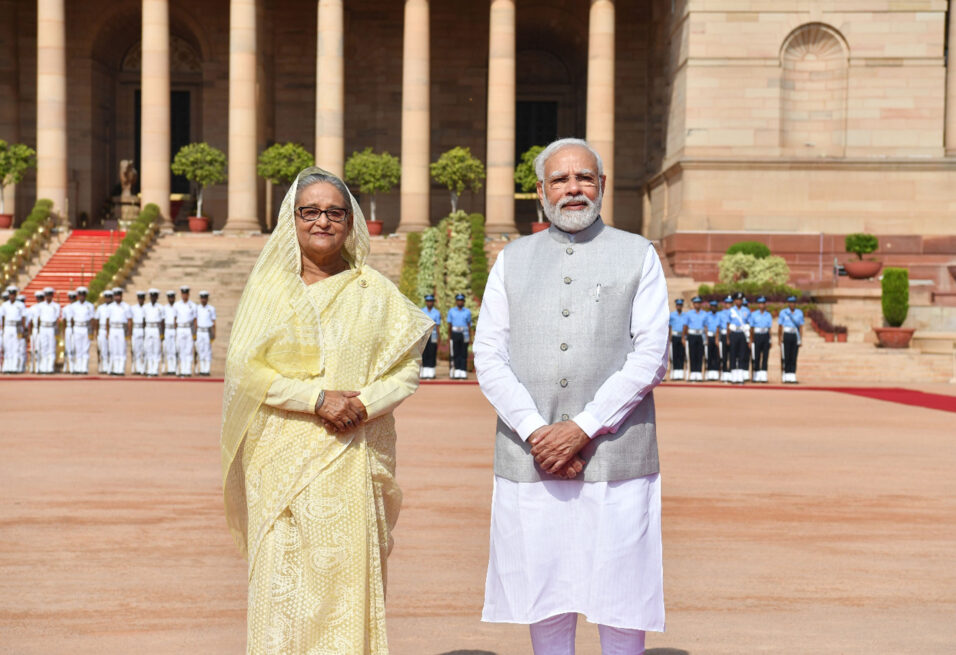
Hasina was received by Prime Minister Narendra Modi at the Rashtrapati Bhavan where the duo shook hands and posed for the photograph.
She was accorded a ceremonial welcome at Rashtrapati Bhavan in New Delhi on Tuesday. After her welcome, Hasina said, “India is our friend. Whenever I come to India, it is a matter of happiness for me, especially because we always remember India’s contribution during our liberation struggle. We have a friendly relationship, we are cooperating with each other.”
The leaders of the two countries are expected to hold extensive talks, after which the two sides are likely to unveil measures to boost cooperation in the areas of defence, trade and river-water sharing.
PM receives the Prime Minister of Bangladesh, Ms. Sheikh Hasina in a ceremonial welcome, at Rashtrapati Bhavan, in New Delhi on September 06, 2022.
On Thursday, Hasina is scheduled to visit Khwaja Moinuddin Chishti Dargah in Ajmer, Rajasthan.
Hasina’s delegation includes Foreign Minister A.K. Abdul Momen, Commerce Minister Tipu Munshi, Railway Minister Mohd Nurul Islam Suzanne, Liberation War Minister AKM Mozammel Haque and Economic Affairs Adviser to the Prime Minister Masiur AKM Rahman.
She had last visited New Delhi in October 2019. In March 2021, Prime Minister Modi visited Bangladesh to attend events organised to mark the birth centenary of Sheikh Mujibur Rahman and 50 years of Bangladesh’s liberation struggle.
India and Bangladesh finalised the text of the agreement on the interim sharing of waters of the Kushiyara river last month and the Memorandum of Understanding (MoU) is likely to be signed on Tuesday.
Homegrown micro-blogging platform Koo on Tuesday refuted earlier reports that it had laid off 40 employees and clarified that only 15 employees, or 5 per cent of its workforce has been fired.
In a fresh statement to media, the Twitter rival said that 15 positions “have been made redundant or removed due to performance issues. This is completely aligned with the industry standards of hiring and retrenchment. At the same time, Koo continues to hire talent in its monetisation, product and engineering teams.”
The company spokesperson also said Aprameya Radhakrishna, Co-founder and CEO, Koo, was recently in London for an industry event for Indian entrepreneurs and not to raise funds. She “did not meet any funders or high net worth individuals (HNIs) in London and did not engage in any fundraising activity,” said the company.
Koo has so far raised $44.1 million to date. Launched in March 2020, Koo is currently available in 10 languages — Hindi, Marathi, Gujarati, Punjabi, Kannada, Tamil, Telugu, Assamese, Bengali and English.
According to the platform, it has over 45 million downloads and is actively leveraged by 7,000 high-profile people from across the spectrum.
Koo is backed by Tiger Global and early stage investors like Accel, Kalaari Capital, Blume Ventures and Dream incubator. In February this year, Koo raised $10 million. Its investors include Capsier Venture Partner, Ravi Modi Family Trust, Ashneer Grover, FBC Venture Partners, Adventz Finance among others.
Researchers have discovered that some immunotherapy treatments used to treat cancer can cause fertility damage.
It means these treatments could affect the future fertility and hormonal health of female cancer survivors, prompting experts to call for more research and preventative measures, such as freezing eggs.
Led by the Biomedicine Discovery Institute at Monash University and the Peter MacCallum Cancer Centre, the pre-clinical trial showed that immune checkpoint inhibitors, a common type of immunotherapy drug, resulted in permanent damage to mouse ovaries and the eggs stored inside.
cancer/photo:en.wikipedia.org
Traditional cancer therapies, such as chemotherapy and radiotherapy, are already linked to permanent, negative side effects on the ovaries. This can lead to infertility and premature menopause in young girls and women.
Researchers found that checkpoint inhibitor immunotherapy reduced the number and quality of their eggs, interfered with ovulation, and disrupted the fertility cycle.
Until now the potential fertility side effects of immunotherapy, an emerging and increasingly common cancer treatment that stimulates the immune system, have been unknown.
The study found that a type of immunotherapy called immune checkpoint inhibitors, which ‘release the brakes’ on the immune system to enhance a patient’s ability to fight cancer, could impair immediate and future fertility.
Its authors said studies in female patients were now needed to investigate the findings. In the meantime, fertility preservation through egg or embryo freezing should be considered for women using these immunotherapies.
“Initially these treatments were thought to be less damaging (than chemo and radiotherapy) in the context of off-target effects to the body in general,” Ms Alesi said. “However, it is now clear that inflammatory side effects in other organ systems are quite common with these drugs.
“Our study highlights that caution should be exercised by clinicians and their patients, for whom fertility may be a concern. Studies in women receiving these drugs must now be prioritised.”
Peter MacCallum Cancer Centre Specialist Medical Oncologist Professor in breast cancer and a senior author on the study Sherene Loi said further research into how these drugs impact the ovarian function and fertility of women receiving these drugs must be prioritised and should be included in future clinical trials involving women of reproductive age.
“Our study further highlights that fertility discussions are critical for all age appropriate women who are recommended to receive chemotherapy as well as immunotherapy,” Professor Loi said.
“Appropriate interventions that can preserve fertility and ovarian function can be implemented to facilitate pregnancies in the future, post completion of treatment. These interventions need to be implemented in a timely manner, so as not to delay anti-cancer treatment.
“Immunotherapy is now becoming a standard of care for many women with curable early stage breast cancer, due to impressive results in reducing breast cancer recurrences, but further research into the long-term effects of immunotherapy is needed.”
Apart from drugs that block ovaries from producing hormones during chemotherapy, and strategies to prevent premature menopause in younger women, Ms Alesi said egg and embryo freezing was the only fertility preservation measure available.
She said it was important to remember that embryo freezing was expensive, invasive and did not prevent ovarian damage. This meant that premature menopause could still be a risk for these women.
“Therefore, we are now prioritising investigation of targeted ovarian preservation strategies that aim to prevent the damage to the ovary from occurring in the first place, without interfering with the drugs’ ability to fight the cancer” she said.
Babies and children under three years old are less likely to develop croup if their mothers took fish oil and vitamin D supplements during pregnancy, according to new results from a clinical trial.
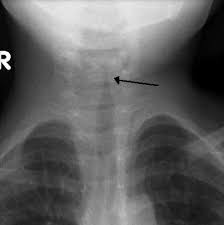
Croup is a viral chest infection that affects young children. It causes a characteristic ‘barking’ cough, a hoarse voice and difficulty breathing. Croup is common and usually mild, but some children will need hospital treatment and breathing support.
The study was presented by Dr Nicklas Brustad, a clinician and postdoctoral researcher working on the Copenhagen Prospective Studies on Asthma in Childhood (COPSAC) at Copenhagen University Hospital, Denmark.
He told the Congress: “There is currently no vaccine against the pathogen that causes this disease. Therefore, other preventive strategies are needed, and measures initiated during pregnancy might be important since croup occurs in babies and young children. For such purpose, there is evidence that both vitamin D and fish oil could have an influence on the immune system.”
croup-chest infection/photo:en.wikipedia.org
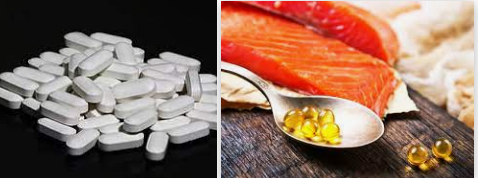
The study included 736 pregnant women being cared for by COPSAC from 2010. The women were divided up into four groups. One group were given a high-dose vitamin D supplement (2800 international units per day) and fish oil containing long-chain n-3-polyunsaturated fatty acids (2.4 grams), the second group were given high-dose vitamin D and olive oil, the third group were given standard-dose vitamin D (400 international units per day) and fish oil, and the final group were given standard-dose vitamin D and olive oil. All the women took the supplements daily from their 24th week of pregnancy until one week after their babies were born. Neither the women nor the researchers knew which supplements they were taking until the end of the study.
Researchers monitored the children until they were three years old and any who were suspected of suffering from croup were diagnosed by a doctor or via their medical records. There was a total of 97 cases of croup amongst the children.
Overall, children whose mothers took the fish oil had an 11% risk of croup, compared to 17% in the children whose mothers took olive oil (a 38% decrease). Children whose mothers took high-dose vitamin D had an 11% risk of croup, compared to an 18% risk in those whose mothers took the standard-dose vitamin D (a 40% decrease).
Dr Brustad said: “Our findings suggest that vitamin D and fish oil could be beneficial against childhood croup in sufficiently high doses. These are relatively cheap supplements meaning that this could be a very cost-effective approach to improving young children’s health.
Vitamin D and fish oil can stimulate the immune system to help babies and young children clear infections more effectively.”
The research team working at COPSAC have already investigated other potential benefits of vitamin D and fish oil during pregnancy, including its effects on bone development, the central nervous system, body composition and asthma. They will continue to follow the children in the study and plan to investigate why some children are more prone to infections in childhood than others.
Professor Rory Morty from the University of Heidelberg is chair of European Respiratory Society’s lung and airway developmental biology group and was not involved in the research. He said: “We know that lung health in babies and young children can be influenced during pregnancy. For example, babies whose mothers smoke tend to have worse lung health. We are increasingly seeing that elements of a mother’s diet can also help or hinder a baby’s lung development.
“This research suggests that taking vitamin D and fish oil supplements during pregnancy could have benefits for babies and young children. We would like to see further research in this area to support these findings as this could lead to new recommendations for supplementation during pregnancy. Pregnant women should always speak to their doctor before taking supplements.”
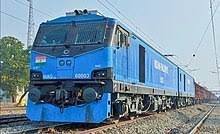
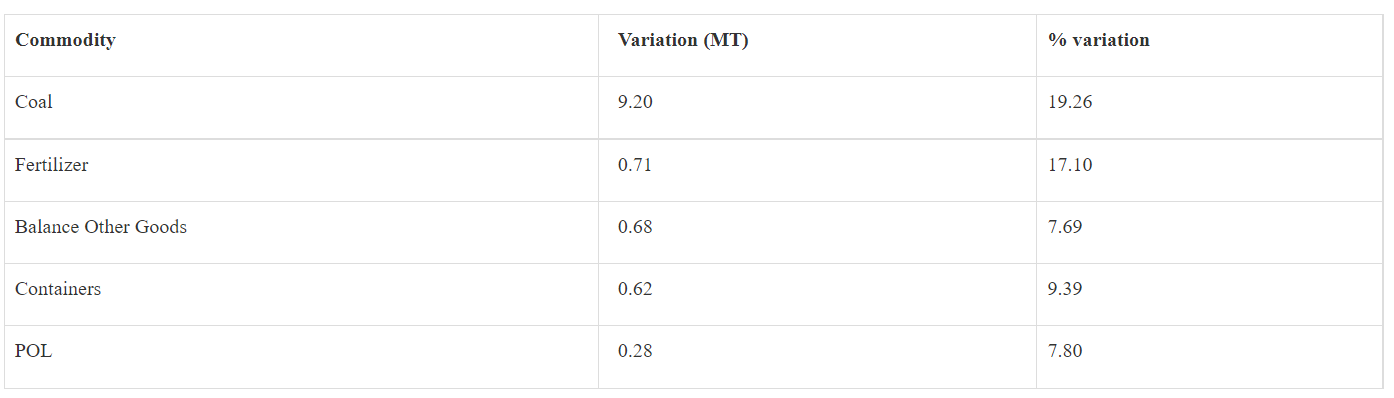
Indian Railways has recorded best ever August Monthly freight loading of 119.32 MT in August’22. The incremental loading in the month of August has been 8.69 MT i.e. a growth of 7.86 % over the previous best August figures achieved in 2021. With this, Indian Railways has had 24 straight months of best ever monthly freight loading.
IR has achieved an incremental loading of 9.2 MT in Coal, followed by 0.71 MT in Fertilizer, 0.68 MT in Balance other goods and 0.62 MT Containers. Increase in automobile loading has been another highlight of Freight Business in FY 2022-23 and 2206 rakes have been loaded in FY 2022-23 till August as compared to 1314 rakes during the same period of last year i.e. a growth of 68%.
The cumulative freight loading from 1st April’2022 to 31st August ’2022 has been 620.87 MT as against 562.75 MT achieved in 2021-22 i.e. an incremental loading of 58.11 MT, with a growth of 10.32 % over same period last year.
The freight NTKMs (Net tonne kilometers) have increased from 63 Billion in August ’21 to 73 Billion in August’22 registering a growth of 16 %. The cumulative NTKMs in the first five months have also grown by 18.29 %.
Railways/Photo:en.wikipedia.org
The sustained efforts of Indian Railways to increase supply of Coal to Power houses, in close coordination with Ministry of Power and Coal, have been one of the key features of the freight performance in the month of August. The loading of Coal (both domestic and imported) to Power Houses has increased by 10.46 MT in August with 44.64 MT Coal being moved to Power houses as against 34.18 MT last year, i.e. a growth of 31%. Cumulatively, in the first five months of the year, IR has loaded more than 58.41 MT extra coal to Power Houses as compared to same period of last year, with a growth of more than 32%.
The commodity wise growth number show that IR has achieved impressive growth in almost all commodity segments with the following growth rates :
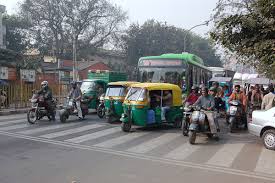
The Ministry of Road Transport and Highways has issued the Motor Vehicles Non Transport Vehicles Visiting India Rules, 2022 vide notification GSR 680(E) dated 02.09.2022. These rules formalize the movement of Non-Transport (Personal) vehicles registered in other countries when entering or plying in the territory of India.
The following documents shall be carried in the vehicle(s) operating under these rules during the duration of stay in the country, namely:–
(i) A valid registration certificate;
(ii) A valid driving license or international driving permit, whichever is applicable;
(iii) A valid insurance policy;
(iv) A valid pollution under control certificate (if applicable in the origin country);
In case the documents referred above are in a language other than English, then an authorized English translation, duly authenticated by the issuing authority, shall be carried along with the original documents.
Driving in India/Photo:en.wikipedia.org
Motor vehicles registered in any country other than India shall not be permitted to transport local passengers and goods within the territory of India.
Motor vehicles registered in any country other than India shall be required to comply with rules and regulations made under Motor Vehicles Act, 1988 of India.
The Union Government is committed to accelerating the pace and expanding the scope of COVID-19 vaccination throughout the country. The nationwide COVID 19 vaccination started on 16th January 2021. The new phase of universalization of COVID-19 vaccination commenced from 21st June 2021. The vaccination drive has been ramped up through availability of more vaccines, advance visibility of vaccine availability to States and UTs for enabling better planning by them, and streamlining the vaccine supply chain.
As part of the nationwide vaccination drive, Government of India has been supporting the States and UTs by providing them COVID Vaccines free of cost. In the new phase of the universalization of the COVID19 vaccination drive, the Union Government will procure and supply (free of cost) 75% of the vaccines being produced by the vaccine manufacturers in the country to States and UTs.
covid vaccines doses
More than 201.88 crore (2,01,88,89,325) vaccine doses have been provided to States/UTs so far through Govt. of India (free of cost channel) and through direct state procurement category.
More than5.58Cr (5,58,87,590) balance and unutilized COVID Vaccine doses are still available with the States/UTs to be administered.
The Prime Minister, Shri Narendra Modi has conveyed his condolences to Smt Sonia Gandhi on the passing away of her mother, Mrs. Paola Maino.
The Prime Minister tweeted :
“Condolences to Sonia Gandhi Ji on the passing away of her mother, Mrs. Paola Maino. May her soul rest in peace. In this hour of grief, my thoughts are with the entire family.”
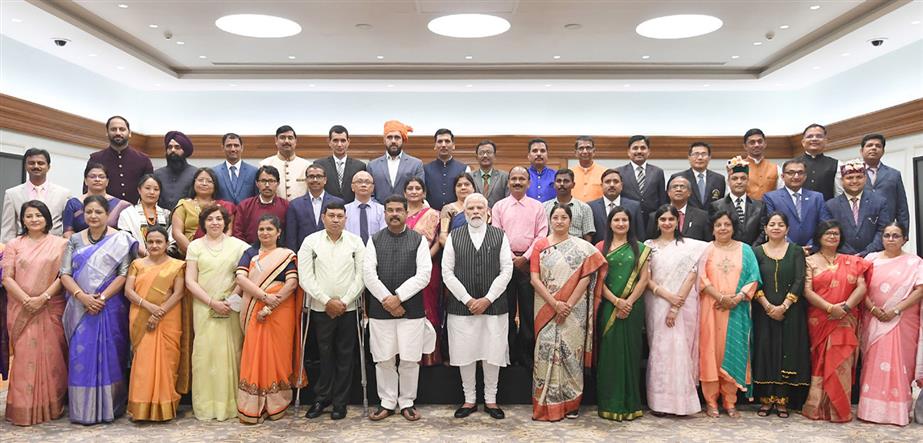
On the occasion of Teacher’s day, Prime Minister Shri Narendra Modi will interact with the winners of National Awards to Teachers, 2022 at 7 Lok Kalyan Marg on 5th September, 2022 at 4:30 PM.
The purpose of National Awards to Teachers is to celebrate and honour the unique contribution of some of the finest teachers in the country who through their commitment and hard work have not only improved the quality of school education but also enriched the lives of their students.
Teacher’s day
The National Awards to Teachers accords public recognition to meritorious teachers working in elementary and secondary schools. For the award this year, 45 teachers from across the country have been selected through a rigorous and transparent online three stage process.
PM with the winners of National Awards to Teachers on the occasion of Teacher’s Day/Photo:PIB
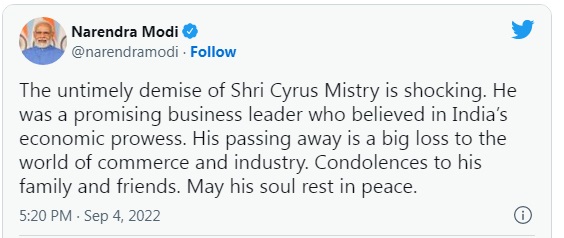
The Prime Minister, Shri Narendra Modi has expressed deep grief over the untimely demise of Shri Cyrus Mistry. Shri Modi has said that he was a promising business leader who believed in India’s economic prowess.
In a tweet, the Prime Minister said;
“The untimely demise of Shri Cyrus Mistry is shocking. He was a promising business leader who believed in India’s economic prowess. His passing away is a big loss to the world of commerce and industry. Condolences to his family and friends. May his soul rest in peace.”
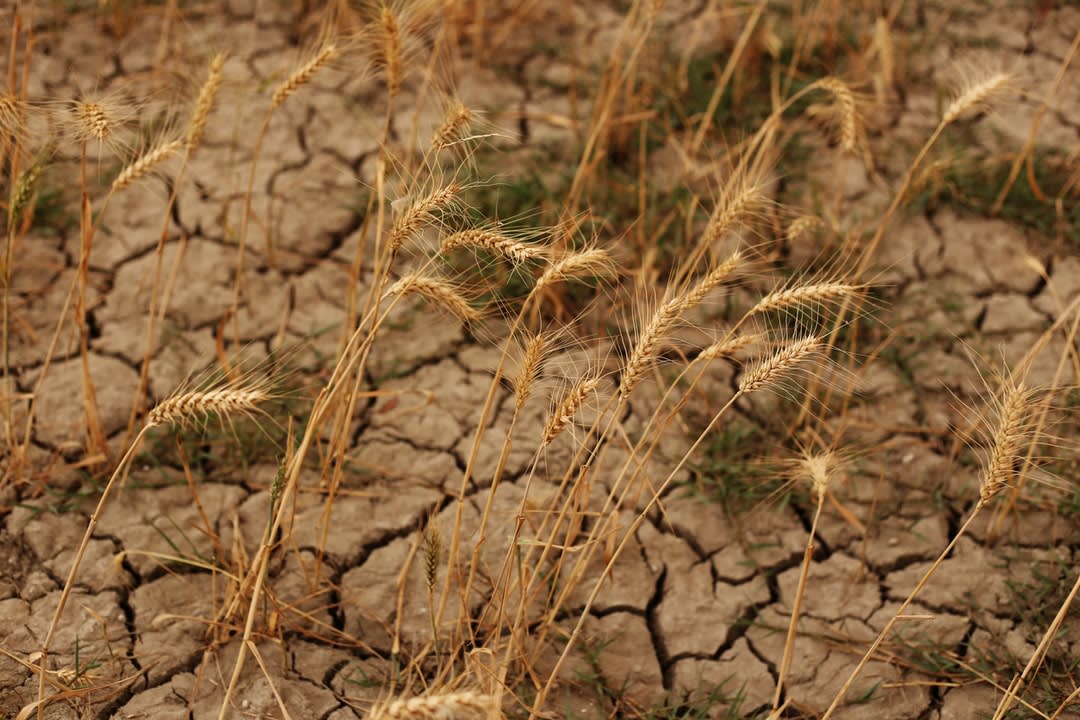
At the tail end of winter in 2015, the ground in the Wimmera in northeastern Victoria had been a little, dry but conditions weren’t too bad for farmers. The crop season was going well.
The start of September looked promising. It was cool, and there were decent rains
A few weeks later, summer weather had arrived early. At the start of October, the soils were baked dry. Lentils and other pulse crops were devastated.
This kind of event, where drier-than-normal conditions transform into severe or extreme drought in the space of weeks, is called a “flash drought”. While flash droughts are still not well understood, our research studies how they occur in Australia – which may help move us towards being able to warn of flash drought in advance.
wheat/Photo:monash.edu
The different kinds of drought
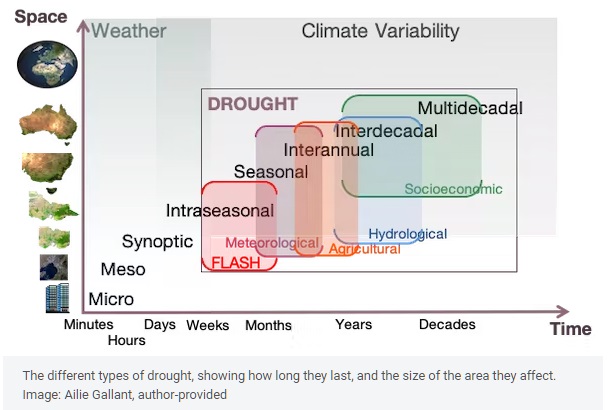
Scientists typically talk about drought as a lack or deficit of available moisture to meet various needs, such as in agriculture or for water resources. We often classify different types of drought depending on where there’s a lack of water, or what its effects are:
Meteorological drought is a deficit of rain or other precipitation
Agricultural drought is a deficit of moisture in the soil and evaporating or transpiring into the air
Hydrological drought is a deficit of water in runoff and surface storage such as dams
Socioeconomic drought is a lack of water that affects the supply and demand of economic goods and services.
Different types of drought can occur at the same time, or a drought may evolve from one type to another. Droughts can last from months to decades, and can cover areas from a local region to most of the continent.
Recently, a new characterisation of drought has been added to the drought spectrum: “Flash” drought.
What causes flash droughts?
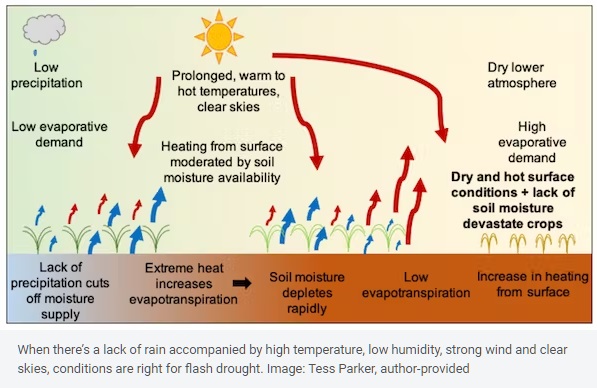
Flash droughts are droughts that begin suddenly and then rapidly become more intense. Droughts only occur when there’s insufficient rainfall, but flash droughts intensify rapidly over timescales of weeks to months because of other factors such as high temperatures, low humidity, strong winds and clear skies.
These conditions make the air “thirsty”, which meteorologists call “increased evaporative demand”. This means more water evaporates from the surface and transpires from plants, and moisture in the soil is rapidly depleted.
Under these conditions, evaporation and transpiration increase for as long as moisture is available at the surface. When this moisture is depleted and there’s no rain to replenish it, the lack of water limits evaporation and transpiration – and vegetation becomes stressed as drought emerges.
Why haven’t we heard about flash drought before?
Flash droughts have always existed, and were first described in 2002. However, some particularly devastating flash droughts over the past decade have led to a surge of interest among researchers.
One such drought happened in the US Midwest. In May 2012, 30% of the continental United States was experiencing abnormally dry conditions. By August, that had extended to more than 60%. Although other rapidly developing droughts had been seen before, the widespread impacts of this event caught the attention of the US public and government.
Flash droughts are also increasingly a focus of attention in China and Australia. One of the few studies of flash drought in Australia examined an event when conditions in the country’s east suddenly changed from wet in December 2017, to dry in January 2018.
Anecdotal reports from farmers in the northern Murray-Darling Basin indicated removal of livestock from properties, and sheep numbers at record lows. By June 2018, there were reports of trees dying and a desert-like landscape, with little grass cover.
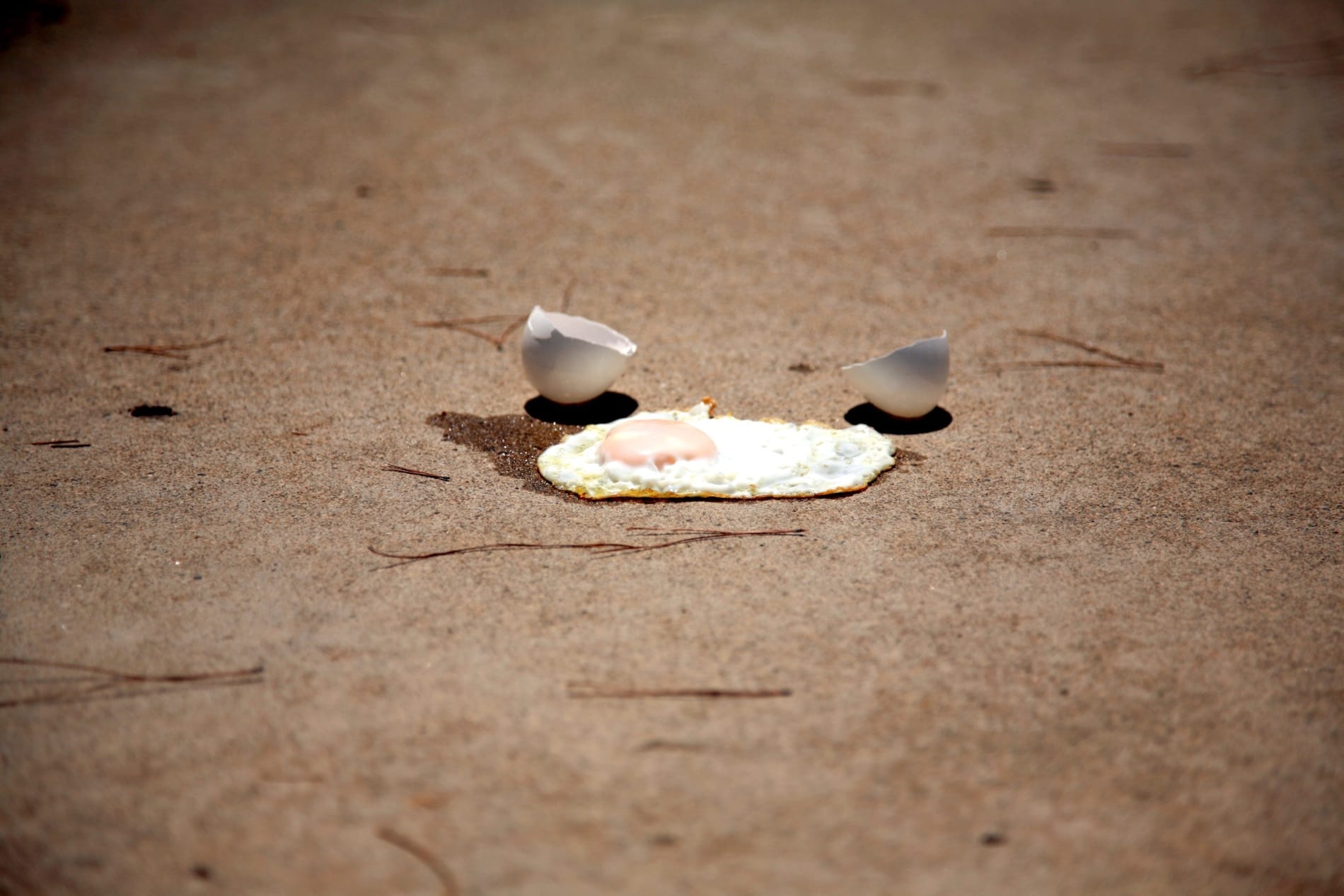
Ah, the Australian summer. When the temperatures top 40℃ and only the bravest or most foolhardy would venture outside in bare feet, there’s a cherished old saying: “It’s so hot outside, you could fry an egg on the footpath!”
But what does the science say? Does this claim stack up, or it half-baked?
To answer this question, we need to understand the chemicals inside an egg, what happens to them during the cooking process, and whether the footpath really gets hot enough to drive these chemical changes.
The first and most obvious point is that the egg’s yolk and white are chemically very different. The white, which makes up about two-thirds of an egg’s mass, is roughly nine parts water and one part protein. The key here is that the protein’s structure changes if you heat it above a certain temperature.
Omelette on road/Photo: Shutterstock
About half the yolk’s mass is water, about a quarter is “fat”, about one-sixth is protein, and less than 5% is carbohydrates. The protein in the yolk is a completely different type of protein, but much like with the egg white, it’s how the protein responds to heat that gives us the texture of fried, scrambled, poached or hard-boiled eggs.
Ok, so how does this work?
We can think of proteins as being long chains of molecules called amino acids. In a raw egg, the protein is suspended in the watery mixture. The chain is curled up in a very particular way, held in shape by weak chemical bonds between different parts of the chain as it folds over on itself. (The animation below shows the folded structure of ovalbumin, the main protein in egg white.) This keeps it stable, and able to mix with the water.
But once it’s heated up, the heat energy starts to break these weak chemical bonds and the chain begins to uncurl, rearrange itself and stick together again in a completely different way.
Suddenly, these reconfigured clumps of protein molecules are no longer water-soluble, so they solidify. This is why eggs get harder if you cook them for longer.
This process is called denaturation, and it can happen to any type of protein. Denaturation is what turns milk into curds and whey, and changes the texture of meat as it cooks.
For eggs, denaturation begins at around 60℃, but this is likely to only slightly cook the egg whites, and the yolk will not turn solid at all.
As you slowly go from 60℃ to 70℃, however, there’s more heat energy available, and all of the egg’s proteins now begin to denature. The egg white begins to turn gel-like and eventually rubbery, and the yolk begins to solidify into a viscous goo, before eventually becoming solid or even slightly powdery in texture.
Get the temperature right and this process unfolds nice and gradually, which means with a bit of practice you can get your eggs to turn out exactly how you like them.
Right, so is a footpath hot enough for this?
That leaves us with the crucial question: How hot does pavement get on a scorching summer day? Does it reach the almost 70℃ you would need for a footpath fry-up?
This depends on a lot of factors, including the air temperature, direct sunlight, the footpath material, and even its colour. Black-painted concrete, for example, absorbs more heat than white or unpainted concrete.
All in all, at the peak of these conditions, on a boiling summer day, a footpath can potentially just about reach the right temperature. But sadly, that’s still not enough to sizzle an egg.
First, concrete is a poor conductor, so it will transfer heat to the egg much more slowly than a metal frying pan. Second, after cracking the egg onto the footpath, the footpath’s temperature will drop slightly.
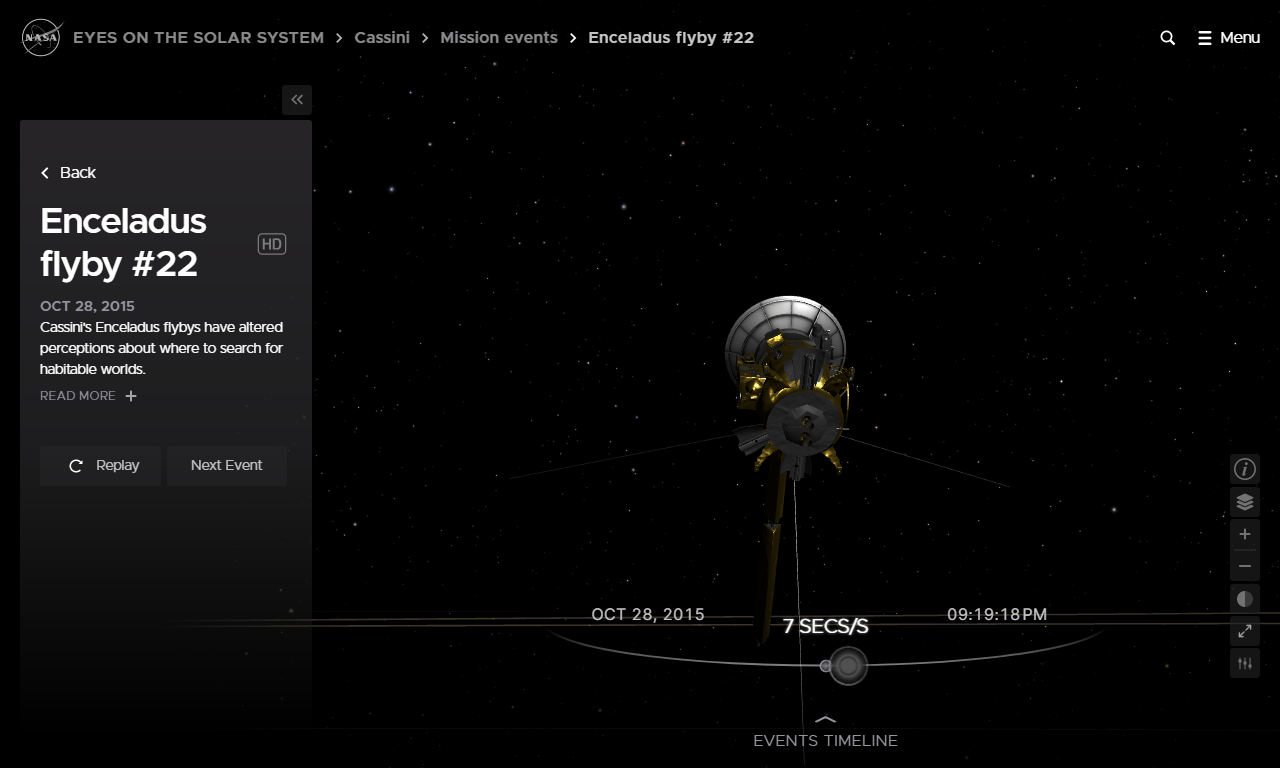
The agency’s newly upgraded “Eyes on the Solar System” visualization tool includes Artemis I’s trajectory along with a host of other new features.
NASA has revamped its “Eyes on the Solar System” 3D visualization tool, making interplanetary travel easier and more interactive than ever. More than two years in the making, the update delivers better controls, improved navigation, and a host of new opportunities to learn about our incredible corner of the cosmos – no spacesuit required. All you need is a device with an internet connection.
Trace the course Artemis I will take to lunar orbit, or touch down with Perseverance during its harrowing entry, descent, and landing on the Red Planet. Learn the basics about dwarf planets or the finer points of gas giants, and ride alongside no fewer than 126 space missions past and present. You can even follow the paths of spacecraft and celestial bodies as far back as 1949 and as far into the future as 2049.
While you’re at it, you can rotate objects, compare them side by side, and even modulate the perspective as well as the lighting. The visuals are striking. This latest version of “Eyes” also lets you scroll through rich interactive journeys, including Voyager’s Grand Tour of Jupiter, Saturn, Uranus, and Neptune.
“The beauty of the new browser-based ‘Eyes on the Solar System’ is that it really invites exploration. You just need an internet connection, a device that has a web browser, and some curiosity,” said Jason Craig, the producer of the “Eyes” software at NASA’s Jet Propulsion Laboratory.
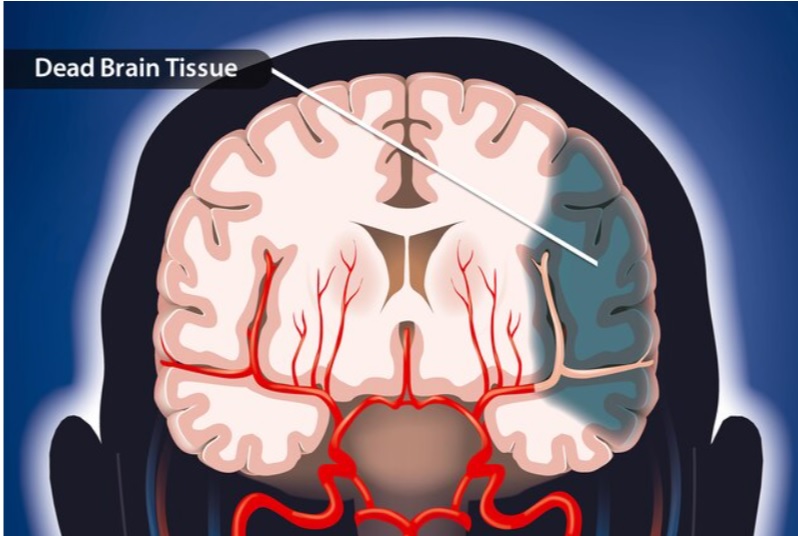
Gene variants associated with a person’s blood type may be linked to their risk of early stroke, according to a new meta-analysis published in the latest online issue of Neurology.
Non-O blood types have previously been linked to a risk of early stroke, but the new findings by University of Maryland School of Medicine study showed a stronger link between these blood types with early stroke compared to late stroke, and in linking risk mostly to blood type A.
Study author Braxton D. Mitchell of University of Maryland School of Medicine in Baltimore said, “Specifically, our meta-analysis suggests that gene variants tied to blood types A and O represent nearly all of those genetically linked with early stroke. People with these gene variants may be more likely to develop blood clots, which can lead to stroke.”
The meta-analysis involved a review of 48 studies on genetics and ischemic stroke from North America, Europe and Asia. The studies included 16,927 people with stroke and 576,353 people who did not have a stroke. Of those with stroke, 5,825 people had early onset stroke and 9,269 people had late onset stroke. Early onset stroke was defined as an ischemic stroke occurring before age 60 and late onset stroke was older than 60.
Researchers looked across all the chromosomes to identify genetic variants associated with stroke. They found a link between early stroke and the area of the chromosome that includes the gene that determines A, AB, B or O blood type.
They then divided participants into A, AB, B and O blood types. They compared the prevalence of those blood types in people with early stroke, late stroke and people who did not have a stroke.
Researchers found that people with early stroke were more likely to have blood type A and less likely to have blood type O compared to people with late stroke and people without stroke. Both early and late stroke were also more likely to have blood type B compared to controls.
Blood types/photo: en.wikipedia.org
When looking at people of European ancestry and comparing 5,825 people with early stroke to 29,320 people who did not have a stroke, the meta-analysis found that 48% of people with early stroke had blood type A compared to 45% of people with late stroke and 44% of people without stroke. They also found 35% of people with early stroke had blood type O compared to 39% of those with late stroke and 41% of people without stroke.
After adjusting for sex and other factors, researchers found those who had blood type A had an 16% higher risk of having an early stroke than people with other blood types. Those who had blood type O had a 12% lower risk of having a stroke than people with other blood types.
Scientists develop a simple, fast, and energy-efficient synthesis method for producing exceptional carbon nano-onions from fish scales.
Thanks to their low toxicity, chemical stability, and remarkable electrical and optical properties, carbon-based nanomaterials are finding more and more applications across electronics, energy conversion and storage, catalysis, and biomedicine. Carbon nano-onions (CNOs) are certainly no exception. First reported in 1980, CNOs are nanostructures composed of concentric shells of fullerenes, resembling cages within cages. They offer multiple attractive qualities such a s a high surface area and large electrical and thermal conductivities.
Unfortunately, the conventional methods for producing CNOs have some serious drawbacks. Some require harsh synthesis conditions, such as high temperatures or vacuum, while others demand a lot of time and energy. Some techniques can circumvent these limitations, but instead call for complex catalysts, expensive carbon sources, or dangerous acidic or basic conditions. This greatly limits the potential of CNOs.
Fish/Photo:en.wikipedia.org
Fortunately, not all hope is lost. In a recent study published in Green Chemistry (available online on April 25, 2022, and published in issue 10 on May 21, 2022), a team of scientists from Nagoya Institute of Technology in Japan found a simple and convenient way to turn fish waste into extremely high-quality CNOs. The team, which included Assistant Professor Yunzi Xin, Master’s student Kai Odachi, and Associate Professor Takashi Shirai, developed a synthesis route in which fish scales extracted from fish waste after cleaning are converted into CNOs in mere seconds through microwave pyrolysis.
But how can fish scales be converted into CNOs so easily? While the exact reason is not altogether clear, the team believes that it has to do with the collagen contained in fish scales, which can absorb enough microwave radiation to produce a fast rise in temperature. This leads to thermal decomposition or “pyrolysis,” which produces certain gases that support the assembly of CNOs. What is remarkable about this approach is that it needs no complex catalysts, nor harsh conditions, nor prolonged wait times; the fish scales can be converted into CNOs in less than 10 seconds!
Moreover, this synthesis process yields CNOs with very high crystallinity. This is remarkably difficult to achieve in processes that use biomass waste as a starting material. Additionally, during synthesis, the surface of the CNOs is selectively and thoroughly functionalized with (−COOH) and (−OH) groups. This is in stark contrast to the surface of CNOs prepared with conventional methods, which is typically bare and has to be functionalized through additional steps.
This “automatic” functionalization has important implications for applications of CNOs. When the CNO surface is not functionalized, the nanostructures tend to stick together owing to an attractive interaction known as pi−pi stacking. This makes it difficult to disperse them in solvents, which is necessary in any application requiring solution-based processes. However, since the proposed synthesis process produces functionalized CNOs, it allows for an excellent dispersibility in various solvents.
Yet another advantage associated with functionalization and the high crystallinity, is that of exceptional optical properties. Dr. Shirai explains: “The CNOs exhibit ultra-bright visible-light emission with an efficiency (or quantum yield) of 40%. This value, which has never been achieved before, is about 10 times higher than that of previously reported CNOs synthesized via conventional methods.”
To showcase some of the many practical applications of their CNOs, the team demonstrated their use in LEDs and blue-light-emitting thin films. The CNOs produced a highly stable emission, both inside solid devices and when dispersed in various solvents, including water, ethanol, and isopropanol. “The stable optical properties could enable us to fabricate large-area emissive flexible films and LED devices,” speculates Dr. Shirai. “These findings will open up new avenues for the development of next-generation displays and solid-state lighting.”
Furthermore, the proposed synthesis technique is environmentally friendly and provides a straightforward way to convert fish waste into infinitely more useful materials. The team believes their work would contribute to the fulfillment of several of UN’s Sustainable Development Goals. Additionally, if CNOs make their way into next-generation LED lighting and QLED displays, they could greatly help reduce their manufacturing costs.
Let us hope the efforts of these scientists tip the scales in favor of CNOs for more practical applications!
Kidney stones can cause not only excruciating pain but also are associated with chronic kidney disease, osteoporosis and cardiovascular disease. If you’ve experienced a kidney stone once, you have a 30% chance of having another kidney stone within five years.
Changes in diet are often prescribed to prevent recurrent symptomatic kidney stones. However, little research is available regarding dietary changes for those who have one incident of kidney stone formation versus those who have recurrent incidents.
Mayo Clinic researchers designed a prospective study to investigate the impact of dietary changes. Their findings show that enriching diets with foods high in calcium and potassium may prevent recurrent symptomatic kidney stones.
Dietary factors were based on a questionnaire administered to 411 patients who had experienced first-time symptomatic kidney stones and a control group of 384 people — all of whom were seen at Mayo Clinic in Rochester and Mayo Clinic in Florida between 2009 and 2018. The findings, which were published in Mayo Clinic Proceedings, show that lower dietary calcium and potassium, as well as lower intake of fluids, caffeine and phytate, are associated with higher odds of experiencing a first-time symptomatic kidney stone.
Of the patients who had first-time stone formation, 73 experienced recurrent stones within a median of 4.1 years of follow-up. Further analysis found that lower levels of dietary calcium and potassium predicted recurrence.
“These dietary findings may have particular importance because recommendations for preventing kidney stones have been based primarily on dietary factors associated with first-time rather than recurrent stone formation,” says Andrew Rule, M.D., a Mayo Clinic nephrologist and senior author of the study. “Patients may not be likely to adjust their diet to prevent an incidence of kidney stones, but they are more likely to do so if it can help prevent recurrence.”
Fluid intake of less than 3,400 milliliters per day, or about nine 12-ounce glasses, is associated with first-time stone formation, along with caffeine intake and phytate, the study finds. Daily fluid intake includes intake from foods such as fruits and vegetables.
Low fluid and caffeine intake can result in low urine volume and increased urine concentration, contributing to stone formation. Phytate is an antioxidant compound found in whole grains, nuts and other foods that can lead to increased calcium absorption and urinary calcium excretion.
“Changing your diet to prevent kidney stones can be very difficult,” says Dr. Rule. “Thus, knowing the dietary factors that are most important for preventing kidney stone recurrence can help patients and providers know what to prioritize.”
Low dietary calcium and potassium was a more important predictor than fluid intake of recurrent kidney stone formation, says Api Chewcharat, M.D., the article’s first author and a postdoctoral research fellow at Mayo Clinic at the time of the study. “This is not to say high fluid intake is not important. We just did not find benefits of increasing fluid intake among those patients with a history of kidney stone formation.”
The study concludes that diets with daily intake of 1,200 milligrams of calcium may help prevent first-time and recurrent kidney stones. That daily intake is in line with the Department of Agriculture’s daily recommended nutrition.
While higher potassium intake also is recommended, the USDA does not make a recommendation for daily potassium intake. The study also doesn’t recommend an intake level.
Dr. Chewcharat says the takeaway is that patients should add more fruits and vegetables that are high in calcium and potassium to their diets. Fruits that are high in potassium include bananas, oranges, grapefruits, cantaloupes, honeydew melons and apricots. Vegetables include potatoes, mushrooms, peas, cucumbers and zucchini.