Armed groups control large swaths of Port-au-Prince, forcing more than 1.4 million people from their homes and cutting access to food, health, water and education services.
Half the population is not getting enough to eat, and malnutrition among children is rising sharply. Humanitarian efforts are hampered by insecurity and blocked access routes.
According to the UN, six million people of Haiti’s population of around 11.4 million need some form of humanitarian assistance in 2026.
Why funding Haiti matters
Funding for humanitarian aid in Haiti is a lifeline for millions. The UN’s 2026 Humanitarian Response Plan seeks $880 million to assist 4.2 million of those six million vulnerable people, covering emergency food, shelter, protection, health and education services.
Without these resources, basic lifesaving operations, such as nutrition support for children and protection services for women and girls, cannot reach all of those in need.
UN agencies stress that sufficient donor funds are essential not only to save lives but to stabilise communities torn apart by violence and displacement.

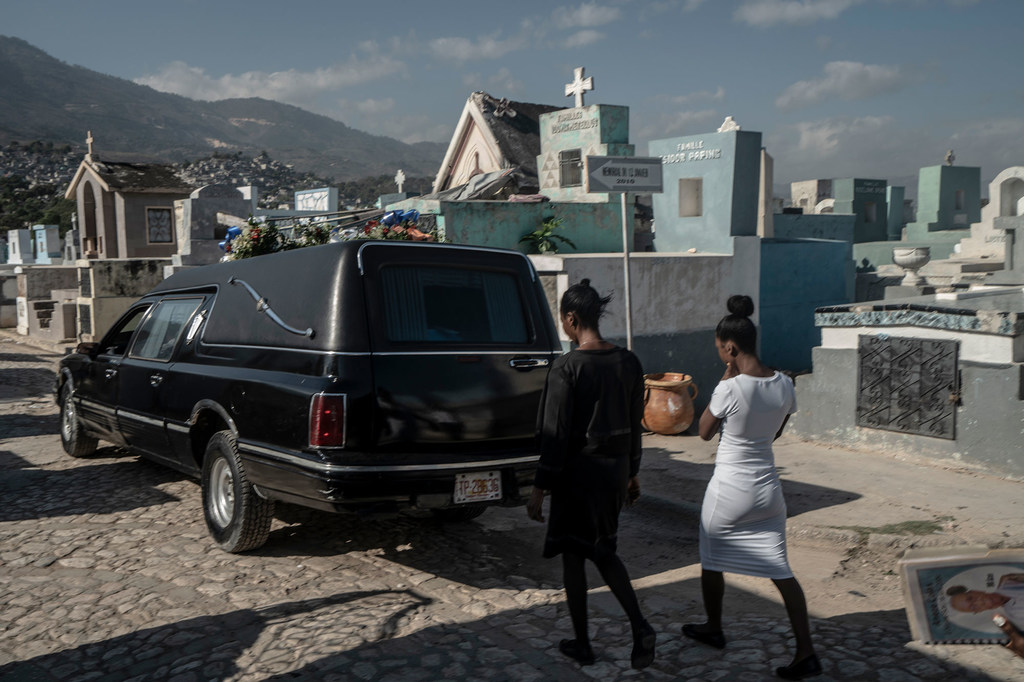
Thousands of people have died as a result of gang violence in Haiti’s capital, Port-au-Prince.
Violence by armed groups has forced 1.4 million people, or 12 per cent of the population, to flee their homes.
Mass displacement has left children without education, healthcare, or safety.
What is the UN saying?
The UN’s most senior humanitarian official in the Caribbean country, Nicole Boni Kouassi, said that said the high level of funding was needed “to preserve the life and dignity of every Haitian, and to keep hope alive for younger generations.”
Speaking to donors in August 2025, the UN Secretary-General, António Guterres said “Haiti remains shamefully overlooked and woefully underfunded.”
What services have been reduced?
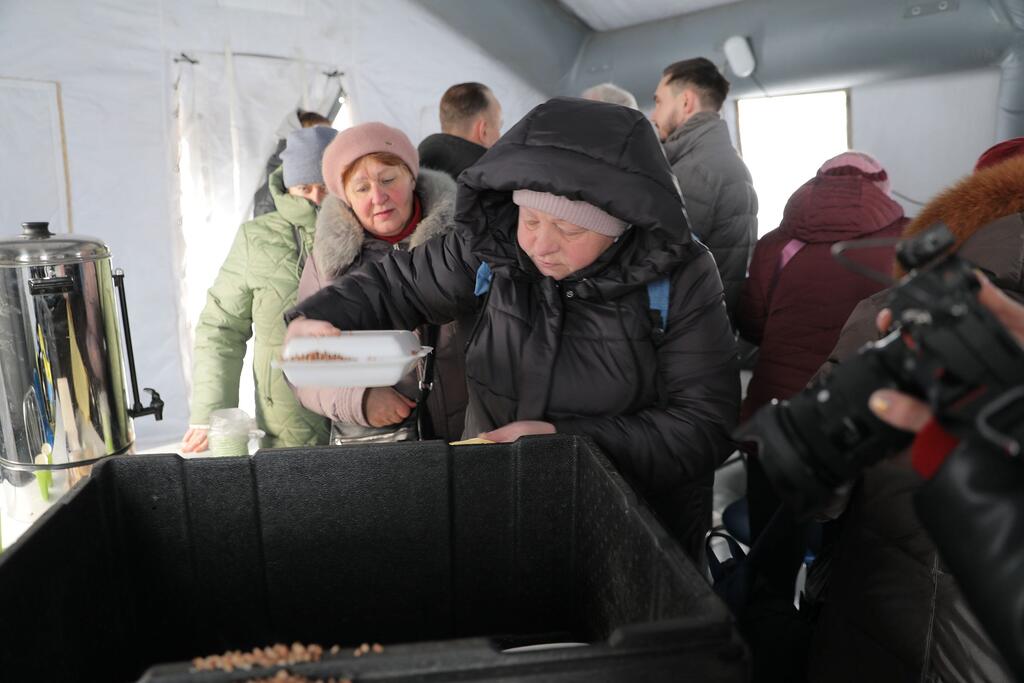
- Significant cuts to food security services, leaving many people without regular food assistance as food insecurity rises nationwide.
- Access to drinking water curtailed, with reductions in water distribution and WASH (water, sanitation, and hygiene) services.
- Primary healthcare services scaled back, including community‑level health support and clinical services.
- Education-related humanitarian support reduced, affecting children already impacted by school closures and displacement.
- Protection services restricted, including programs addressing gender‑based violence, child protection, and support for survivors.

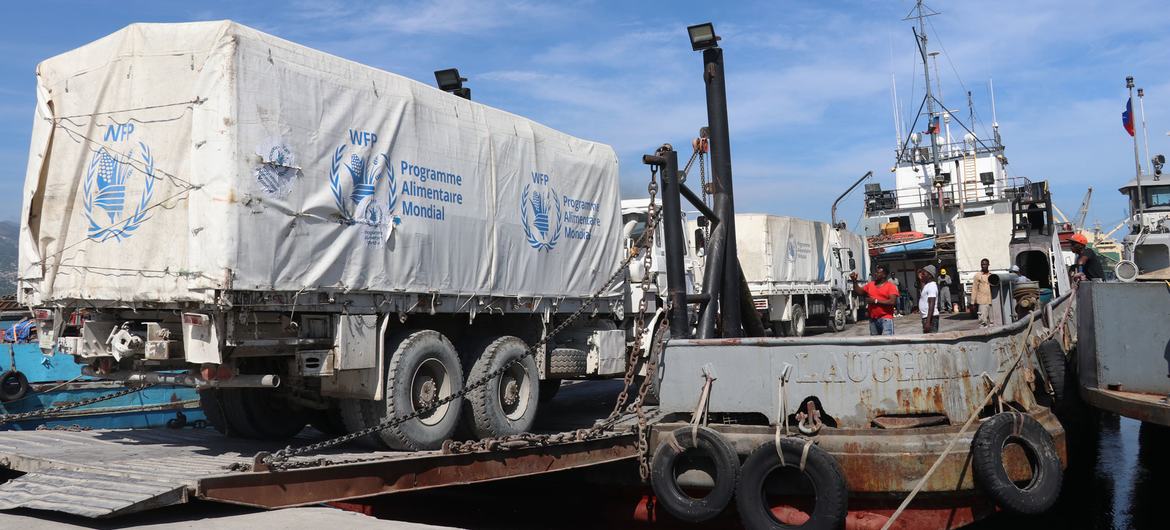
Trucks carrying aid to Haitians are loaded onto boats to bypass areas controlled by gangs.
Why funding has been so difficult to raise
Despite the scale of need, Haiti’s humanitarian appeal is among the least funded crises in the world. For 2025, the UN sought $908 million but received only 24 per cent of that target.
Competing global crises and donor fatigue, together with attention on other emergencies, including in Sudan, Ukraine and Gaza, have left Haiti’s requirements under-resourced.
Funding shortfalls also jeopardize essential operations, such as humanitarian air services that are often the only means of reaching isolated communities.
The result: agencies are forced to prioritize the most urgent cases while many go without assistance.
Regional or international consequences of not funding humanitarian aid in Haiti
Failing to fully fund Haiti’s humanitarian response risks broader instability beyond its borders.
The UN’s International Organization for Migration (IOM) warned that unchecked violence, mass displacement and lack of basic services could fuel:
- Irregular migration
- Heighten pressures on neighbouring countries
- Undermine regional economic and security cooperation
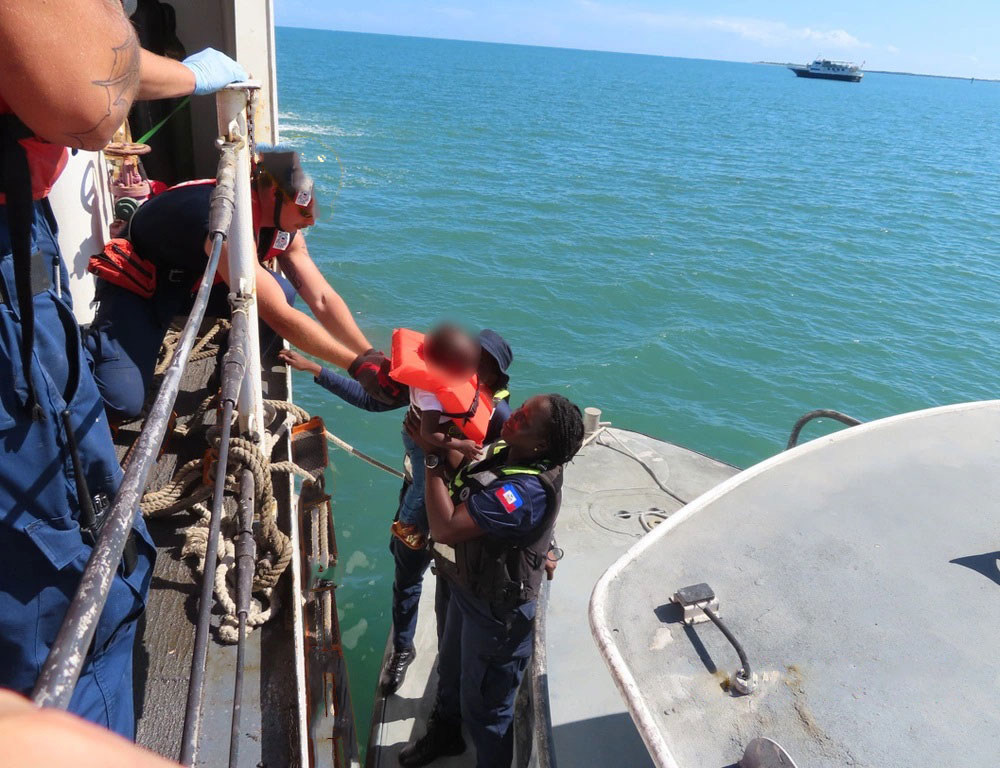
A child who was rescued at sea off a boat of migrants is handed back to the Haitian authorities by the US Coast Guard.
Prolonged instability also increases the likelihood of secondary crises, such as public health emergencies and cross-border crime, with ripple effects across the Caribbean and the Americas.
In this context, donor engagement is framed as investment in regional resilience.
What happens next?
In late 2025, the UN officially launched Haiti’s 2026 Humanitarian Response Plan, calling on governments and partners to step up commitments to preserve life and dignity amidst violence and deprivation.
If funding and access improve, aid agencies aim to expand food support, restore basic services, enhance protection for vulnerable groups, and create more resilient pathways to longer-term recovery.
But without stronger financial backing and security improvements, millions of Haitians face increasingly desperate conditions — and humanitarian needs are likely to deepen.
At the beginning of February, the 2026 appeal was less than four per cent funded.