Fast fashion fuelling global waste crisis, UN chief warns

Speaking at an event commemorating Sunday’s International Day of Zero Waste, Secretary-General António Guterres called for urgent action to curb the textile industry’s devastating impact on the planet.

Dressing to kill could kill the planet,” he stressed.

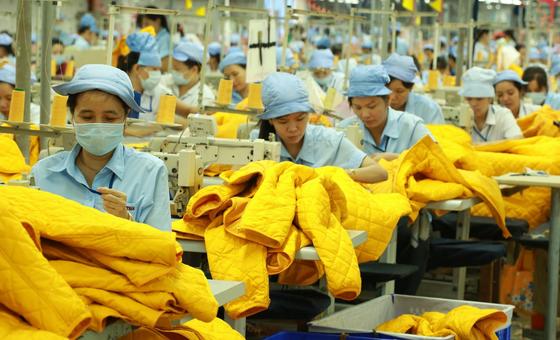
The fashion industry is one of the world’s most polluting sectors, responsible for up to eight per cent of global greenhouse gas emissions.

It consumes vast amounts of water – 215 trillion litres annually, equivalent to 86 million Olympic-sized swimming pools – and relies on thousands of chemicals, many of them harmful to human health and ecosystems.

Despite these staggering figures, clothing is being produced and discarded at an unprecedented rate, driven by business models that prioritise speed and disposability over sustainability.

A crisis woven into our clothes

Mr. Guterres cautioned that the waste crisis in fashion is only a symptom of a much larger global problem.

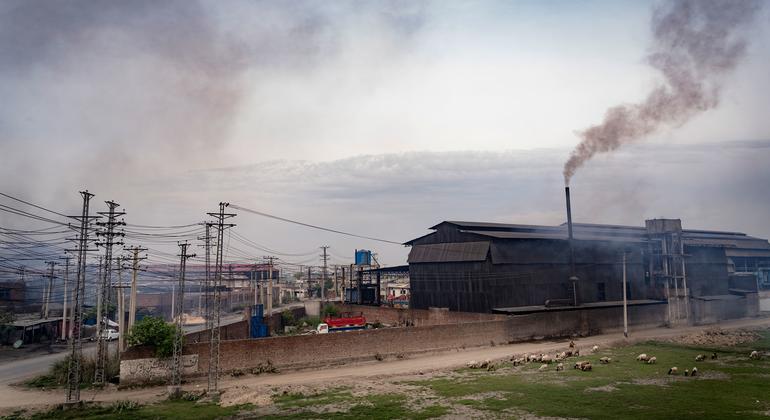
Humans globally generate more than two billion tonnes of waste each year – enough to wrap around the planet 25 times if packed into standard shipping containers – polluting land, air and water, disproportionately affecting the poorest communities.

The rich world is flooding the Global South with garbage, from obsolete computers to single-use plastics,” he said.

Many countries lack the infrastructure to process even a fraction of what is dumped on their shores, leading to increased pollution and hazardous working conditions for waste pickers.

This year’s focus: Fashion

Fashion is under the spotlight for this year’s international day, underscoring staggering resource consumption and pollution levels. It is an industry where trends change rapidly, garments are often discarded after being worn a handful of times.

Experts estimate that doubling the lifespan of clothing could reduce greenhouse gas emissions by 44 per cent.

However, it is also an industry with exciting opportunities to transform lives and livelihoods for the better.

“Designers are experimenting with recycled materials. Consumers are increasingly demanding sustainability. In many countries, resale markets are booming,” Mr. Guterres said, urging everyone to contribute to the fight against waste.

UNEP Video | Fast fashion is fuelling an ecological crisis

Shun greenwashing

Governments, he said, must enact policies and regulations that promote sustainability and zero-waste initiatives.

Businesses must move beyond “greenwashing” and take real steps to reduce waste, increase circularity, and improve resource efficiency across supply chains.

Consumers, in turn, can play a crucial role by making environmentally responsible choices – valuing durable products, reducing excessive consumption, and embracing resale markets.

There is no space for greenwashing,” he emphasised. “Businesses must increase circularity, waste reduction, and resource efficiency across their supply chains.”

Beyond the fashion industry, the broader fight against waste requires global coordination, he added.

More than a billion people live in slums or informal settlements without proper waste management, leading to severe health risks. Unregulated dumping and poor waste disposal practices are exacerbating pollution and biodiversity loss worldwide.

Let us commit to do our part to clean up our act, and build a healthier, more sustainable world for us all,” Mr. Guterres concluded.

Syria’s political transition at risk due to Israeli military action, Security Council hears

Syria’s opportunity to stabilise after 14 years of conflict must be supported and protected, for Syrians and for Israelis,” said Khaled Khiari, Assistant Secretary-General for Political and Peacebuilding Affairs.

“This is the only way regional peace and security can be realized.”

Transition under threat

Mr. Khiari and the head of UN Peace Operations, Jean-Pierre Lacroix, briefed ambassadors on recent Israeli violations of the 1974 Disengagement of Forces Agreement between the country and Syria.

The accord ended the Yom Kippur war and established an area of separation in the rocky plateau region known as the Golan, along the border between the two countries. 

It also authorised the UN Disengagement Observer Force (UNDOF) to supervise the agreement, and peacekeepers to monitor the buffer zone.

Mr. Khiari said that hundreds of reported Israeli airstrikes have taken place across Syria since the fall of the Assad regime on 8 December 2024, namely in the southwest, the Syrian coast, northeastern Syria, Damascus, Hama, and Homs.

The Israel Defense Forces (IDF) also publicly confirmed that it has built multiple positions in the elevated area of separation on the Golan, while Israeli officials have spoken of the country’s intentions to stay in Syria “for the foreseeable future,” he added.

Such facts on the ground are not easily reversed. They do threaten Syria’s fragile political transition,” he warned.

Multiple airstrikes reported

Most recently, Syria informed the council of reports of multiple Israeli airstrikes on 3 April, including in Damascus, the Hama Military Airport, and the T4 military airport in Homs. Simultaneous attacks in Daraa reportedly resulted in nine civilian casualties.

The Syrian interim authorities condemned the attacks, calling them a blatant violation of international law and Syrian sovereignty and an attempt to destabilize the country.  

“Let me also recall earlier indications by the Damascus authorities, as had been published in numerous media outlets, of not presenting threats to its neighbours and seeking peace on their borders,” said Mr. Khiari.

Meanwhile, Israel’s Defence Minister was quoted describing airstrikes as “a warning for the future”, and that Israel would “not allow Syria to become a threat” to its security interests.

Respect Syria’s sovereignty

In light of these developments, Mr. Khiari pointed to the council’s presidential statement dated 14 March which reaffirmed strong commitment to Syria’s sovereignty, independence, unity and territorial integrity.

It also called on all States to respect these principles and to refrain from any action or interference that may further destabilize the country.

This council’s commitment to Syria’s sovereignty and territorial integrity grows in importance by the day,” he said.

He further recalled that UN Special Envoy for Syria Geir Pedersen addressed Israeli military escalation in a statement on 3 April, saying such actions undermine efforts to build a new Syria.

Syria is at a crossroads and deserves a chance to continue to work towards an inclusive political transition, where the Syrian people can overcome the conflict, revive their economy, realize their legitimate aspirations, and contribute to regional stability,” Mr. Khiari said.

“Furthermore, short-term and tactical security actions and gains should not derail prospects for peace agreement between the two neighbours and long-term stability at their internationally recognized border.”

Volatile security situation

Mr. Lacroix briefed the council on developments in the UNDOF area of operations, where the situation remains volatile and characterized by violations of the 1974 Agreement.

The IDF currently occupies 12 positions that they established on the Bravo side, located east of the area of separation.  Ten are in the zone and the others are in the vicinity.

“They also continue to construct counter-mobility obstacles along the ceasefire line, and have flown, on several occasions, aircraft across the ceasefire line and helicopters into the area of separation,” he said.

The Israeli forces also continue to impose some restrictions of movement on UNDOF and the Observer Group Golan, comprised of military observers from the UN Truce Supervision Organization (UNTSO). Local residents have also had their movements curtailed, prompting protests.

Explosions and engagement

In recent weeks, UNDOF personnel have noted multiple explosions on the Bravo side, which they deem to be significant kinetic activity linked to the efforts of the IDF to, and I quote, ‘demilitarize the south of Syria,’” said Mr. Lacroix

In the meantime, UNDOF continues to liaise with both parties and engage on specific issues impacting its operations as well as complaints conveyed by residents in the separation zone.

“In their engagement with the UNDOF leadership, senior IDF officials have restated that their presence in the area of separation was necessary to secure it from what they describe as ‘terrorist elements’ and informed that Israel had no territorial ambitions in Syria,” he said.

“They have reiterated Israel’s expectation of the demilitarization of the area southwest of Damascus,” he added.

He reported that on the Bravo side, UNDOF is reinforcing its coordination mechanism through new liaison arrangements with Syrian authorities, which includes enhancing information sharing and regular consultative meetings. 

Uphold 1974 Agreement

“It remains critical that all parties uphold their obligations under the 1974 Disengagement of Forces Agreement, including by ending all unauthorized presence in the areas of separation and limitation, as well as refraining from any action that would undermine the ceasefire and stability on the Syrian Golan,” he said.

“There should be no military forces or activities in the area of separation, other than those of UNDOF. All actions that are inconsistent with the agreement are unacceptable.”

He said the Security Council’s continued support for the Force is “needed now more than ever in this difficult time.” 

47 million health workers and advocates call for cleaner air to curb pollution deaths

The Second WHO Global Conference on Air Pollution and Health co-hosted by the World Health Organization and Colombia, in the city of Cartagena, brought together over 700 participants from 100 countries – including heads of state, ministers, scientists, and civil society groups — to accelerate action to curb what’s increasingly described as a full-scale health emergency. 

“It is time to move from commitments to bold actions,” said Tedros Adhanom Ghebreyesus, WHO Director-General. 

“To achieve clean air, we need urgent actions on all fronts: financial investment in sustainable solutions, such as in clean energy and sustainable transport, technical enforcement of WHO global air quality guidelines, and social commitment to protect the most vulnerable in our most polluted regions.” 

The shared goal? A 50 per cent reduction in the health impacts of air pollution by 2040. 

Countries including Brazil, Spain, China, and the United Kingdom laid out national roadmaps, while the Clean Air Fund pledged an additional $90 million for climate and health programmes. 

Cities which are part of the C40 network, including London, vowed to strengthen air quality monitoring and push for greater investment in clean air strategies. 

A health crisis hidden in plain sight 

According to WHO, air pollution is responsible for seven million premature deaths annually and is now the second leading global risk factor for disease, after hypertension. 

“Today air pollution is the first risk factor for disease burden,” said Maria Neira, WHO’s Director of Environment, Climate Change and Health. “It’s the number one risk factor for getting sick.” 

The burden is heaviest in countries with fast-growing cities and weak regulatory frameworks. But Ms. Neira pointed out that the economic costs and health toll are rising globally. “Those chronic diseases are costing us well – to our health system and to our hospitals,” she said. 

Despite the grim statistics, WHO leaders say solutions are at hand. Ms. Neira cited China’s progress in cutting emissions while continuing to grow economically. “At one point they demonstrated that you can reduce air pollution while still maintaining economic growth,” she said. “This argument that in order to tackle the causes of climate change, air pollution and environmental health, you need to invest and you don’t obtain benefits immediately – that’s not correct.” 

Climate and health emergency 

Indeed, air pollution is not just a public health issue but a key driver and symptom of the climate crisis. The burning of fossil fuels which feeds air pollution also releases greenhouse gases – adding to global warming. 

“Climate change causes and air pollution causes overlap,” said Ms. Neira. “We have a lot to gain for health, for the economy, and for society, sustainable development, if we accelerate this transition.” 

She emphasized that clean air solutions – including renewable energy, better urban design, and phasing out fossil fuels – also serve as climate mitigation strategies. 

“This pollution, this particulate matter we are breathing every day…is coming from different sources, but fundamentally from the combustion of fossil fuels,” she said. “This can be avoided only by accelerating the transition to more renewables; cleaner sources of energy.” 

Examples from Colombia and Europe 

Hosts Colombia presented a slate of national initiatives, including cleaner fuels, zero-emission public transit, and a target to reduce carbon emissions 40 per cent by 2030. 

Air pollution claims more victims than violence itself. Poisoning our air costs lives in silence – this conference reinforces our determination to implement policies for both the environment and the health of our people,” said Colombia’s President Gustavo Petro. 

He stressed the importance of smarter regulation and bridging the inequality gap with indigenous peoples, local and rural communities. 

In Europe, where air pollution still causes 300,000 premature deaths annually, lawmakers are moving toward stricter regulation. “Pollution is an invisible pandemic. It is a slow-motion pandemic,” underscored Javier López, Vice President of the European Parliament’s Environment Committee. 

The European Union recently adopted a new Air Quality Directive, halving legal air pollution thresholds and aiming to reduce pollution-related deaths by 30 per cent by 2030. “We have decided to come up with the air quality directive, which is part of the European Green Package,” Mr. López said. 

Regional model, global lessons 

Officials from the United Nations Economic Commission for Europe (UNECE) also took part in Cartagena, highlighting the Convention on Long-range Transboundary Air Pollution as one of the most successful multilateral environmental agreements to date. 

“The Air Convention…is a multilateral environmental agreement that was adopted in 1979 to address air pollution that crosses national borders,” said policy officer Carolin Sanz Noriega.  

Since its adoption, the convention has expanded to 51 parties and achieved deep emissions cuts across the region. “Reducing emissions of sulfur dioxide, nitrogen oxides by 40 to 80% from 1990 levels in the UNECE region, and for more than 30% for particulate matter,” Ms. Sanz Noriega said. 

She emphasized that the agreement’s success lies in its binding commitments, robust science, and long-standing trust-building mechanisms. “Countries implement the convention because it really brings benefits. It brings health benefits, environmental benefits, crop benefits. It has co-benefits for climate.” 

Through the Forum for International Cooperation on Air Pollution, UNECE is now working with countries in Latin America, Africa, and Asia to share scientific tools and regulatory approaches. 

But a major challenge, especially in the Global South, remains technical capacity.  

“We need to make sure that the countries are able to monitor air quality. That’s the first step,” Ms. Neira said. “In Africa, unfortunately, we are still missing a lot of monitoring capacity…You cannot manage what you cannot measure.” 

© UNICEF/Kongchan Phiennachit

Prescribing clean air 

The health sector provided one of the key takeaways of the conference. With millions of medical professionals and individuals already backing the WHO campaign, delegates emphasized that clean air must be recognized as central to disease prevention.  

“We have 47 million signatures from health professionals, from patients, from advocates, from institutions, saying ‘I want to prescribe clean air’,” Ms. Neira said.  

“I don’t want to treat the patients with diseases caused by exposure to toxic air. I want to make sure that my patients will not be exposed and therefore they will not develop those diseases.” 

As the conference wrapped up, delegates left Cartagena emboldened with new partnerships, data, and policy options – but also a resounding moral imperative. 

“The time to generate evidence [on air pollution] has passed,” underscored Ms. Neira. “We have a lot of it. No one can say anymore that they didn’t know.” 

World News in Brief: Cholera surges worldwide, DR Congo update, WHO leads global health emergency exercise

The UN health agency registered almost 810,000 cases and 5,900 deaths from the preventable disease in 2024; that’s about 50 per cent higher than the previous year, according to Dr Philippe Barboza, who leads WHO’s cholera team.

He said the latest reported cases are almost certainly underestimates and that the disease continues to affect countries that were previously cholera-free.

Funding cuts

Recent cuts to international aid funding are also hindering the response, Dr Barboza said, giving the example of how in the previous two years, a donation of $6 million would have allowed WHO to fully control any outbreak occurring in either Malawi or Zambia.

“But this amount of money is not available. So, this is a very major concern…outbreaks are getting worse and worse, deadlier and deadlier, but the funds are getting smaller and smaller.”

WHO data indicates that for the first time in 10 years, Namibia reported infections this year, while Kenya, Malawi, Zambia and Zimbabwe are also experiencing a resurgence.

Angola has also reported nearly 10,000 cholera infections so far during 2025 and 380 people have died from the disease up to the end of March.

Its capital city Luanda has been badly affected. In the past 28 days, the country reported almost 3,500 cases – making up 56 per cent of all the cases across Africa.

Conflict, mass displacement, natural disasters and climate change have intensified outbreaks, particularly in rural and flood-affected areas, with poor infrastructure and limited access to healthcare.  

But it’s not all doom and gloom. In September, production of cholera vaccines reached record levels, with the highest number of doses since 2013.

“We also need to increase funding to support the response effort,” Dr. Barboza said. 

Situation remains critical in Eastern DR Congo, say peacekeepers

The UN peacekeeping mission in the Democratic Republic of the Congo, MONUSCO, continues to implement its mandates amidst a still critical security situation in the restive east, said UN Spokesperson Stéphane Dujarric on Friday.

While reciprocal attacks between the CODECO and Zaire militias are continuing to target civilians in Ituri, MONUSCO continues to “push for an effective process of local political dialogue and to negotiate the safe release of abducted civilians,” including children.

Regarding the situation in the regional capital Goma which was overrun by Rwanda-backed M23 rebels in January, Mr. Dujarric said that “non-essential international staff for the UN are returning to Goma,” although “the protection situation under the M23 occupation remains challenging”.

Mass displacements

On the humanitarian end, renewed hostilities in North Kivu between armed groups in Rutshuru have “triggered the displacement of some 7,500 people,” said Mr. Dujarric.

Local partners have also reported a raid on Mukongola General Referral Hospital by armed elements in the South Kivu province. “They vandalized the maternity ward, the pharmaceutical supplies and injured at least one individual,” he added.

While Mr. Dujarric said that “humanitarian partners [were] working tirelessly to scale up assistance despite the insecurity and the constraints,” UN colleagues on the ground have reported that “ongoing military operations continue to impede humanitarian access.”

“We reiterate our call for immediate, safe and sustained access to all areas,” the UN Spokesperson concluded.

Pandemic control exercise puts WHO emergency system to the test

The World Health Organization (WHO has successfully concluded a two-day exercise simulating the outbreak of a fictional virus spreading across the world – and what it will take to contain it.

Convened by more than 15 countries, 20 regional health agencies, health emergency networks and other partners, “Exercise Polaris” was designed to test a new global coordination mechanism for health emergencies, under the umbrella of the WHO’s Global Health Emergency Corps (GHEC).

“This exercise proves that when countries lead and partners connect, the world is better prepared,” said WHO chief Tedros Adhanom Ghebreyesus.

Coordination and collaboration

GHEC’s structure, which emphasises the importance of coordinating the deployment of surge teams and experts – and of enhancing collaboration between countries – “shows that global cooperation is not only possible, it is essential,” said Tedros. “No country can face the next pandemic alone.”

Throughout the simulation, while countries were leading their own response efforts, WHO provided technical guidance and emergency support.

“The Global Health Emergency Corps has evolved into a powerful platform, building on practice, trust and connection,” said Dr Mike Ryan, Executive Director of WHO’s Health Emergencies Programme. “Exercise Polaris showed what is possible when countries operate with urgency and unity supported by well-connected partners.”

UN refugee agency calls for greater investment in Syrian returnees

The estimates are from the UN refugee agency, UNHCR, which on Friday called for increased funding to support Syrian returnees as needs intensify at a time when aid budgets globally are being slashed.

“Since the fall of the Assad regime, returning home and starting anew has become a possibility for Syrians,” said UNHCR spokesperson Céline Schmitt, speaking from Damascus to journalists in Geneva.

With investment in aid and early recovery, we can create opportunities and keep up the hope of Syrians,” she insisted. 

‘Window of opportunity’

Ms. Schmitt said that “as the school year ends, summer will be a critical moment for voluntary returns and a window of opportunity that should not be missed.”

Syrians will need support in the areas of shelter, livelihoods, protection and legal assistance, for returns to be successful and sustainable.  

“The risk is that, without adequate funding, the projected 1.5 million returns this year may not happen, and those who do return may have no other choice but to leave again,” she warned.

Invest in returns

Therefore, support for UNHCR and other humanitarian actors is crucial for stability, she said, in the face of severe funding cuts which are putting millions of lives at risk.

Currently, nearly 16.7 million people inside Syria – about 90 per cent of the population – require some form of humanitarian assistance. Over 7.4 million Syrians are still displaced within the country.

Now is the time to invest in facilitating the return of refugees who have been waiting years for this moment,” she said.

Aid cuts threaten operations

In January, UNHCR launched an operational framework to help 1.5 million refugees and two million IDPs return home this year. Although $575 million is required, only $71 million has been pledged to date.

Ms. Schmitt noted that this is happening amidst a significant reduction in donor funding between 2024 and 2025.

These cuts are impacting our workforce, which will shrink by 30 per cent inside Syria, significantly affecting our ability to provide critical support,” she said.

Additionally, lack of proper funding could force UNHCR to pause some of its life-saving activities. The agency supports 122 community centres and 44 per cent will have to close by the summer. 

The centres provide critical aid such as mental health support, legal assistance, prevention of gender-based violence and mine awareness education. 

“They also foster social cohesion, and their closure will impact returnees and their communities as well as UNHCR’s local partners,” she added.

Appeal to donors

Ms. Schmitt said that despite these difficult and unprecedented times, UNHCR is committed to staying and delivering in Syria, urging donors to “make an extra effort in spite of the global economic challenges.”

She also appealed “to wealthy countries who have not been contributing” to support effort to ensure the safe and dignified return of Syrian refugees, stressing that “it is crucial not to miss this historic opportunity.”

Online support 

UNHCR has launched a digital platform called  Syria is Home to provide timely and impartial information on the return process including legal steps, identification documents, access to housing, health care, education and more. 

Under Frequently asked questions (FAQs), Syrians can get guidance on renewing identity documents, support to repair destroyed or damaged homes and accessing legal aid and counselling support.

The platform, which is continuously updated, aims to provide credible and up-to-date information to help people make informed decisions, plan for their future and remain hopeful.  

UN teams ramp up response to deadly quake in Myanmar and Thailand

The Emergency Relief Coordinator tweeted that UN teams are being “supported by expertise across our global network”.

News reports quoting sources in the Burmese city of Mandalay, close to the epicentre of the quake, indicate that hundreds have died. In neighbouring Thailand more than 80 construction workers are missing, according to the Thai deputy prime minister, with a search and rescue operation underway.

UN chief António Guterres sent condolences to all those in the region impacted and underlined that the UN system is mobilising as fast as possible in support. 

Mr. Fletcher, who heads aid coordination office, OCHA, made an intial allocation from the Central Emergency Response Fund of $5 million to support life-saving assistance.

‘Significant damage’

The UN Resident Coordinator’s Office in Myanmar told UN News in a statement that reports indicate “significant damage” has occurred in Mandalay state, as well as Nay Pyi Taw, Bago, Magway, Sagaing, Shan “and possibly other areas”.

Our thoughts are with everyone impacted by this event…We are gathering information about the people impacted, infrastructure damage, and immediate humanitarian needs to guide a response and will share more updates as information becomes available.”

Sheela Matthew of the UN World Food Programme (WFP) said the quake had hit Myanmar “at the worst possible time. With one in four in the country already facing acute food insecurity, Myanmar just can’t afford another disaster.”

She said WFP has stocks of ready-to-eat food available in warehouses “and we are ready to respond as needed.”

Speaking from Myanmar’s largest city of Yangon, Marie Manrique, Programme Coordinator for the Myanmar country team of the International Federation of Red Cross and Red Crescent Societies (IFRC), told journalists at the UN in Geneva that the quake had also been felt in China, Thailand, and India.

She said that beyond damage to buildings and infrastructure, there was concern over potential dam bursts. Electricity and communications have been cut off in parts of the country.

She said the Myanmar Red Cross Society had launched an emergency operation to help people in need and assess the situation.

Myanmar has been in the grip of an increasingly brutal civil war since a military coup more than four years ago. Around 20 million people – a third of the population are expected to need humanitarian assistance this year. Around 15 million are projected to face acute food insecurity during 2025.

Fighting between junta forces and opposition armed groups has displaced more than 3.5 million people within the country.

People gather in front of collapsed buildings in the Mandalay region of central Myanmar, following the 7.7 magnitude earthquake.

Aid operation underway

Speaking for the World Health Organization (WHO) in Geneva, Dr. Margaret Harris said relief efforts were underway in coordination with country offices in Myanmar and Thailand.

She said the agency had activated its logistics hub in Dubai to primarily provide trauma supplies and a health needs assessment is underway.

Babar Baloch, for the UN refugee agency, UNHCR, said that the central and northwest parts of Myanmar had the highest number of internally displaced people (IDPs) due to the conflict.

Some 1.6 million IDPs out of the total 3.5 million live in these areas and the catastrophe will only exacerbate hardships, he told journalists.

More to come on this developing story…

Aid cuts threaten to roll back progress in ending maternal mortality

Furthermore, unprecedented aid cuts are putting global progress to end maternal deaths at risk, UN agencies have warned in a new report that calls for greater investment in midwives and other health workers.

The Trends in maternal mortality report was published by the UN Children’s Fund (UNICEF), the World Health Organization (WHO) and UN sexual and reproductive health agency UNFPA, in observance of World Health Day on 7 April.

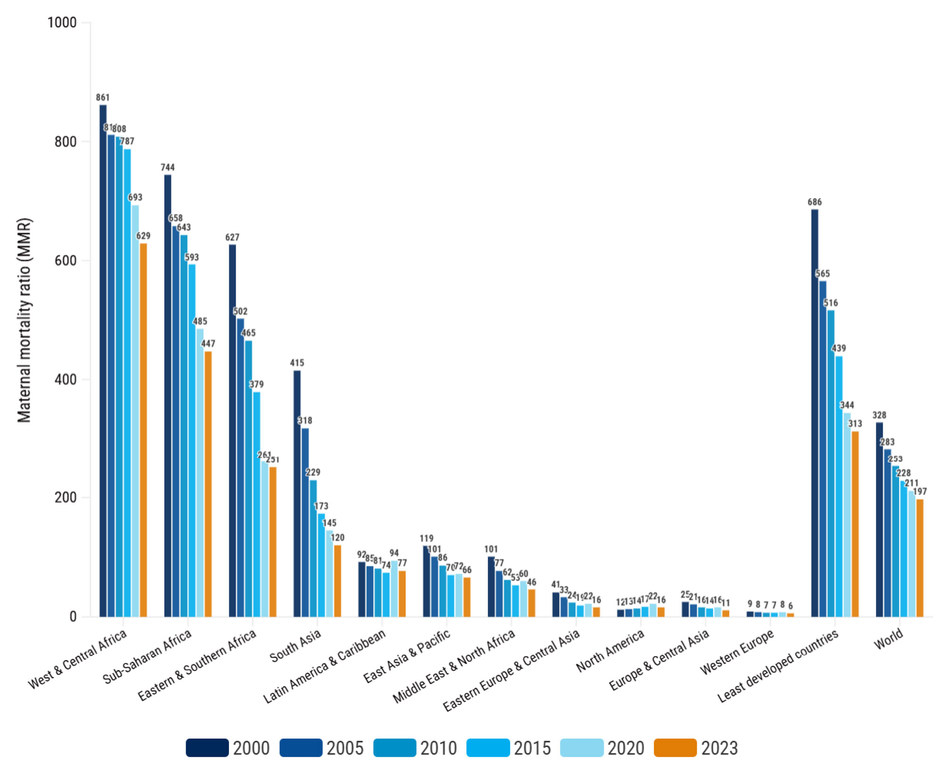
It shows that maternal deaths declined by 40 per cent between 2000 and 2023, largely due to improved access to essential health services.

However, the pace of improvement has slowed significantly since 2016, and an estimated 260,000 women died in 2023 due to complications during pregnancy and childbirth, or roughly one death every two minutes.

Deadly peril in Sudan

Frontline health workers have long raised alarms about the perils of giving birth in conflict settings.

In Sudan’s Al Jazirah State, a midwife named Awatef told UNFPA that she helped four women deliver babies while fleeing violence: “I delivered them in the bush, with only very basic sterilization – I had nothing but water and soap.”

One woman, Amina, had to give birth by Caesarean section – on the floor of a stranger’s home where a local doctor was assisting deliveries – while listening to the drum of gunfire just outside. “I had to start walking again just six hours later, carrying my baby while my wounds were still fresh and painful,” she said.

Urgent action needed

As aid funding cuts force countries to roll back vital services for maternal, newborn and child health, the UN agencies appeal for urgent action to prevent maternal deaths, particularly in humanitarian settings where numbers are already alarmingly high.

“While this report shows glimmers of hope, the data also highlights how dangerous pregnancy still is in much of the world today – despite the fact that solutions exist to prevent and treat the complications that cause the vast majority of maternal deaths,” said WHO Director-General Tedros Adhanom Ghebreyesus.

“In addition to ensuring access to quality maternity care, it will be critical to strengthen the underlying health and reproductive rights of women and girls – factors that underpin their prospects of healthy outcomes during pregnancy and beyond.”

Pregnancy and the pandemic

The report also provides the first global account of the COVID-19 pandemic’s impact on maternal survival.

An estimated 40,000 more women died due to pregnancy or childbirth in 2021, rising to 282,000 in 2022, and to 322,000 the following year.

This increase was linked not only to direct complications caused by COVID-19 but also widespread interruptions to maternity services, highlighting the importance of ensuring that this care is available during pandemics and other emergencies.

Invest in midwives

“When a mother dies in pregnancy or childbirth, her baby’s life is also at risk. Too often, both are lost to causes we know how to prevent,” said UNICEF Executive Director Catherine Russell.

With global funding cuts putting more mums-to-be at risk, especially in the most fragile settings, “the world must urgently invest in midwives, nurses, and community health workers to ensure every mother and baby has a chance to survive and thrive,” she added.

Inequalities and slowdowns

The report also highlights persistent inequalities between regions and countries, as well as uneven progress.

With maternal mortality declining by around 40 per cent between 2000 and 2023, sub-Saharan Africa achieved significant gains. It was also among just three UN regions to see significant drops after 2015, with the others being Australia and New Zealand, and Central and Southern Asia.

Yet, sub-Saharan Africa still accounted for approximately 70 per cent of the global burden of maternal deaths in 2023 due to high rates of poverty and multiple conflicts.

Meanwhile, five regions saw progress stagnate after 2015: Northern Africa and Western Asia, Eastern and South-Eastern Asia, Oceania (excluding Australia and New Zealand), Europe and North America, and Latin America and the Caribbean.

A midwife visiting pregnant women in a shelter for internally displaced persons in Sudan.

A global responsibility

Dr. Natalia Kanem, UNFPA’s Executive Director, upheld that access to quality maternal health services is a right, not a privilege.

She stressed the urgent responsibility to build well-resourced health systems that safeguard the lives of pregnant women and newborns.

“By boosting supply chains, the midwifery workforce, and the disaggregated data needed to pinpoint those most at risk, we can and must end the tragedy of preventable maternal deaths and their enormous toll on families and societies,” she said.

Childbirth in crisis settings

The report also highlighted the plight of pregnant women living in humanitarian emergencies, who face some of the highest risks globally.  Nearly two-thirds of global maternal deaths now occur in countries affected by fragility or conflict.

Beyond ensuring critical services during pregnancy, childbirth and the postnatal period, the report emphasized the importance of efforts to enhance women’s overall health by improving access to family planning services, as well as preventing underlying health conditions that increase risks, such as anaemia, malaria and noncommunicable diseases.

Furthermore, it is also vital to ensure that girls stay in school, and that they and women have the knowledge and resources to protect their health.

Source: WHO/UNICEF/UNFPA/World Bank/UN Population Division

Maternal mortality ratio (MMR) trends by region.

Gaza: UN rights office condemns Israeli buffer zone plan

Hostilities in the Gaza Strip resumed mid-March following the collapse of the ceasefire and Israel’s border closure.

As it enters its sixth week, the denial of aid into the enclave has left more than 2.1 million Gazans trapped without access to food, drinking water, and basic services.

Israel in recent weeks has ramped up its attacks on civilian infrastructure such as  residential buildings and camps, leaving many more dead or missing under the rubble.  

Between March 18 and April 9, Israeli forces have struck housing and tents for internally displaced people (IDPs) on 224 occasions during 36 separate strikes, according to the UN rights office, OHCHR

Vast new exclusion zones

Earlier on Friday, Israeli authorities issued two new displacement orders “covering vast areas in northern and southern Gaza,” UN Spokesperson Stéphane Dujarric said at the regular noon briefing in New York.

“Together, these areas span more than 24 square kilometres – roughly the size of everything south of Central Park here in Manhattan.”

Some medical facilities and storage sites containing critical supplies are located within the newly designated zones, prompting aid coordination office OCHA to warn that this could have life-threatening consequences for people in urgent need of care.

“This leaves Palestinians with less than a third of Gaza’s area to live in – and that remaining space is fragmented, it’s unsafe and it’s barely livable following 18 months of hostilities.”

‘Forcible transfer’

OHCHR spokesperson Ravina Shamdasani also highlighted the growing trend in attacks against media workers, reporting that at least 209 journalists have been killed in Gaza since the deadly Hamas-led terror attacks of October 2023, as Israel continues to deny international media entry into the Strip.

The OHCHR spokesperson acknowledged that the temporary evacuation of civilians in certain areas can be legal, under strict conditions.

But “the nature and scope of the evacuation orders raises serious concerns that Israel intends permanently to remove the civilian population from these areas in order to create a so-called buffer zone”, she said.  

Permanently displacing the civilian population within occupied territory amounts to forcible transfer, which is a grave breach of the Fourth Geneva Convention and a crime against humanity.”

War crimes

Combatants need to demonstrate compliance with the rules of war, particularly the principles of distinction – meaning defenceless civilians should not be targeted – as well as proportionality and precaution.

Intentionally directing attacks against civilians not taking a direct part in hostilities constitutes a war crime, further compounding the desperate conditions for Palestinian civilians,” Ms. Shamdasani said.

OHCHR has also repeatedly warned that collective punishment and the use of starvation of the civilian population as a method of war, constitute crimes under international law.

Ms. Shamdasani also stressed that her office was “seriously concerned that Israel appears to be inflicting on Palestinians in Gaza, conditions of life increasingly incompatible with their continued existence as a group”.

Women wait to receive food at a distribution point in Gaza City.

Supplies pile up

With stocks of drugs sharply declining, medicines and other essential supplies have been piling up at the shuttered border crossings.  

Almost 36 million tons of supplies in Dubai are on standby for entry into the enclave, according to Dr. Rik Peeperkorn, World Health Organization Representative (WHO) for the West Bank and Gaza.

Medical evacuations for patients in need of urgent treatment have slowed significantly. Likewise, the number of international emergency medical teams deployed has dropped, depriving hospitals of the help they crucially need, “because the caseload is immense”, Dr. Peeperkorn stressed.

“We urgently call for the immediate resumption of medical evacuation through all possible routes, particularly restoring the medical referral pathway to the West Bank and Jerusalem.”

Extreme weather impacts cascading ‘from the Andes to the Amazon’

The study also highlights positive developments amid the bleak news, such as the growing role of renewable energy in the region and the power of early warning systems to save lives.

“In 2024, weather and climate impacts cascaded from the Andes to the Amazon, from crowded cities to coastal communities, causing major economic and environmental disruptions,” said WMO Secretary-General Celeste Saulo.

“Drought and extreme heat fuelled devastating wildfires. Exceptional rainfall triggered unprecedented flooding, and we saw the earliest Category 5 hurricane on record,” she added.

Feeling the heat

The State of the Climate for Latin America and the Caribbean report reveals that 2024 was the warmest or second warmest year on record, depending on the dataset used.

Rising temperatures led to the disappearance of the Humboldt Glacier, the last one standing in Venezuela, which became the second country in the world after Slovenia to lose all its glaciers in the modern era.

Meanwhile, El Niño conditions in the first half of the year influenced rain patterns. For example, areas across the Amazonia and Pantanal regions in Brazil experienced widespread drought, where rainfall was 30 to 40 per cent below normal. 

Wildfires and floods

Wildfires in the Amazon and Pantanal, as well as in central Chile, Mexico and Belize, were driven by drought and extreme heatwaves, breaking records in many countries. Wildfires in Chile resulted in over 130 deaths – the country’s worst disaster since the February 2010 earthquake.

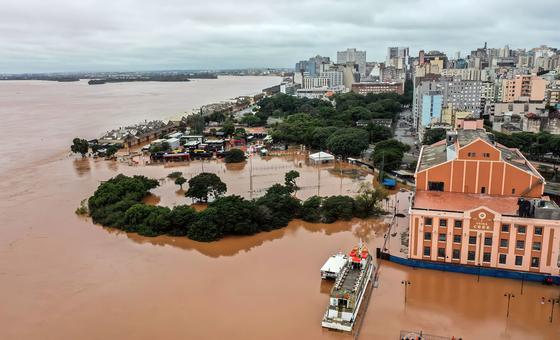
Floods triggered by heavy rainfall in the southern state of Rio Grande do Sul became Brazil’s worst climate related disaster, causing billions in economic losses to the agricultural sector. 

While timely warnings and evacuations helped mitigate the impacts of the flooding, WMO said more than 180 fatalities were reported, thus highlighting the need to improve understanding around disaster risks among both authorities and the general public.

Hope and resilience

But there is also hope,” Ms. Saulo insisted, pointing to bright spots in the report. 

“Early warnings and climate services from National Meteorological and Hydrological Services (NMHSs) are saving lives and increasing resilience throughout Latin America and the Caribbean,” she said.

Moreover, renewable energy accounts for nearly 69 per cent of the energy mix. Solar and wind energy experienced a remarkable 30 per cent increase in capacity and generation compared to 2023, WMO said.

The UN weather agency and partners are also assisting national meteorological and hydrological services to support renewable energy development and integration through artificial intelligence-based wind forecasting, and other measures.

The State of the Climate for Latin America and the Caribbean report was issued at a WMO Regional Association meeting hosted by El Salvador to inform decisions on climate change mitigation, adaptation and risk management at the regional level.

It complements the State of the Global Climate flagship report, released last week. 

One preventable death every 7 seconds during pregnancy or childbirth

Close to 300,000 women continue to die during pregnancy or childbirth each year. More than two million babies die in their first month of life and around two million more are stillborn, says the World Health Organization (WHO) which is kicking off a year-long campaign on maternal and newborn health.

The data adds up to one preventable death every seven seconds, according to the UN health agency.

The Healthy beginnings, hopeful futures campaign is asking governments and health policy makers to ramp up efforts to end preventable maternal and newborn deaths, and prioritize women’s longer-term health and well-being.

Helping every woman and baby survive and thrive

Through a series of strategic actions, WHO aims to not only save lives but ensure both mothers and infants thrive. In collaboration with partners, it will focus on empowering healthcare professionals and sharing crucial information about healthy pregnancies, safe childbirth, and postnatal care.

Listening to women

Access to high-quality, compassionate care is essential for women and families everywhere, WHO emphasises. Health systems must evolve to address a wide range of health concerns, including obstetric complications, mental health issues, non-communicable diseases, and family planning – ensuring that women’s needs are met both before, during, and after childbirth.

Girls affected by the ongoing conflict in Gaza receive a care and protection package distributed by UNICEF.

Women in war zones

At the same time, the proportion of women and girls caught in conflict zones has skyrocketed in the past year, with women now making up 40 per cent of all civilian deaths in armed conflicts.

Today, over 600 million women and girls live in areas affected by violence – an alarming 50 per cent increase since 2017.

As conflict intensifies across the globe, women and girls are bearing a heavy mental health toll. From Afghanistan and Gaza to Georgia and Ukraine, millions are grappling with Post Traumatic Stress Disorder (PTSD), anxiety, depression and trauma, with limited access to support and care.

Around one in five people affected by a humanitarian crisis will develop long-term mental health conditions. Despite this, only two per cent of those in need receive the care they require. Mental health funding globally represents between one and two percent of health spending.

Stark divide on mental health

The gap between high and low-income countries in mental health services is stark. In wealthy nations, there are more than 70 mental health workers for every 100,000 people. In contrast, in low-income countries, that number drops to fewer than one.

As conflicts drag on, the number of affected women continues to rise, making this crisis even more urgent. UN gender equality agency, UN Women, spoke to women in Afghanistan, Gaza, Georgia, and Ukraine to understand how these conflicts are stoking a mental health crisis.

UNFPA’s mobile psychosocial support teams travel across Ukraine, including to the front lines, offering immediate emergency interventions as well as access to longer-term assistance.

Women in Gaza trapped in trauma

In Gaza, relentless bombing, displacement, and deprivation have created a humanitarian catastrophe. Living under siege and the constant threat of violence, women and girls face extreme levels of fear, trauma, and exhaustion. 

Data from UN Women shows that 75 per cent feel regular depression, 62 per cent cannot sleep, and 65 per cent suffer from nightmares and anxiety – most are left to cope alone.

“My mental and psychological health is suffering,” said one 27-year-old pregnant mother of three from Khan Younis. “Sometimes I go to the toilet just to cry and cry until I feel better.”

Women are not only dealing with their own trauma – they are also trying to care for their children.

“I have not prioritized my health because I am the primary caregiver for my children, assuming the roles of both father and mother,” the 27-year-old mother added. 

Afghanistan: Women Erased from Public Life

In Afghanistan, the return of the Taliban has dealt a crushing blow to women’s rights and mental health. Alison Davidian, UN Women’s Country Representative, warns that nearly four years of Taliban decrees have “eviscerated” women’s autonomy.

With no women in leadership roles and 98 per cent reporting no influence over local decisions, many feel trapped in a life of isolation and despair.

“Three years ago, an Afghan woman could run for president. Now, she may not even be able to decide when to buy groceries,” Davidian says. The result is overwhelming psychological distress, with 68 per cent of women in Afghanistan reporting their mental health as “bad” or “very bad.”

An IOM mental health and psychosocial support counsellor leads a session with women in Paktika province, Afghanistan.

Georgia: Antidepressant use on the rise

In Georgia, ongoing displacement and conflict have left many women with no access to adequate mental healthcare. Approximately 200,000 people remain internally displaced, with nearly 40 per cent living in shelters under dire conditions.

Mental health issues are widespread, with 23 per cent suffering from PTSD, 10 per cent reporting depression, and 9 per cent dealing with anxiety. Yet only about a third of those affected have sought care.

“We saw a sharp increase in antidepressant use, particularly in areas with high numbers of displaced people,” said Elene Rusetskaia of the Women’s Information Centre. “The mental health problem is very serious, especially among children.”

Ukraine: Domestic Violence and Depression Soar Amid War

In Ukraine, the war stemming from Russia’s invasion has pushed women’s mental health into crisis. Gender-based violence has surged 36 per cent since 2022, and women are shouldering more unpaid care work – up to 56 hours per week. Forty-two percent are now at risk of depression, while 23 per cent report needing counseling.

Displaced women, many of them refugees, are facing some of the worst mental health challenges, with limited access to support services.

A recent survey by the International Migration Organization (IOM) found that 53 per cent of internally displaced people in Ukraine suffer from depression, yet assistance remains scarce.

In response, UN Women has provided protection, legal aid, and psychosocial support to more than 180,000 women and girls in Ukraine through the Women’s Peace and Humanitarian Fund.

Healthcare funding

The current humanitarian funding crisis, exacerbated by declining health spending in host countries, is affecting the scope and quality of public health and nutrition programmes for refugees and host communities, the UN refugee agency, UNHCRhas said.

In Jordan, 335,000 women of reproductive age are at risk of losing essential maternal health. Without enough funding, prenatal care, safe delivery and newborn health services will disappear.

In Bangladesh, around a million Rohingya refugees face a severe health crisis due to the funding freeze, threatening access to essential medical services. In UNHCR-supported programmes, over 40,000 pregnant women may lose access to critical antenatal care, with 5,000 at risk of delivering in unsafe conditions.

In Burundi, the suspension of nutrition programmes in several camps means that thousands of refugee children under five may not receive adequate treatment for malnutrition.

Necessity, not luxury

For women and girls in conflict zones, mental health care is a critical need, not a luxury. Recovery, dignity, and survival depend on access to trauma care, counseling, and community-based services.

As conflicts continue to devastate communities, the need for mental health support becomes more urgent than ever. Countries must invest in mental health as a core part of humanitarian response, especially in conflict settings, UN Women, emphasized, calling on governments to listen – and act.

Listen to an interview with the Representative ad interim of the UN reproductive health agency, UNFPA, in Sudan: 

Resilience in the face of thirst: Trucking water in war-ravaged Gaza

Every day, he drives his water truck through the Strip, filling up empty tanks and vessels.

Our camera accompanied Alloush on a recent arduous mission to provide a little water to the residents of Jabalia. UN News’ correspondent met Alloush in Jabalia’s desalination plant, where he spends hours waiting for water.

Like everywhere else in Gaza, the desalination plant is overcrowded. As Gaza is running out of fuel, Alloush explained that 35 to 40 liters of diesel is needed every hour for the plant just to operate.

Hours spent waiting

At the plant, Ibrahim has to be patient: “We come to the desalination plant and wait about five hours for our turn to fill up. Water prices are very high due to production costs. People here in Gaza cannot afford water unless it is distributed by organizations, institutions, or initiatives.

“The cost of one cubic metre is very high because of how expensive diesel is, which is needed to operate the generators. One cubic metre of water can cost between 90 to 100 shekels, this is about 20 Jordanian dinars.”

Gaza residents lining up near the water truck to fill their jugs.

After completing his task, Ibrahim Alloush gets into his old truck, starts its engine, and sets off on a challenging journey through the devastated neighborhoods of Jabalia.

For Alloush, the struggle does not stop at the water plant. Driving through Gaza is not easy, navigating destroyed streets and surrounded by rubble, Alloush needs to reach the people waiting for him – waiting for water.

There are always people waiting for him. It is almost impossible for trucks to reach certain areas, if it were not for Mr. Alloush, these areas would basically be lacking any supply.

No life without water

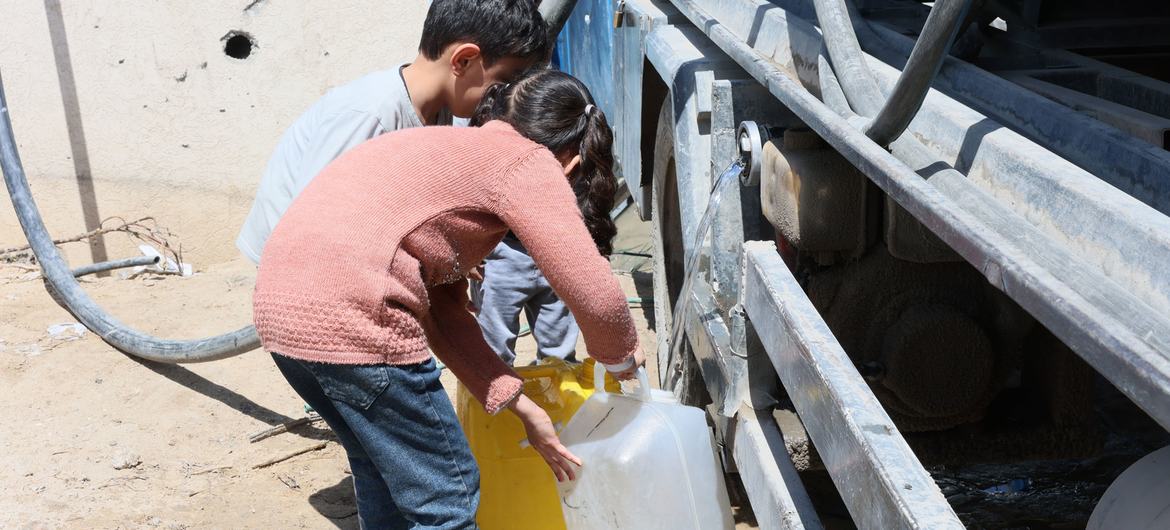
‘We are suffering from a major water crisis,” says Ayman Kamal, a Gaza Strip resident. While some can wait half a day to fill up five or ten gallons of water only, others may not even be able to get water, as they were too far behind in line.

“Without water, there is no life…We wait for potable water that comes from distant areas, and people crowd to get their share,” says another resident, Fathi al-Kahlout, as he fills his bucket.

“The blockade has caused us many problems. We hope that the world will look at us, even for one day, as it looks at other countries. Everyone in other countries lives in comfort. Why are we condemned to this fate?” asked Sameer Badr, explaining that his children spend their days going back and forth in search of water.

Two kids getting water from a truck.

Worsening water crisis

The continued closure of border crossings and the ban on fuel entry is paralysing desalination plants, the closure of the main water pipelines has also led to a sharp decrease in the amount of drinking water available to residents in Gaza. The water crisis is worsening, warns Children’s Fund UNICEF.

After the collapse of the ceasefire, the repair work that had been started on vital wells and water points came to a total halt, leaving many water sources either out of service or at risk of further damage.

According to UNICEF about one million people – including 400,000 children – are currently receiving a daily six-litre ration per person, a stark decrease from the previous average of 16 litres.

If fuel runs out, UNICEF warned that this amount could drop to less than four litres per day in the coming weeks, forcing families to rely on unsafe sources, significantly increasing the risk of disease outbreaks, especially among children.

Myanmar quake: More than 1,600 reported killed, as UN aid operation supports rescue efforts

The earthquakes of 7.7 and 6.4 magnitude struck Myanmar in the centre of the country northwest of Sagaing. The UN aid coordination office, OCHA, reported on Saturday that hospitals in the area are overwhelmed with extensive damage to health infrastructure.

The areas affected are Bago, Magway, Mandalay, Nay Pyi Taw, Northeastern Shan and Sagaing.

Internet communications are down in the main city of Mandalay, with land and air routes heavily disrupted.

Health partners are preparing to deploy mobile surgical and medical teams, as well as field hospitals to the affected areas, to deliver life and limb-saving medical interventions to earthquake victims.

News reports indicate that hundreds of people are trapped under rubble in multiple collapsed buildings, including at least 50 construction workers in the Thai capital Bangkok who are so far unaccounted for.

More than 90 people are reportedly trapped in the rubble of one apartment block in Mandalay.

Around 1,690 houses, 670 monasteries, 60 schools and three bridges are reported to be damaged, with concerns for the structural integrity of large-scale dams.

Myanmar has been mired in a brutal civil war since a severe military crackdown on pro-democracy demonstrators by military authorities, who overthrew the government in a military coup in February 2021.

The military has requested the international community to provide emergency assistance amid the widespread destruction and loss of life. Meanwhile, opposition forces are reporting that some airstrikes have continued following the quake, including one in the Sagaing region.

UN aid response ramps up

The World Health Organization (WHO is looking to move Emergency Medical Teams (EMT) into Myanmar amid reports of insufficient medical supplies, including trauma kits to treat injured people, blood bags for transfusion, anaesthetics, assisted devices, other essential medicines, and tents for health workers.

Marcoluigi Corsi, UN Resident and Humanitarian Coordinator for Myanmar, issued a statement on Saturday expressing his unwavering solidarity with the Burmese people “during this tragic time.”

The UN and its partners are urgently mobilizing to support emergency response efforts and stand ready to assist all affected communities wherever they are,” he said.

Myanmar had already been “reeling from an alarming humanitarian crisis, largely driven by persistent conflict and recurrent disasters. At this critical time, the people of Myanmar urgently need the steadfast support of the international community,” he added.

Pre-positioned aid

In an interview with UN News from Myanmar’s largest city, Yangon, Mr. Corsi said that around 20 million people have been impacted by the quake.

He stressed that the UN and partner agencies have a “significant presence” in the disaster-affected areas around Mandalay and the capital Naypyidaw, and crucially, the immediate aid effort can draw stockpiles already in place.

I would say that although the logistical challenges for the first few days continue, at least we will be able to deliver and assist.”

The country is grappling with multiple crises, he stressed, with 19.9 million people in need of assistance even before the earthquake. Only five per cent of the 2025 humanitarian response plan has been funded.

He reminded that the Burmese had endured major flooding around seven months ago, and a devastating cyclone in 2023, so “we see that the resilience of the people and the resilience of the communities, continue to be eroded.”

He said that “at this critical time you know the people of Myanmar needs the support of the entire international community – now more than ever.”

Children face ‘even greater hardship’

Trevor Clark, the UN Children’s Fund UNICEF’s regional chief of emergency operations, warned that the devastating quake “has left children facing even greater hardship in an already dire crisis.

“Homes and critical infrastructure are damaged, and urgent aid is needed. UNICEF is delivering lifesaving supplies but requires immediate support to scale up its response.

He said UNICEF was sending lifesaving supplies including tents, tarpaulins, hygiene kits, recreational kits and health supplies: “We are ready to bring in even more, but we need the support of our partners.”

Some $5 million has already been released by the head of OCHA from the Central Emergency Relief Fund and on Saturday UN procurement agency, UNOPS, announced that thanks to donors it was releasing $10 million to aid partners in the emergency response.

Click here to donate to the UN emergency appeal for Myanmar 

The 7.7 magnitude earthquake has caused widespread destruction of property in central Myanmar.

WHO warns of severe disruptions to health services amid funding cuts

Speaking on Thursday at a press conference in Geneva, Tedros said that in around 25 per cent of countries, some health facilities have had to close completely due to cuts, according to figures from more than 100 countries compiled by WHO.

Severe disruptions

Out-of-pocket payments for health services have led to disruptions to the supply of medicines and other health products, as well as rising job losses in the healthcare sector.

As a result, “countries are revising budgets, cutting costs and strengthening fundraising and partnerships,” said the UN health agency chief.

From aid dependency to self-reliance

Having to revise budgets, cut costs and strengthen partnerships and fundraising, some countries are relying on WHO’s support to transition away from aid dependency towards sustainable self-reliance.

We are now supporting countries to accelerate that transition,” said Tedros, citing examples of countries such as South Africa and Kenya, who are successfully working towards averting the health impacts of sudden and unplanned cuts.

WHO recommendations

Tedros provided countries with several recommendations on ways to mitigate funding cuts:

  • The world’s poorest populations need prioritising by limiting their exposure to out-of-pocket spending
  • Resist reductions in public health spending and protect health budgets
  • Channel donor funds through national budgets, rather than parallel donation systems
  • Avoid cutting services or closing facilities, and absorb as much of the impact as possible through efficiency gains in health system

New revenue sources

Through short and long-term tools, WHO also encourages countries to generate new sources of revenues.

Immediate measures such as introducing or increasing taxes on products that harm public health is another effective tool to maintain spending on health, he added.

Countries such Colombia and the Gambia, which in recent years have introduced such taxes, have seen revenues increase and consumption fall, said Tedros.

In the longer term, WHO is advocating for social and community-based health insurance policies, where individuals or families can contribute a small amount to a fund which boosts health service financing.

Although not all measures will be right for every country, WHO is “working with affected countries to identify which measures are best for them, and to tailor those measures accordingly.”

Israeli attack puts Gaza City hospital out of service

“Al Ahli Hospital is out of service,” WHO spokesperson Dr Margaret Harris told UN News, after the airstrike early on Sunday morning. “The pharmacy was destroyed, many of the different buildings and services were destroyed.”

Some 40 patients whose condition is too critical to be moved from the health facility are continuing to receive care, while the 50 other remaining patients – including the child who died – were evacuated to other medical centres shortly before the attack began.

Supplies now critically low

The situation remains critical and medical supplies of all kinds are now “desperately low”, WHO’s Dr Harris said, before expressing deep concern for the safety of health personnel at the stricken hospital. Until Sunday’s strike, Al Ahli was the main hospital dealing with the casualties from Israeli airstrikes. Now, most casualties are sent to Al Shifa Hospital in Gaza City.

The UN health agency says that only 21 of Gaza’s 36 hospitals now remain partially functional. Almost all of them have been damaged in the war, sparked by Hamas-led terror attacks on Israel in October 2023 in which some 1,250 people were killed and more than 250 taken hostage.

Leading condemnation for the attack and repeating calls for a ceasefire, WHO chief Tedros Adhanom Ghebreyesus insisted that hospitals have special protection under international humanitarian law: “Attacks on health care must stop. Once again we repeat: patients, health workers and hospitals must be protected. The aid blockade must be lifted.”

UN Secretary-General António Guterres was deeply alarmed by the strike on Al Ahli hospital, his spokesperson said in a statement on Monday.

He recalled that “under international humanitarian law, wounded and sick, medical personnel and medical facilities, including hospitals, must be respected and protected.” 

Aid teams highlighted how the hospital strike has already put “an immense additional strain” on the war-shattered enclave’s remaining partially operational hospitals.

“Mass casualty events are now the norm and those hospitals that are treating trauma patients are doing so amid severe shortages of critical supplies, including critical medicine,” Olga Cherevko from the UN aid coordination office, OCHA, told UN News.

It has now been seven weeks since crossings were closed to all relief supplies meant for the people of Gaza, and nearly a month since Israeli bombardment resumed in the enclave amid disagreement between Israel and Hamas over the terms of a ceasefire extension that include the release of all hostages and the withdrawal of Israeli troops.

According to OCHA, more than 390,000 people have been displaced since Israeli bombing began again on 18 March.

In recent days, top UN officials have rebuffed Israeli assertions that there was enough food to feed all Palestinians, insisting that they were “far from the reality on the ground”. The global body’s top emergency relief official, Tom Fletcher, also stated that aid teams are “deliberately blocked from saving lives in Gaza”, leading to further civilian deaths.

According to the Gazan health authorities, well over 50,000 Palestinians have been killed and 115,688 Palestinians injured during the conflict. This includes 1,449 people killed and 3,647 injured since the escalation of hostilities on 18 March.

“Supplies that we had are rapidly running out and we’re running out of food of medicine, of shelter and every other life-critical item if the situation does not change immediately,” Ms. Cherevko stressed. “The catastrophe that is in Gaza will become worse and the needs of the people will become even higher. This cannot continue. Civilians must be protected and the crossings must be reopened immediately.”

Myanmar earthquake: Search and rescue efforts continue in race against time

According to news reports citing Myanmar’s military leader, around 1,700 are confirmed dead from Friday’s 7.7 magnitude quake, with some 3,400 injured and hundreds still missing.

In the Thai capital Bangkok which was also rocked by the seismic event, 76 construction workers are reportedly still missing following the collapse of an unfinished skyscraper. The death toll there now stands at 17.

The search and rescue effort in Myanmar is focused on the major cities of Mandalay and the capital, Nay Pyi Taw. 

Some survivors continue to be pulled from the rubble and multiple international aid teams have reached the stricken areas – although the aid effort is being hindered due to damage to airports.

Shelter, medicine, water

People urgently need shelter, medical care, water and sanitation support. This disaster puts more pressure on already vulnerable people facing an alarming crisis,” the UN aid coordination office in the region, OCHA, said on X.

Burmese civilians are also stuck between forces of the military junta and numerous armed militia battling for control of the country since the February 2021 coup. More than three million have been displaced by the fighting.

The National Unity Government which represents the democratically-elected civilian administration overthrown by the coup, called on rebel fighters to observe a two week ceasefire to allow humanitarian aid to reach those in need.

But the military regime is reportedly continuing to carry out airstrikes, including in areas close to the epicentre of the earthquake.

Call for ‘immediate ceasefire’

The Human Rights Council-appointed independent expert who monitors the situation in Myanmar, Tom Andrews, said in a social media post on Sunday that the junta should follow opposition forces and declare an immediate ceasefire.

“Military conscription should be suspended; aid workers should not have to fear arrest and there should be no obstructions to aid getting to where it is most needed. Every minute counts,” he added.

The UN reproductive health agency, UNFPA, is one of the agencies on the ground urgently working with partners and local communities to assess critical needs and deliver life-saving aid – particularly for women and girls.

Women and girls face ‘increased risks’

In an update, UNFPA said early assessments highlight significant damage to health facilities, population displacement and the disruption of essential services, including sexual and reproductive healthcare.

In emergencies like this, women and girls face increased risks, from compromised access to life-saving maternal healthcare to heightened risk of gender-based violence, ” said Jaime Nadal Roig, UNFPA Representative for Myanmar.

“UNFPA is committed to supporting relief efforts, placing the well-being of women and girls – including pregnant women, mothers, and adolescents – at the heart of our humanitarian response efforts.”

UNICEF Myanmar’s Ko Sai, said in a post on X from Mandalay, that the quake was “an absolute catastrophe” for children in the region, with many youngsters and families in Mandalay still missing.

We need urgent assistance, especially for the children, who often suffer the most in this kind of situation,” he added.

Lifesaving medical supplies

The UN World Health Organization, WHO, has rushed nearly three tonnes of medical supplies from its emergency stockpile in Myanmar’s largest city, Yangon, to hospitals in Mandalay and Nay Pyi Daw.

The UN World Food Programme (WFP) Country Director in Myanmar, Michael Dunford said in a tweet that the agency carried out its first emergency food distribution in Nay Pyi Taw on Sunday which included high energy biscuits “and we’re about to scale up our assistance.”

WHO on Sunday issued a 30-day flash appeal for $8 million to deliver trauma care, prevent disease outbreaks and restore essential services that have been decimated by the quake. 

Click here to donate to the UN emergency appeal for Myanmar 

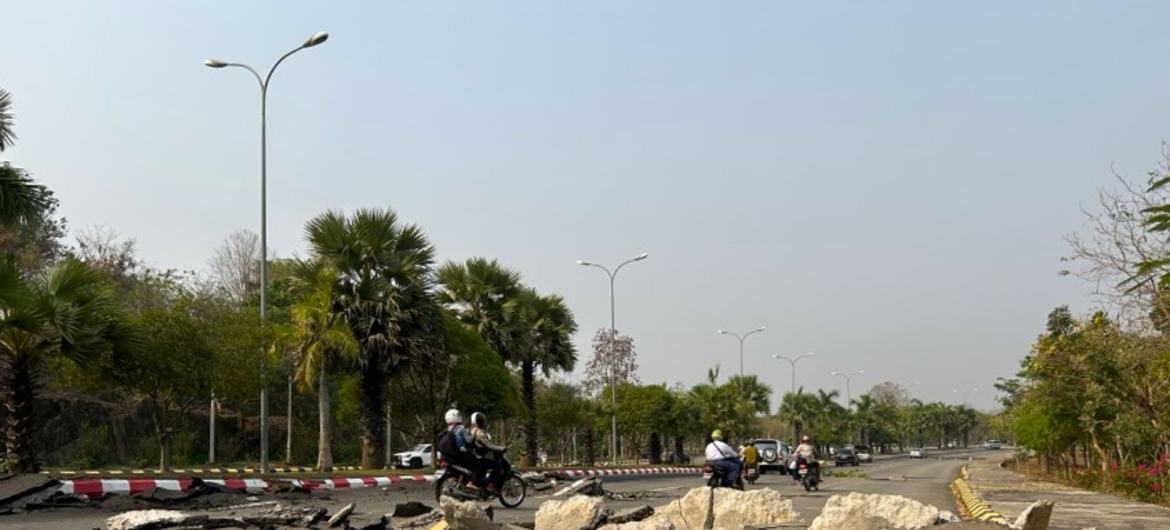
A major road in Nay Pyi Taw shows severe structural damage following the 7.7 magnitude earthquake that struck Myanmar.

Preventable ‘meningitis belt’ deaths targeted in health agency action plan

People anywhere, at any age can be infected with meningitis, which is transmitted through respiratory secretions or droplets in close human contact. Low and middle-income nations are worst-affected.  

The so-called “meningitis belt” in sub-Saharan Africa sees most cases and outbreaks. It stretches from Senegal and The Gambia in the west of the continent all the way to Ethiopia in the east.  

The most dangerous form of the disease, bacterial meningitis, can kill within just 24 hours – and one in six people dies once infected.

“Every family who has had a meningitis case knows about what fear this disease can bring,” said Dr Marie-Pierre Preziosi, WHO Team Lead for Meningitis and R&D Blueprint.

Life sentence

Around 20 per cent of people who contract bacterial meningitis develop long-term complications, including disabilities with a devastating, life-long impact, WHO said in a statement.

Extra attention must be paid to vaccination coverage to avoid critical problems including impairment of brain function, warned Dr Tarun Dua, WHO Unit Head for Brain Health, speaking to journalists at the launch of the new guidelines.

Class divide 

Hearing loss is just one side-effect of the disease; it is often particularly harmful for children whose education suffers. But if it can be detected quickly as per the new WHO guidelines “you can provide treatment and the child can be well included” at school and in society”, Dr. Dua explained.

A cluster of three or four cases amongst schoolchildren can be treated with antibiotics but only if vaccination levels are high, according to Dr Lorenzo Pezzoli, WHO Team Lead for Meningitis and Epidemic Bacterial Diseases.

Worth a shot 

But many countries lack the means to provide vaccine protection to ensure collective immunity against many diseases, not only meningitis. In addition, they also lack the advanced technology required to diagnose the disease in the first place, which isn’t as easy as a COVID-19 swab test.

“You need to insert the needle in the spine and test the liquid that comes out,” Dr Pezzoli said, highlighting the difficulty facing many low-income countries held back by poor health facilities.

In a growing number of countries impacted by emergencies crisis or conflict, people cannot get the treatment they need as quickly as they should, creating “fertile grounds for meningitis epidemics”, said Dr Pezzoli, who added that his two-year-old son has had his jab for the disease.  

The UN health agency guidelines form part of its efforts to eradicate meningitis by 2030. It works with partners including the MenAfrinet network to support countries collect and analyze high quality disease surveillance data. This enables monitoring the impact of control strategies including the Meningitis A vaccine.

Prevention is “the most important piece of the puzzle”, Dr Pezzoli insisted. 


Israeli strikes in Lebanon continue to kill civilians, UN rights office warns

At least 71 civilians have been killed by Israeli forces in Lebanon since the 27 November 2024 ceasefire, according to an initial review by the Office of the UN High Commissioner for Human Rights (OHCHR).  

Among the dead are 14 women and nine children. More than 92,000 people remain displaced by the violence.

Recent escalation

At a press briefing in Geneva, OHCHR spokesperson Thameen Al-Kheetan detailed recent escalations, including a strike on a residential building in Beirut’s southern suburbs on 1 April that killed two civilians. The area was near two schools and suffered extensive damage.

Two days later, Israeli airstrikes destroyed a newly opened medical centre in Naqoura, southern Lebanon, and damaged ambulances stationed nearby. Additional strikes between 4 and 8 April reportedly killed six more people in towns across southern Lebanon.

Furthermore, since the ceasefire began, at least five rockets, two mortars and a drone were launched from Lebanon towards the north of Israel, according to the Israeli army. Tens of thousands of Israelis are still reportedly displaced from the north.

Call to end violence

Mr. Al-Kheetan said Israeli strikes since the ceasefire have repeatedly hit civilian infrastructure, including residential buildings, roads, and at least one café.

The violence must stop immediately,” he said, emphasising the obligation of all parties to uphold international humanitarian law, including the principles of distinction, proportionality, and precaution.

He also called for prompt, independent investigations into all alleged violations of international humanitarian law and for accountability for those found responsible.

Civilians must be protected, and displaced people — in both Lebanon and Israel — must be allowed to return safely,” Mr. Al-Kheetan said. He also stressed the urgent need to clear unexploded ordnance from southern Lebanon to enable safe resettlement.

Respect the ceasefire

Mr. Al-Kheetan further reiterated High Commissioner Volker Türk’s call on all parties to respect the terms of the ceasefire and Security Council resolution 1701.

Adopted in August 2006, resolution 1701 called for a full cessation of hostilities between Hezbollah and Israel following their 34-day war. It also called for the withdrawal of Israeli forces from southern Lebanon, the deployment of the Lebanese army and the disarmament of all non-state armed actors in Lebanon.

Myanmar earthquake tragedy ‘compounds already dire crisis’

Humanitarian and Resident Coordinator Marcoluigi Corsi expressed the UN’s profound sorry at the immense loss of life stemming from Friday’s 7.7 and 6.4 magnitude quakes with the death toll rising to around 2,000, according to the country’s military junta.

“The latest reports indicate significant loss of life, widespread injuries, and many still unaccounted for as rescue operations continue,” Mr. Corsi said in a statement on behalf of the UN Country Team.

Urgent support operation continues

He stressed that the UN and partners continue to urgently mobilise in support of the emergency response, standing ready to assist all communities “wherever they are”.

The earthquakes struck near Mandalay and Sagaing, with impacts felt across Bago, Magway, Nay Pyi Taw, and parts of Shan State. Hospitals are overwhelmed, while communication and transport routes have been severely disrupted.

Thousands are sleeping in the open, fearful of aftershocks and unable to return to damaged homes.

UN-facilitated rescue teams from around 20 countries, including sniffer dogs, paramedics and medical supplies, supported by millions of dollars in aid, continue to arrive in Myanmar – where millions were already displaced by civil war, arising from the military coup of February 2021.

Resilience further eroded

Even before this earthquake, nearly 20 million people in Myanmar were in need of humanitarian assistance,” Mr. Corsi emphasized. “This latest tragedy compounds an already dire crisis and risks further eroding the resilience of communities already battered by conflict, displacement, and past disasters.”

The UN Humanitarian Country Team is actively conducting rapid needs assessment missions in coordination with UN agencies, humanitarian partners, local authorities and community-based organizations, paying particular attention to the needs of women, children, the elderly, and people with disabilities, who are disproportionately affected in such disasters.

“Beyond the immediate response, this crisis highlights the urgent need to strengthen efforts towards recovery and to invest in measures that help communities withstand future shocks,” Mr. Corsi said.

Significant UN presence

An initial $15 million in emergency funds has been allocated by the UN to support the lifesaving response. Medical teams, shelter materials, and critical water, sanitation and hygiene (WASH) items are arriving – alongside prepositioned and supplementary food aid.

“We have a significant presence in Mandalay and surrounding areas, and we are doing everything we can to reach people in need despite serious logistical challenges,” Mr. Corsi said. “But much more will be required in the days and weeks ahead.”

More than ever, timely support is critical to prevent further deterioration of the crisis, he added.

The World Food Programme (WFP) reported that it aims to support 100,000 of the worst hit with ready-to-eat meals, following by food and cash-for-food assistance to around 800,000 for the next month.

WFP Myanmar/Chit Min Htet

Severe damage to Naypyidaw’s road infrastructure following the ea​rthquake in Myanmar.

Ceasefire now: UN Special Envoy

The UN Special Envoy on Myanmar Julie Bishop issued a statement on Monday saying she stands in solidarity with the people of Myanmar.

The earthquake has laid bare the deeper vulnerabilities facing Myanmar’s people and underscored the need for sustained international attention to the broader crisis.”

Referencing the ongoing conflict which has seen military forces lose control of a majority of the country to opposition armed groups amid brutal fighting and airstrikes, she said that “all sides must urgently allow space for humanitarian relief and ensure that aid workers can operate in safety.”

Continuing military operations in quake-affected areas “risks further loss of life and undermines the shared imperative to respond,” she continued.

Ms. Bishop called for an immediate ceasefire by all parties, to prioritise the rescue, aid and recovery effort, including protection of civilians.

She said she was in close contact with Emergency Relief Coordinator Tom Fletcher and the UN Country Team in Myanmar who are working in partnership with neighboring countries and others, supported by the UN’s regional and global network. 

Millions displaced, health system in ruins as Sudan war fuels famine

With fighting showing no sign of abating and humanitarian access extremely limited, the crisis in Sudan has become one of the world’s largest emergencies, the UN Office of the High Commissioner for Refugees (UNHCR) warned on Monday.

“This is a very, very sad milestone,” Mamadou Dian Balde, UNHCR Regional Director for East Africa said, marking two years since the outbreak of war.

We are seeing massive violations, massive displacements and a devastating impact on millions of people.

A humanitarian catastrophe

The war, which erupted in April 2023 between the Sudanese Armed Forces (SAF) and the paramilitary Rapid Support Forces (RSF), has triggered a full-blown humanitarian catastrophe.

More than half the population – around 25 million people – require humanitarian assistance and protection, but funding shortfalls and insecurity have left vast swaths of the country beyond reach.

The UNHCR-led $1.8 billion Regional Refugee Response Plan for 2025 – which aimed to support 4.8 million refugees and host community members – remains only 10 per cent funded, Mr. Balde said, jeopardizing essential services such as food, shelter, education and healthcare.

“Communities that have very little are sharing what they have with the refugees. It is an extraordinary show of solidarity,” he added, urging the international community to step up support for the most vulnerable across the region.

Thousands of lives at risk

Hunger has reached catastrophic levels in Sudan, with famine confirmed in 10 areas and 17 more at risk, according to the UN World Food Programme (WFP).

In some areas, emergency food assistance is the only barrier preventing starvation. However, vital operations are constrained by insecurity and lack of funds.

Without immediate assistance, especially in famine or famine-risk areas, thousands of lives are at risk,” said Makena Walker, WFP Acting Country Director in Sudan.

“We can scale up – but we need all parties to guarantee safe, unhindered access for humanitarian convoys,” she added.

© UNICEF/Ahmed Mohamdeen Elfatih

A mother sits alongside her eight-year-old daughter at a hospital in Sudan.

Children hit hardest

Children remain among the hardest hit.

According to the UN Children’s Fund (UNICEF), child casualties this year have surged by 83 per cent compared to early 2024. Children are also at severe risk of sexual and gender-based violence or being forced into armed groups, on top of already losing out on education.

In addition, an estimated 146,000 children are projected to suffer from severe acute malnutrition this year, leaving them up to 11 times more likely to die than a well-nourished child.

A public health emergency

The crisis has also spiralled into a public health emergency, with over 20.3 million people now in urgent need of medical care. Cholera, measles, malaria and dengue are spreading rapidly across two-thirds of Sudan’s states, with cholera alone claiming over 1,500 lives.

This situation is unravelling against a health infrastructure on the brink of collapse: 38 per cent of hospitals in the worst affected regions are non-functional and the remaining only partially operational, according to the UN World Health Organization (WHO).

Attacks on healthcare have surged, with 156 attacks verified over the past two years, resulting in hundreds of deaths and injuries.

“In addition to being a famine crisis, the humanitarian situation in Sudan is also a protection and health crisis,” said Shible Sahbani, WHO Representative in the country.

The UN health agency is determined to continue working to improve health access for Sudan’s people. However, recent funding cuts have forced WHO to scale back operations, potentially affecting health services.

If funding does not flow, 4.7 million people targeted for health interventions this year will be affected. Services at 335 health facilities will also have to be reduced, including trauma and emergency care.

© UNICEF/Mohammed Abdulmajid

A woman carries water to her shelter in a camp for internally displaced persons in eastern Sudan.

Working against the odds

Despite the challenges, UN humanitarians and partners continue their efforts to reach the most vulnerable communities with lifesaving assistance.

Since the war began, WFP has provided over 13 million people with food and nutrition support. For its part WHO, has supported over one million people with health services, treated 75,000 severely malnourished children and helped vaccinate 11.5 million children against polio and measles.

But aid workers warn the situation is deteriorating fast, particularly in the states of Darfur and parts of Khartoum and Al-Jazirah (also spelled Gezira), where active fighting and sieges are cutting civilians off from assistance.

Mr. Balde reiterated the urgent need for the international community to help silence the guns, “we call for peace, protection and sustained support – [only then] normalcy can return, and refugees can return home.

Gaza faces deepening crisis as aid stocks dwindle

More than 500,000 people are reported to have been newly displaced since 18 March, many of them uprooted multiple times due to ongoing military operations across the Gaza Strip.

Conditions on the ground are deteriorating rapidly, with critical shortages in basic supplies and growing malnutrition, especially among children.

“Tents are no longer available for distribution,” UN spokesperson Stéphanie Tremblay told journalists at a regular news briefing in New York.

She noted that families in Bani Suhaila, Khan Younis Governorate, recently received only minimal quantities of blankets and tarpaulins. Displaced populations in Khan Younis reported overcrowded shelters and a dire lack of food, water, and medicine.

Impact on children

Children are among the worst affected. In March, the number of children receiving supplementary feeding declined by more than two-thirds, according to humanitarian partners, raising concerns of acute malnutrition amid collapsing health services.

In addition, hospital operations are further strained by limited access to medical supplies.

“Humanitarians are finding it increasingly difficult to operate as no aid has entered Gaza for now. We are now in the seventh week of this and as military operations expand,” said Ms. Tremblay, adding that Israeli authorities continue to deny planned coordinated missions.

“Today, only two out of six planned humanitarian movements that were coordinated with the Israeli authorities, were facilitated. The remaining four were denied, including one mission to retrieve fuel from Rafah, which as you can imagine is urgently needed.”

Despite insecurity and access limitations, humanitarian organizations continue efforts to help vulnerable families. Community kitchens across Gaza prepare more than one million meals daily, but that remains insufficient for most of the 2.1 million people in the enclave who rely on aid for basic sustenance.