Trump Admn cracks whip on H1B Visa, Indian techies to pack up sooner than before

Unlike the expectations, the Trump administration has finally cracked the whip on H1B work visa rules making it difficult for the ‘friendly-nation’ India’s passport holders, especially IT employees, who may find it just impossible to turn them into Green Cards now.

The changes announced in a memo issued by the US Citizenship & Immigration Services on Friday, February 22 makes it twice as difficult to get H1B work visa and also making it impossible to get an extension. Earlier, H1B visas were issued for a period of three years and on supplementary questioning, it may be extended by another three years.

The latest changes makes it mandatory for the companies to share the details of work nature for full three years and if it is for 2 years or less, then the visa will be issued only for that specific period.

In case of extension, it has become necessary for the companies to share every detail. So, failing to get any extension, now the H1 B visa holder should return home earlier than expected.

“Scenarios involving a third-party worksite generally make it more difficult to assess whether the petitioner has established that the beneficiary  will actually be employed in a specialty occupation or that the requisite employer-employee relationship will exist,” said the memo categorically. It has further cited the situations when this assessment has become difficult, such as:

Currently, while determining whether an employer-employee relationship exists, adjudicators should go by the Employer-Employee Memo, published on January 8, 2010, for guidance.

In the “vendor” concept, frequently referenced in H-1B petitions in the information technology (IT) industry, the memo noted that the terms are not precisely defined as petitions commonly refer to “primary vendors,” who have an established or preferred relationship with a client, or “implementing vendors,” who bid on an IT project with a client and then implement the contract using their own staff.

Primary vendors ask secondary vendors to fill staffing needs on individual projects. [See, e.g., Acclaim Systems, Inc. v. Infosys, No. Civ.A. 13-7336, 2016 WL 974136 at *2 (E.D. Pa. Mar. 11, 2016)]. As a result, the ultimate client project may be staffed by a team of H-1B beneficiaries who were petitioned for by different, unrelated employers.

Based on the agency’s experience, USCIS said that significant employer violations—such as paying less than the required wage, benching employees (not paying workers the required wage while they wait for projects or work) and having employees perform non-specialty occupation jobs—may be more likely to occur when petitioners place employees at third-party worksites.

In order to protect the wages and working conditions of both U.S. and H-1B nonimmigrant workers and prevent fraud or abuse, the agency said the new policy seeks to ensure that officers properly interpret and apply the statutory and regulatory requirements that apply to H-1B petitions involving third-party worksites.

It said when a beneficiary will be placed at one or more third-party worksites, the petitioner must demonstrate that it has specific and non-speculative qualifying assignments in a specialty occupation for the beneficiary for the entire time requested on the petition. The petitioner  will be required to show that:
• The petitioner has a specific work assignment in place for the beneficiary;
• The petition is properly supported by a Labor Condition Application (LCA) that corresponds to such work; and
• The actual work to be performed by the H-1B beneficiary will be in a specialty occupation based on the work requirements imposed by the end-client who uses the beneficiary’s services. [See Defensor v. Meissner, 201 F.3d 384, 387 (5th Cir. 2000)].

USCIS further said the H-1B petitions do not establish a worker’s eligibility for H-1B classification if they are based on speculative employment or do not establish the actual work the H-1B beneficiary will perform at the third-party worksite.

The companies which regularly place their workers at third-party worksites often submit uncorroborated statements describing the role at the third-party worksite. “Such statements by the petitioner, without additional corroborating evidence, are often insufficient to establish by a preponderance of the evidence that the H-1B beneficiary will actually perform specialty occupation work,” it said.

For such third-party, off-site arrangements, additional corroborating evidence, such as  contracts and work orders, may substantiate a petitioner’s claim of actual work in a specialty occupation, said the memo. “In all instances, the petitioner’s burden of proof is to establish that the H-1B beneficiary will be employed in a specialty occupation and that the petition is properly supported by an LCA that corresponds to the actual work the beneficiary will perform. If the petitioner does not submit corroborating evidence or otherwise demonstrate that there is a specific work assignment for the H-1B beneficiary, USCIS may deny the petition,” it noted.

In addition to contracts between the petitioner and its client for that worksite, the petitioner may be able to demonstrate that the beneficiary has actual work assignment(s) in a specialty occupation by providing evidence such as:
• Evidence of actual work assignments, which may include technical documentation, milestone tables, marketing analysis, cost-benefit analysis, brochures, and funding documents.
• Copies of relevant, signed contractual agreements between the petitioner and all other companies involved in the beneficiary’s placement, if the petitioner has not directly contracted with the third-party worksite.
• Copies of detailed statements of work or work orders signed by an authorized official of the ultimate end-client company where the work will actually be performed by the beneficiary. The statement should detail the specialized duties the beneficiary will perform, the qualifications that are required to perform the job duties, the duration of the job, and the hours to be worked.
• A letter signed by an authorized official of each ultimate end-client company where the beneficiary will actually work. The letter should provide information, such as a detailed description of the specialized duties the beneficiary will perform, the qualifications required to perform those duties, the duration of the job, salary or wages paid, hours worked, benefits, a detailed description of who will supervise the beneficiary and the beneficiary’s duties, and contracts as evidence to demonstrate the validity.

Itinerary as a regulatory requirement

The H1B petitioners are required to file an itinerary with a petition that requires services to be performed in more than one location. The itinerary must include the dates and locations of the services to be provided. The prior Itinerary Memo’s allowance of general statements, as opposed to exact dates and places of employment, seems to have been incorrectly
interpreted by some adjudicators, and some members of the general public, as excusing the petitioner from having to submit an itinerary, as required by 8 CFR 214.2(h)(2)(i)(B).
There is no exemption from this regulatory requirement. An itinerary with the dates and locations of the services to be provided must be included in all petitions that require services to be performed in more than one location, such as multiple third-party worksites. The itinerary should detail when and where the beneficiary will be performing services. Adjudicators may deny the petition if the petitioner fails to provide an itinerary, either with the initial petition or in response to a Request for Evidence.4

Itinerary as evidence requires “the dates and locations of the services to be provided when the petition requires the beneficiary to work at multiple worksites, a more detailed itinerary can help to demonstrate that the petitioner has nonspeculative employment, even when the beneficiary will only be working at one third-party worksite. For instance, it could help USCIS determine whether there are specific and nonspeculative qualifying assignments if the petitioner submits a complete itinerary of services or engagements that specifies:

• The dates of each service or engagement;
• The names and addresses of the ultimate employer(s);
• The names, addresses (including floor, suite, and office) and telephone numbers of the locations where the services will be performed for the period of time requested; and
• Corroborating evidence for all of the above.”

Referring to trade secrets, it is critical that the redacted document contain all information necessary for USCIS to adjudicate the petition. Although a petitioner may always refuse to submit confidential commercial information if it is deemed too sensitive, the petitioner must also satisfy the burden of proof and runs the risk of a denial. [Cf. Matter of Marques, 16 I&N Dec. 314, 316 (BIA 1977).]

While an H-1B petition may be approved for up to three years, USCIS will, in its discretion, generally limit the approval
period to the length of time demonstrated that the beneficiary will be placed in non-speculative work and that the petitioner will maintain the requisite employer-employee relationship, as documented by contracts, statements of work, and other similar types of evidence. 8 CFR 214.2(h)(9)(ii)(A) and (iii).

Extensions

In addition to the above elements that apply to all H-1B third-party worksite petitions, if an H-1B petitioner is applying to extend H-1B employment for a beneficiary who was placed at one or more third-party worksites during the course of past employment with the same petitioner, that petitioner should also establish that the H-1B requirements have been met for the entire prior approval period.

This includes establishing that the beneficiary worked in the specialty occupation, that he or she was paid the required wage, and that the employer maintained the right to control the beneficiary’s employment. If the petitioner did not comply with the terms and conditions of the original petition and did not file an amended petition on time, USCIS may have eligibility concerns about a subsequent petition filed to extend the beneficiary’s employment.5

“If the terms and conditions of the initial approval period were not met and the petitioner has demonstrated eligibility for the subsequent petition, the extension petition may be approved,” said the memo.

Reaction

The Indian IT association Nasscom is up in arms as usual and its president R Chandrasekhar said the new paper work would make it impossible for an immigration officer to establish the connections between qualifications and tasks, with utmost subjectivity.

“The implication of this is there will be a lot more paperwork. A series of executive orders have been coming out. Each one by itself may not be much, but they have cumulatively added up to making it much more difficult and onerous for companies to use the H-1B route,” he said in a statement.

The new policy seeks additional evidence such as more details in the work orders or in letters from the end client regarding the beneficiaries’ work assignment. It seeks USCIS to ask for more evidence regarding the specific nature of the H-1B worker’s work now.

Nasscom vice-chairman Rishad Premji said that Indian IT firms use less than 20% of the 65,000 H-1Bs issued each year. Chandrasekhar said “in the last two years, the number of visa applications filed by Indian IT firms dropped by 50%”.

Chandrasekhar said the shortage of STEM (science, technology, engineering and math) workers in the US would further create a void. However, Indian IT companies have been recruiting more locals in the past two years and the trend may continue.

Amateur astronomer greeted by exploding supernova

As luck would have it, a supernova greeted an amateur astronomer who has just focused his camera and soon an international team of researchers were alerted to validate theoretical predictions about the initial evolution of such stellar explosions.

Current theory suggests an explosive shockwave travels through the star’s interior before reaching the surface and producing a sharp peak of electromagnetic emission. The strength and duration of this signal, known as shock breakout is believed to largely depend on the outer structure of the star and on the presence or absence of matter around it. However, testing this theory requires the observation of the before and after moment a star becomes a supernova.

Melina Bersten, researcher at the Instituto de Astrofísica de La Plata, CONICET – UNLP, Argentina, and Visiting Associate Scientist at the Kavli Institute for the Physics and Mathematics of the Universe has said the chances of capturing such an event are slim, because it lasts for the order of one hour.

"If we think that on average each galaxy roughly produces one supernova per century, and that a century contains nearly 900 thousand hours, then the chance probability of observing the right galaxy at the right moment is not much greater than one in a million. However, the actual chances are smaller. One needs to take into account the facts that we can only see the galaxy during the night time and that the sky must be clear," she said.

Luckily, on September 20, 2016, amateur astronomer Victor Buso from Rosario, Argentina, was testing his new camera on his rooftop observatory in hope of photographing his first supernova. After an hour of taking images Buso noticed a new tiny object had appeared, and it became more obvious with time. He had captured the moment a supernova had exploded.

Named SN 2016gkg, a team of researchers including the Kavli Institute for the Physics and Mathematics of the Universe, and lead by Bersten, analyzed the images. The rapid brightening rate combined with a very low luminosity had no analogue among known supernovae, and the team concluded Buso had discovered SN 2016gkg during the shock breakout.

"When Buso told us how he had observed and what he had witnessed, we realized this was a unique finding," said Bersten.

Also, by comparing the photometry of the images with their computer simulations, the team found an initial sharp rise in supernova light that could only be explained by shock emergence.

"To our surprise, images had a great quality considering they were obtained from the middle of a large city in the midst of the pampas", notes Dr. Gasto?n Folatelli from IALP, who led the data analysis, and adds "sky conditions seem to have been nearly ideal on that night!"

Their conclusion was supported by the fact that the models required no modification in order to consistently reproduce the initial rise and the rest of the supernova evolution (Figure 3). Moreover, SN 2016gkg happened to be a rather ordinary event, which would imply that the observed phase is common to all supernovae, as models predict.

The team’s results were published in Nature on February 22.

[ tag  Amateur astronomer ]

‘Chameleon’ ocean bacteria can shift their colors

Cyanobacteria – which propel the ocean engine and help sustain marine life – can shift their colour like chameleons to match different coloured light across the world’s seas, according to research by an international collaboration including the University of Warwick.

The researchers have shown that Synechococcus cyanobacteria – which use light to capture carbon dioxide from the air and produce energy for the marine food chain – contain specific genes which alters their pigmentation depending on the type of light in which they float, allowing them to adapt and thrive in any part of the world’s oceans.

“Blue light is most prevalent in the open oceans, as it penetrates into deep waters – whereas in warm equatorial and coastal waters there is more green light, and in estuaries the light is often red”, explains David Scanlan, who is Professor in Marine Microbiology in the University of Warwick’s School of Life Sciences.

These specific ‘chromatic adaptor’ genes are abundant in ocean dwelling Synechococcus – enabling these colour-shifting microorganisms to change their pigment content in order to survive and photosynthesise in ocean waters, especially when the light quality changes from blue to green.

Professor Scanlan said: “Finding Synechococcus cells capable of dynamically changing their pigment content in accordance with the ambient light colour – abundant in ocean ecosystems, making them planktonic ‘chameleons’ – gives us a much deeper understanding of those processes essential to keep the ocean ‘engine’ running.

“This will help improve how we look after our waters – and will allow us to better predict how oceans will react in the future to a changing climate with increasing levels of carbon dioxide in the atmosphere.”

The researchers made their discovery using data from the Tara Oceans expedition – which took seawater samples from ocean waters all over the world.

From this data, Professor Scanlan and colleagues analysed specific gene sequences from Synechococcus in the different samples, identifying particular ‘chromatic adaptor’ genes in bacteria living thousands of miles apart.

This discovery represents a major breakthrough in our understanding of these organisms, which are key primary producers and potentially excellent bio-indicators of climate change.

IFMR Capital rebrands to become Northern Arc Capital

IFMR Capital, one of India’s leading debt capital platforms, has unveiled a new brand identity and will henceforth be known as Northern Arc Capital. Inspired by an ancient trade route that provided the first contact between the worlds of those with access to those without, Northern Arc Capital will continue to be the critical link between providers and users of capital across markets.

Over the last 10 years, the company has played a pioneering role in enabling financial inclusion in India by providing entities that target low income households and small businesses with critical access to debt capital markets. As it enters its second decade of existence, the company aims to magnify its impact by expanding its footprint to newer sectors and markets. It plans to enter into strategic alliances with domestic and international institutions that are committed to the long-run.

The company has signed its first international MoU with a large global bank and has received anchor investor interest for its first overseas Alternate Investment Fund. It is also in the process of making its first overseas joint-venture investment. This will provide the company the opportunity to extend its learning onto a global platform. Its ongoing guarantee program with the Asian Development Bank is also being expanded to cover newer product categories.

Northern Arc Capital is backed by Dvara Trust (Formerly IFMR Trust), LeapFrog Investments, Eight Roads Ventures and Standard Chartered Private Equity.

Speaking on this landmark occasion, Kshama Fernandes, CEO of IFMR Capital said “We are excited to scale our path breaking work under our new brand Northern Arc. A decade ago, we set on a mission to provide access to finance for under-banked individuals and businesses.”

Since inception in 2008, the company has partnered with more than 140 institutions to impact the lives of over 33 million customers across 29 states and 5 Union Territories. The company has enabled debt financing of USD 7 bn across sectors like microfinance, small business loans, affordable housing finance, vehicle finance and agri finance. It has structured and executed over 400 transactions which have been placed with over 120 investors.

The firm has developed several innovative products that have changed the landscape of the financial inclusion sector, including the world’s first multi originator securitization, MOSECR. Other unique product structures include India’s first Pooled Bond Issuance, Pooled Loan Issuance, and the first securitization transaction in the consumer durables sector. It also follows a skin-in-the-game approach by co-lending or investing in the debt-structures of entities it takes to the capital market.

As part of the rebranding initiative, IFMR Investment Managers, the subsidiary of IFMR Capital, an Alternate Investment Fund vehicle, will be known as Northern Arc Investment Managers. In a short span of three years, the entity already has six funds under its management and has gained recognition for its product structuring.

Northern Arc Capital Limited (formerly known as IFMR Capital Limited) is a Non-Banking Finance Company that provides access to debt for under-banked individuals and businesses in India. As of January 31, 2018 Northern Arc has structured, arranged and invested in over USD 7 billion of financing to institutions enabling 33 million end customers to be served.


Abu Dhabi buildings lit in Tricolour to welcome Modi

Prime Minister Narendra Modi was greeted in UAE capital Abu Dhabi with some buildings lit in the Indian tricolour as the city was decked up for the occasion and the busy day marked signing five agreements by the two countries.

Modi held talks with Abu Dhabi Crown Prince Mohamed bin Zayed Al Nahyan and the major outcome of the event is the agreement on offshore oil exploration project that was awarded to a consortium of Indian oil companies with a 10 per cent stake.

Modi, who arrived in Abu Dhabi from Jordan after visiting Palestine was received by Mohammed Bin Zayed, who was India’s Chief Guest at 2017 Republic Day parade, as a special gesture setting aside the protocol.

Mohammed Bin Zayed tweeted: “We warmly welcome our state guest and valued friend, the Indian Prime Minister to the UAE. His visit reflects our longstanding historical ties and is testament to our friendly bilateral relationship.”

This is Modi’s secondd visit to UAE. He had earlier visited the Gulf nation in 2015 to a rousing reception that paved the way for extensive relations between the two nations.

After visiting Wahat Al Karama, the UAE martyr’s war memorial on Sunday, Modi will travel to Dubai and attend a recetion for the Indian community at the Dubai Opera House. The occasion also marks the opening of the first Hindu temple in Abu Dhabi, which will be livestreamed at the Opera House.

Prime Minister Narendra Modi will also address the World Government Summit in Dubai, where India is a guest of honour this year.

National Deworming Initiative Launched

Union Minister for Health & Family Welfare J.P. Nadda addressing at the launch of the National Deworming Day, 2018, in Gurugram, Haryana on February 10, 2018. The Minister of State for Planning (I/C) and Chemicals & Fertilizers, Rao Inderjit Singh and other dignitaries are also seen.(PIB)

Union health minister J P Nadda has launched the National Deworming Day at a function at Gurugram, on Saturday, which is one of the largest public health initiatives in the world in scale and reach.

The minister said, “Government is committed to ensuring high quality healthcare, accessible to every child and upto the last mile. One of the interventions, the National Deworming Day, is one of the largest public health initiatives in the world.”

The Union Health Minister announced that for this round of National Deworming Day, the Government is aiming to reach more than 32.2 crore children. The Ministry had first launched National Deworming Day (NDD) in 2015 which was implemented in 11 States and UTs across all Government and Government-aided schools and Anganwadi centres targeting children aged 1 to 19 years. Since then the program has been scaled up throughout the country.

Nadda further stated that last year 25.6 crore children in the February 2016 round and 22.8 crore children in the August 2016 round were successfully reached and treated with deworming treatment on National Deworming Day. He has also released the ‘Deworming Factsheet’ at the event.

“We follow a life-cycle approach in devising all our health programs, right from pregnancy till adolescence, we take care of the mother and the child to make them healthier and get their timely access to healthcare. Our programs like National Deworming Day, which is for all children, are ensuring prevention of cognitive disability as well decreasing the school drop-out rate of children by improving overall health of the children. All these initiatives move us closer to overall wholesome development of the country,” said Nadda.

The initiative aims to create mass awareness about the most effective and low-cost STH treatment— administering Albendazole tablets. The tablet has no side effects and in case the dose gets missed, MoHFW carries out ‘mop-up’ sessions, to ensure no child is left out. Along with Albendazole administration, behaviour change practices in terms of cleanliness, hygiene, use of toilets, wearing shoes or chappals, washing hands among others is also important, said the minister.

The National Deworming Day is a single fixed-day approach to treating intestinal worm infections in all children aged 1- 19 years and is held on 10 February and 10 August each year. Having conducted five rounds of National Deworming Day since February 2015, the mass deworming program aims to reach all children at schools and anganwadis with the deworming treatment. Any child not dewormed on National Deworming Day due to absenteeism or sickness, will be dewormed on mop-up day, 15 February.

Deworming may have very few side effects and some children, especially those with high worm infections, might experience nausea, mild abdominal pain, vomiting, diarrhoea, and fatigue.

Rahul Gandhi calls on President

A day after the Republic Day, Congress President Rahul Gandhi called on President Ram Nath Kovind at the Rashtrapati Bhavan in New Delhi on Saturday.

It was not clear why Rahul Gandhi paid a visit to Rashtrapati Bhavan a day after the President hosted “At Home” reception on the Rashtrapati Bhavan lawns on the 69th Republic Day on Friday.

Rahul Gandhi, who was seated in sixth row of the dignitaries to witness the Republic Day parade on Friday, unlike his mother who was always seated in the front row, however, took it in a lighter vein and paid the visit to President.

Rahul Gandhi tweeted after his meeting with President, saying,”I had a wonderful meeting with President Kovind at the Rashtrapati Bhavan.” The meeting was made to a customary one though.

Earlier on Thursday, Congress party described the seating arrangement as BJP’s “cheap politics” to insult Rahul Gandhi. But in a strange turn of the things, the Congress Party president was further pushed behind to sixth row when he was actually shown the sixth row at the Rajpath parade on Friday.

When media coverage highlighted the incident, the government brushed it aside as a security risk consideration.

Reportedly, the humiliation meted out to Rahul Gandhi did not go down well with the foreign dignitaries present at the Republic Day from the 10 ASEAN countries either as some of them had closer ties with the Congress Party when it was in power.

Central University Employees meet minister

A delegation of Central University Non-Teaching employees met Union Minister of State PMO, Personnel, Public Grievances & Pensions, Jitendra Singh in New Delhi on Saturday, Jan. 27, 2018 and demanded resumption of “festival allowance” which, according to them, they were receiving earlier but had got discontinued .

The delegation led by Surjit Manhas, President od Delhi University and College Karamchari Union stated that that non-continuation of festival allowance had affected nearly 4 lakh employees of 44 Central Universities and autonomous bodies all over India, who were earlier getting this bonus/allowance on the occasion of festivals like Deepawali, Dusshera or Eid.

The members of the delegation also presented to the Minister, a memorandum wherein, it was pointed out that whenever in the past, the Government of India passed an order for extension of grant of “Non-Productivity Linked Bonus” to its employees, the order always automatically got implemented also for the Central Universities and autonomous bodies.

However, the order for the extension of the bonus issued for 2015-16 and 2016-17 was not implemented in case of employees of Central Universities and autonomous bodies. Jitendra Singh said that he will seek the views of concerned departments on the issue.

India signs MoUs/Agreements signed on Cambodia PM Hun Sen visit

The Vice President of India, Mr M. Venkaiah Naidu has said that India is committed to provide all support to the agricultural sector in Cambodia, which has a great potential. He was interacting with the Prime Minister of Cambodia, Mr. Hun Sen, in New Delhi on Saturday, January 27, 2018. Senior officials from Cambodia and India were present on the occasion.

The Vice President conveyed his best wishes to the visiting Cambodian Prime Minister who is the longest serving Prime Minister in the world. He further complimented Cambodian Prime Minister’s son Mr. Hun Money for being bestowed with the Padma Shri Award, India’s fourth highest civilian honour, by the Indian Government.

The Vice President recalled fond memories of his personal visit along with his family to the Angkor Wat temple complex in Cambodia few years back, which is the largest religious monument in the world. He further said that India is committed to continue its assistance in capacity building, developmental and social projects as well as preservation of historical and cultural heritage of Cambodia and the restoration and conservation of Angkor Wat temple and the continued work by Archaeological Survey of India at Ta Prohm temple was an evidence for the same. India is proud to become the co-chair of International Coordinating Committee for Safeguarding and Development of the Historic Site of Preah Vihear, he added.

The Vice President appreciated Cambodian government for the remarkable economic growth of over 7% consistently year after year in the last two decades. He further said that the economic developments in our two countries present opportunities for greater commerce and investment. Hope Cambodia will provide easy access to the Indian professionals, businessmen and service providers, he added.

The Vice President said that Indian Chair for Buddhist and Sanskrit studies at Preah Sihanouk Raja Buddhist University further deepens the interactions and understanding between our scholars. He further said that a project development fund with a corpus of 75 million US Dollars for catalyzing Indian investment in CLMV countries is created. Our EXIM Bank teams are conducting feasibility studies in the region including Cambodia to identify potential sectors, he added.

The Prime Minister of Cambodia has recalled the assistance provided by the Indian Government during it’s difficult times. He invited the Vice President to make a state visit to Cambodia at his convenience.

The family members of the Vice President welcomed the visiting Cambodian Prime Minister with a traditional Pochampally Shawl.

List of MoUs/Agreements signed during the State Visit of Prime Minister of the Kingdom of Cambodia to India ( January 27, 2018):

S. No. Agreement/MOU/Treaty and Purpose of MoU Name of Minister/officials who exchanged Agreement from Indian and Cambodian side
1. Cultural Exchange Programme with Cambodia for the year 2018-2022. The CEP seeks to promote cultural exchange and strengthen the friendly relations between India and Cambodia. Indian side:
Dr. Mahesh Sharma Minister of State (Independent Charge), Ministry of Culture Government of India
Cambodian side:
Mrs. PHOEURNG Sackona Minister of Culture and Fine Arts, Government of the Kingdom of Cambodia
2. Credit Line Agreement between the EXIM Bank, Government of India and the Government of Cambodia for a Line of Credit to finance the Stung Sva Hab Water Resource Development Project for US$ 36.92 million. Indian Side:
Smt. Preeti Saran Secretary(East) Ministry of External Affairs
Cambodian side:
Mr. PHAN Phalla, Under-Secretary of State, Ministry of Economy and Finance. Government of the Kingdom of Cambodia
3. Mutual Legal Assistance in Criminal Matters. It seeks to improve the effectiveness of both countries in the prevention, investigation and prosecution of crimes through cooperation and legal assistance in criminal matters. Indian side:
Smt. Preeti Saran Secretary (East) Ministry of External Affairs (MEA)
Cambodian side:
Mr. SIENG Lapresse Adviser of the Government in Charge of Transnational Crime, Ministry of Interior (MLAT). Government of the Kingdom of Cambodia
4. MoU on Cooperation for Prevention of Human Trafficking. It seeks to increase the bilateral cooperation on the issues of prevention, rescue and repatriation related to human trafficking. Indian side:
Smt. Preeti Saran Secretary (East) Ministry of External Affairs (MEA)
Cambodian side:
Mrs. CHOU Bun Eng Secretary of State, Ministry of Interior (Human Trafficking) Government of the Kingdom of Cambodia

Myanmar leader Suu Kyi calls On President Kovind

Aung San Suu Kyi, the State Counsellor of Myanmar, called on President Ram Nath Kovind, at Rashtrapati Bhavan on Saturday, January 27, 2018.She was one of the 10 ASEAN leaders who graced the Republic Day parade on Friday as Chief Guest.

The President thanked Suu Kyi for her presence at the Republic Day and the ASEAN-India Commemorative Summit. The President stated that India had a longstanding relationship with her and her family as she studied in New Delhi in the 1970s.

The Rashtrapati Bhavan and the Mughal Gardens also have a special connection with her. The President presented her bush roses from the Long Garden of Rashtrapati Bhavan.

The President said that Myanmar occupies the highest priority for India under its ‘Neighbourhood First’ and ‘Act East’ policies. He assured India’s continued support to the Government of Myanmar in its peace process, and efforts towards national reconciliation and economic and social development.

The President said the India-Myanmar relationship will get a boost “if we ensure that our strong political and cultural bonds are supported by commerce. Bilateral trade of just over US $ 2 billion is not reflective of our close ties. There is immense scope for cooperation in sectors such as power, renewable energy, hydrocarbons and health.”

COMEDK 2018 Applications Last Date is April 19, Test on May 13

The COMEDK UGET 2018 may perhaps be the last time in its history of over two decades and the cutoff rank is likely to be higher this year.

Eligibility:

The qualifying examinations prescribed for admission for B.E. is second PUC or 10+2 Higher Secondary or equivalent examination recognized by State / Central Government, and the students should have studied Physics, Chemistry and Mathematics with English as a compulsory subject.

The General Merit candidates should have passed with a minimum aggregate of 45% marks (40% in respect of SC, ST and OBC candidates of Karnataka State) in Physics, Chemistry and Mathematics and should have passed these subjects individually.

Physics and Mathematics are compulsory subjects along with Chemistry or Bio Technology or Biology or Computer Science or Electronics as one of the optional subjects. However, changes, if any, in the eligibility criteria by the AICTE will be adopted.

An attempt in the COMEDK Entrance Test seeking admission to Engineering courses is considered adequate for figuring in the rank list. Diploma candidates are not eligible to take the Entrance Test as there are no lateral entry admissions for COMEDK.

Note: The candidates shall submit the original marks card of the examination during counseling for proving their eligibility vis-a-vis marks scored as evidenced by the original marks card. Candidates seeking admission to B. Arch course shall submit separate application form for counseling as per the notification on COMEDK website.

Rank Card will be generated only for those candidates who become eligible for admission to under Graduate Courses as per the regulations of AICTE / VTU, said COMEDK 2018 notification.

19th April 2018 THURSDAY Last date for online payments and Last date for Submission of completed application online
4th May 2018 FRIDAY Start date for download of Test Admission Ticket on the website
12th May 2018 SATURDAY Last date for downloading of Online Test Admission Ticket(TAT)
13 TH MAY 2018 SUNDAY COMEDK UGET & Uni-GAUGE E 2018 Engineering Entrance Exam 2018
17th May 2018 THURSDAY Publishing of Provisional Answer Keys and start date for online submission of objections/challenge of Provisional Answer keys
21st May 2018 MONDAY Last date for receiving challenges/objections pertaining to Provisional Answer Keys
25th May 2018 FRIDAY Publishing of Final Answer keys
28th May 2018 MONDAY Test Score cards made available online 

Test Pattern:

COMEDK said there will be no provision for making correction in the application form which was to be made online.The admit card will be available from May 5 onwards for download. The printout of admit card should be produced at the time of exam along with other documents required by the candidates. The invigilator’s signature is a must on the card and candidates have to ensure that, said COMEDK under its instructions.

Here is a list of entries which are necessary:
Test Admission Ticket Number (TAT number)
Candidate’s name
Candidate’s address and contact details
Candidate’s photo
Test Center details
Test timings
ID Proof details
Pasted passport size photograph

The admission test will have 180 questions given in English under multiple choices carrying one mark each, with no negative marking. Each of the three subjects – Physics, Chemistry, and Mathematics – will have 60 questions each. In case of a tie, the person who has made maximum wrong answers stands to loose in the determination of merit/ rank.


Here are the indicative cutoff points for COMEDK 2018:

For R.V.College of Engineering, the No.1 college in Bangalore, the cutoff rank for CSE or Computer Science Engineering in the last two years was in the range of top 373, for ECE or Electronics & Communication Engineering, it was 856, for ISE or Information Systems it was 597 and for EEE or Electrical & Electronics Engineering, it was 2480 rank.


63rd Jio Filmfare Awards 2018: Winners and Films

The 2018 Filmfare Award ceremony clearly lacked a powerful film like Bahubali but many fresh faces have made it to the top, besides some known actors like Irrfan Khan and Vidya Balan. What’s missing was “Baahubali” euphoria that marked last year’s awards ceremony.

Irrfan Khan has won the Filmfare Best Actor in Leading Role (Male) award for “Hindi Medium” while Vidya Balan received the Filmfare Best Actor in Leading Role (Female) Award for “Tumhari Sulu” at the 63rd Jio Filmfare Awards held in Mumbai on Saturday night.

Among the veterans Rekha was present and she presented the award to Vidya Balan. Akshay Kumar, Sonam Kapoor, R. Madhavan, Arjun Kapoor, Alia Bhatt, Shahid Kapoor, Parineeti Chopra, Saqib Saleem, Armaan Malik, Amaal Malik, Karan Johar, Preity Zinta, Rekha, Jaya Bachchan, Madhuri Dixit among others.

Rajkumar Rao bagged two awards — the Best Actor in a Supporting Role (Male) for “Bareilly Ki Barfi”, and the Critics’ Award for Best Actor (Male) for “Trapped”, while Meher Vij won the Best Actor in a Supporting Role (Female) for “Secret superstar”.

Dangal fame actress Zaira Wasim won the Critics’ Award for Best Actor (Female). Konkona Sen Sharma won the Best Debut Director Award for “A Death In The Gunj”.

She said while receiving the award: “Thank you so much… It’s unbelievable. I would like to thank Jio Filmfare. I would like to extend my biggest thank you to my team.” Ashwiny Iyer Tiwari won the Best Director Award for “Bareilly Ki Barfi”.

Amit V. Masurkar bagged the Best Original Story Award for his Oscar-nominated film “Newton”, which won the Filmfare Critics Award for Best Film. “Hindi Medium” won the Best Film (popular) Award.

Ayushmann Khurrana has presented some Hindi evergreen songs like “Jab koi baat bigad jaaye”, “Tera mujhse hai pehle ka nata koi”, “Ruk jaana nahi tu kahi haar ke”, “Kehdu tumhe ya chup rahu” and “Janu meri jaan main tere qurbaan” on stage.

Ranveer Singh appeared in an interesting outfit that clubbed poster motifs of various classic Hindi films and when asked by host Shah Rukh Khan, he quickly replied saying: “People eat movies, drink movies, I even wear movies.”

Music composer and singer Bappi Lahiri won the Jio Filmfare Lifetime Achievement Award this year.

Himalayas shivering as mercury falls below zero

The ongoing severe cold wave is hitting the Himalayan region unseen before with many of Indian and Nepal towns gripping under shivers on Sunday.

In Nepal, extreme cold weather is sweeiping the region due to disturbance in weather though the minimum temperature of Kathmandu was recorded at 6.3 Degree Celsius on Sunday.

According to Meteorological Forecasting Division, the extremely cold weather could be due to covered skies during the daytime as night times anyway see unprecedented fall in temperature.

The neighbouring major city Shimla in India witnessed a biting 1.3 degrees Celsius despite the season registering long sunny conditions. Shimla is expected to see many more coldest nights, expect the meteorological experts.

“The night temperature remained sub-zero in most of the towns in the state,” said a local weather official.

Nearby towns of Kalpa and Manali have registered minus 5 degree Celsius while it was 0.8 degree in Dalhousie, 0.7 degree in Chamba, 5.2 degrees in Dharamsala and 1.5 degrees Celsius in Palampur.

Met officials said the entire hill areas of Kinnaur, Lahaul and Spiti, Kullu and Chamba districts will undergo extreme cold weather this time of the season while some points may even go up to minus 15 degree Celsius.

As of now, Keylong town in Lahaul-Spiti district recorded the lowest at minus 12.6 degree Celsius.

The forecast for the region in Nepal, according to the Forecast Outlook for the Winter Season (December 2017 – February 2018), precipitation and temperatures over South Asia will be below normal. Precipitation is likely during winter season over some areas of northeastern part of India and Nepal.

Lalu gets jail term, Rs.5 lakh fine

RJD leader and former Bihar CM Lalu Prasad has been sent to three and a half years jail and fined Rs.5 lakh in a fodder scam case that has kept his political career chequered in the last one decade.

Special CBI judge Shivpal Singh on Saturday announced the sentence following a procrastinated hearing in the case. Lalu was convicted on December 23 along with 15 others in the case relating to fodder scam. The case will now move to Bihar High Court.

Meanwhile, Lalu’s son and RJD leader Tejashwi Yadav said, “Laluji had to go to jail many times but everytime. That time too, people said the party would split. But, it grew stronger… People are watching everything. People gave a befitting reply every time.”

Lalu Prasad was the Chief Minister of the undivided state of Bihar from 1990 to 1997.

Vivo V5 Lite to be launched in March 2018; Expected specs, price

The upcoming Vivo V5 Lite is expected to be launched in March 2018. It features an HD resolution IPS LCD that measures 5.5-inch(13.97 cm) screen with a resolution of 720×1280 pixels, indicating a sharper display.

It also sports a fingerprint sensor for the security of the device.The Vivo V5 Lite comes in multiple colour options like Rose Gold and Champange Gold,the price in India is expected to be Rs.20,999. It will come with a 32-GB storage variant.

Vivo V5 Lite is powered by an octa-core Media Tek MT 6750 chipset, which has a 64-bit processor to make it fast and smooth performance. It runs Android v 6.0 (Marshmallow) with Funtouch UI on an octa-core CPU. It has a Corning Gorilla Glass protects the display from minor physical damage.

Vivo V5 Lite expected key specifications:

Display         : 5.5-inch

Resolution    : 720×1280 pixels

Processor      :octa-core

OS                 : Android v6.o Marshmallow

RAM            : 3GB

Storage         : 32GB (expandable upto 128GB via a microSD card)

Camera         : 13MP rear camera and 16MP front-facing camera

Battery          : 3,000mAh Li-ion non-removable 

Nokia E1 Comes with 5.5″ display


The Nokia E1 is an upcoming Smartphone rumored to come with a 5.5-inch touch screen display with a 1080 resolution.The pixel density is 401 PPI.The Nokia E1 comes with Android 7.0 Nougat,powered by a Qualcomm Snapdragon 821 MSM8996 pro chipset that bears 4GB of RAM and a 2.6GHz octa-core processor.An Adreno 306 GPU graphics engine.

The Finnish Smartphone will come with 64GB variant, and the price in India is expected to be at Rs.35,000.

Nokia E1 comes in multiple colour options like White,Silver,Grey and Black which are also priced the same. It is expected to be launched in January 2018.

Nokia E1 expected key specifications:

Display           : 5.5-inch(13.97 cm)

Resolution     : Full HD(1080×1920 pixels)

Processor      : Octa-core

Chipset         : Snapdragon 821

O S               : Android 7.0 Nougat

RAM            : 4GB

Storage         :64GB(expandable upto 128GB via a microSD card)

Camera         : 20MP rear camera and 5MP front-facing shooter

Battery          : 2,700mAh non-removable

Veterinary surgeons perform first-known brain surgery on seal

A neurosurgical team at Cummings School of Veterinary Medicine at Tufts University has successfully performed what is believed to be a first-of-its-kind brain surgery on a Northern fur seal named Ziggy Star in an attempt to address her worsening neurologic condition. Ziggy, an adult female, is recovering well at her permanent home at Mystic Aquarium in Mystic, Connecticut.

“The ability to successfully complete this procedure with many unknown factors is due in large part to the collaboration among colleagues at Cummings and Mystic,” said Cummings lead neurosurgeon, Ane Uriarte, DVM, Diplomate of the European College of Veterinary Neurology. “The combined expertise and skills from all our areas of specialty–from neurosurgery to anesthesia and zoological medicine–was critical to this success.”

Ziggy was first seen at the Henry and Lois Foster Hospital for Small Animals at Cummings Veterinary Medical Center at Tufts University in September for a condition that had progressed over several years and was causing severe neurologic episodes, difficulty moving, reduced training response, and cluster seizures. An MRI revealed an accumulation of cerebral spinal fluid in the brain, a condition known as hydrocephalus.

Mystic Aquarium took in Ziggy approximately four years ago after she was found stranded on the California coast and deemed non-releasable by the federal government. At the time, she had an MRI that showed some neurologic abnormalities. She received treatment, but her symptoms continued to progress at a concerning rate, with the seizures emerging more recently.

“The MRI taken recently by our team showed that the brain was disappearing due to the excess fluid, and it was significantly worse than the last study four years ago,” said Uriarte. “After discussion with Mystic’s veterinary team, we determined the best option to prevent further deterioration of the brain and to improve Ziggy’s symptoms was to surgically place a shunt to drain the excess fluid, relieving some of the pressure on the brain.”

While this surgical procedure could not reverse damage caused to the brain by excess fluid, if successful, it could stop the progression of Ziggy’s condition, improving her quality of life, level of responsiveness and mobility.

Though hydrocephalus is a fairly common condition in cats and dogs, veterinarians were unable to find documented cases of this particular disorder being surgically managed in pinnipeds–seals, sea lions and walrus. With no published research or documentation on similar procedures in pinnipeds, they relied heavily on their experience treating the condition in other animals, combined with extensive review of the skeletal structure of the fur seal to determine where to enter the skull and place the shunt.

The team present on the day of the surgery, conducted Nov. 20, included veterinary anesthesiologists, neurosurgeons and zoological medicine specialists from Cummings Veterinary Medical Center, as well as zoological medicine specialists from Mystic Aquarium who serve as Ziggy’s primary veterinarians. Ziggy’s trainers were also present, who helped to keep her calm and comfortable throughout transport and recovery. A boarded anesthesiologist who specializes in marine mammals was brought in by Mystic Aquarium as well. A marine mammal’s “dive reflex” can often lead to alterations in heart rate, blood pressure, and respirations when under anesthesia, which can make anesthesia more challenging than with a dog or a cat.

The surgical procedure, which lasted a little over an hour, involved placing a shunt catheter – a narrow tube — through the skull and into the brain. The catheter was then positioned underneath the skin through the neck and passed down to Ziggy’s abdomen. A valve controls the flow of excess cerebral spinal fluid from the brain to the abdomen, where it is absorbed by the body. Post-surgery, the veterinary team confirmed that the shunt was placed correctly via CT scan.

Ziggy had a slightly prolonged recovery after the procedure due to seizure activity that was successfully managed. She was transferred back to Mystic Aquarium on Nov. 21 once she was in stable condition.

Foster Hospital’s Medical Director Virginia Rentko, VMD, Diplomate of the American College of Veterinary Internal Medicine, added, “It’s exciting to see our team translate their skills and experience in the treatment of such a unique patient. Taking on these challenging cases is an essential part of advancing veterinary medicine.”

Ziggy is currently living in an off-exhibit habitat at Mystic Aquarium, where she is being monitored through her recovery and rehabilitation.

“We continue to monitor Ziggy very closely,” said Jen Flower, DVM, MS, Diplomate of the American College of Zoological Medicine, Chief Clinical Veterinarian at Mystic Aquarium. “She is showing marked progress daily; eating a full diet; moving well within her habitat and showing normal swim patterns. No additional seizures have been noted post-operatively.”

Proteasome inhibitor leads to higher than expected rates of heart attacks: Study

The proteasome inhibitor carfilzomib has taken on an increasing role in the treatment of multiple myeloma, but new research from the Abramson Cancer Center of the University of Pennsylvania shows the therapy comes with the risk of cardiovascular problems in a higher than expected percentage of patients.

An analysis of past studies shows 18 percent of multiple myeloma patients receiving carfilzomib experience cardiovascular adverse events (CVAE) such as hypertension, heart failure, heart attacks, or arrhythmia. More than eight percent of patients experience high-grade CVAEs that are more severe, which is more than twice as common as with other drugs for treating relapsed myeloma. Researchers published their findings today in JAMA Oncology.

Multiple myeloma (MM) is a bone marrow cancer that affects plasma cells. Normal plasma cells work as part of the immune system, but in MM these cells become cancerous and grow out of control, leading to multiple painful bone tumors, as well as anemia, kidney failure, and recurrent infections. The American Cancer Society estimates there were more than 30,200 new cases of MM in 2017. Standard treatments include chemotherapy and radiation. Survival of these patients has improved with the use of proteasome inhibitors.

Carfilzomib is one of three proteasome inhibitors currently approved for use by the U.S. Food and Drug Administration. Proteasomes are essentially garbage workers that break down and eliminate proteins inside a cell. Diseases that require more protein turnover to survive, like MM, need more proteasomes. The inhibitor drugs block them from doing their job, causing the cells to fill up with protein and die.

“Like any cancer therapy, the concern with this approach is that it may have an effect on an otherwise healthy part of the body – in this case, the heart,” said the study’s lead author Adam J. Waxman, MD, a Hematology Oncology fellow in the Perelman School of Medicine at the University of Pennsylvania.

Brendan M. Weiss, MD, an adjunct professor of Hematology Oncology at Penn, is the study’s senior author. Weiss also works in research and development at Janssen Pharmaceuticals, which does not manufacture or support any of the drugs involved in this analysis.

Researchers gathered data from 24 studies reported from 2007 through 2017, which included information on 2,594 MM patients. They found 18.1 percent of patients who took carfilzomib experienced CVAE, with 8.2 percent of those cases being grade three or higher, meaning they are categorized as severe. For comparison, a similar review of bortezomib, another proteasome inhibitor, found just 3.8 percent of patients experienced CVAE and only 2.3 percent were severe.

The most common CVAEs were hypertension (12.2 percent) and heart failure (4.1 percent). Arrhythmias (2.4 percent) and ischemic events (1.8) – in which there isn’t enough blood flow to the heart leading to the death of heart muscle – were observed less commonly. Researchers also found that higher doses of carfilzomib are associated with higher rates of CVAE, and that carfilzomib was associated with an elevated risk of CVAE compared to control groups who did not receive carfilzomib. “Taken together, these findings argue that carfilzomib is responsible for an elevated risk, and anyone who is treating patients with this drug needs to be aware that this is a common event,” Waxman said.

Researchers say these findings are particularly important since there are already overlapping risk factors for both MM and cardiovascular disease, such as older age and obesity. Previous studies have shown nearly two-thirds of MM patients had cardiovascular disease at baseline, and 70 percent experienced cardiovascular events within six years.

“Clinicians should be paying attention to who may be at highest risk for these events so they can tailor their therapy accordingly,” Waxman said.

Researchers also called for further clinical trials to specifically evaluate this connection, arguing that it may be underrepresented by current data. “If you’re not specifically looking for this, you might report it differently,” Waxman said.

NOAA Satellite keeps an eye on US holiday travel weather

A satellite view of the U.S. on Dec. 22 revealed holiday travelers on both coasts are running into wet weather. A visible image from NOAA’s GOES-16 satellite showed systems affecting the Pacific Northwest, the Ohio and Tennessee Valleys and the areas from the southeastern U.S. to the Mid-Atlantic.

NOAA’s GOES-East satellite provides infrared and visible data of the eastern half of the U.S. In a visible image taken on Friday, Dec. 22 at 1902 UTC (2:02 p.m. EST) from NOAA’s GOES-16 satellite, now known as the GOES-East satellite, a large area of clouds associated with a frontal system stretched from Texas through the Ohio Valley into New England bringing rain with it. The system was also bringing snow to parts of Maine. The front will push off the Atlantic coast by Sunday, Dec. 24 and behind it a second cold front is forecast to move into the region.

In the Pacific Northwest, clouds seen in the GOES-East satellite image are associated with two low pressure areas, one just west of Washington State and the other over Idaho. The National Weather Service said “A frontal zone dropping through the Intermountain West along with a wave of low pressure approaching from the Pacific will promote coastal rains for Washington, Oregon, and eventually northwest California with areas of snow across the Cascades and Interior Northwest as well as the northern / central Rockies over the next couple of days.”

Parts of northern Minnesota, Michigan’s Upper Peninsula and northern Michigan are also forecast to receive some snow on Dec. 22.

The National Weather Service (NWS) Weather Prediction Center noted that weekend holiday travelers can expect “possible heavy rainfall and flooding across the lower Mississippi and Tennessee Valleys into early Saturday, Dec. 23. Snow and ice will overtake much of the Great Lakes and Northeast, while arctic air moves into the northern Plains.

It will really feel like winter by Dec. 24 as Arctic air is forecast to surge southward along the Northern Rockies and into the Northern Plains in the wake of the cold front moving through the Southeast and a secondary boundary dropping into the northern Plains.

NWS said “Temperatures across this sector will plummet into the teens above zero, which on average will be 20 degrees below normal for late December, though no record lows or record cold high temperatures are anticipated until at least Monday, Dec. 25.

Meanwhile, low humidity and offshore winds will continue to result in elevated-to-critical fire weather conditions across southern California through at least Christmas Day.”

2017 top science news release breaks record

The most popular news release on EurekAlert! in 2017 is also the most-visited in the science-news service’s 21-year history.

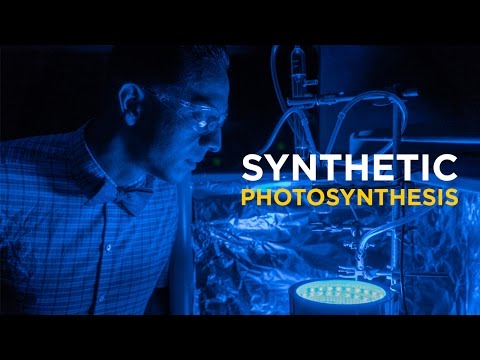
Attracting 898,848 views since April, the University of Central Florida release — describing an artificial photosynthesis process that cleans air while producing energy, complete with video — outperformed a 2012 announcement of trending releases from that year, which has clocked 886,820 visits in five years.

Sunshine State shines

The UCF release is also the most-shared release of 2017 and surpassed its 2016 predecessorby 116%.

Institutions in the Sunshine State also outshone hundreds of others by occupying three of the 10 trending releases this year. In second place, the Florida Museum of Natural History release explains how migratory birds are bumped off schedule as climate change shifts spring, while Florida Atlantic University took the sixth spot with a release about bilingual children’s ability to develop both languages.

Most popular

The 2017 trending list collectively captured 3.2 million views, a 44% increase over last year. Health-related releases occupy five spots, with climate change, biology, social and behavioral sciences, and astronomy rounding out the rest. Unlike recent years, where journal publishers and institutions from around the world competed for top billings, no journal publisher releases made the list this year – and eight out of the 10 most-read releases were from the U.S., with the remaining from the U.K.

“Several of this year’s trending releases – including our all-time record-breaker – were based on very technical scientific papers which, without the efforts of public information officers, may have attracted little public attention,” said Brian Lin, Director of Editorial Content Strategy at EurekAlert!.

“We’re also thrilled to see EurekAlert!’s international audience embrace such wide-ranging topics as gene therapyworkplace diversity trainingmigratory birds, and how aliens might detect Earth.”

The 10 most popular news releases on EurekAlert! in 2017 are:

  1. Scientist invents way to trigger artificial photosynthesis to clean air (898,848)
    University of Central Florida, Journal of Materials Chemistry A
  2. Migratory birds bumped off schedule as climate change shifts spring (484,976)
    Florida Museum of Natural History, Scientific Reports
  3. Gene therapy treats muscle-wasting disease in dogs (339,099)
    University of Washington Health Sciences/UW Medicine, Molecular Therapy
  4. America’s youngest children most likely to live in poor economic conditions (333,716)
    Columbia University’s Mailman School of Public Health
  5. New research helps organizations deliver stronger diversity training (288,700)
    University at Buffalo, Psychological Bulletin
  6. In young bilingual children 2 languages develop simultaneously but independently(268,129)
    Florida Atlantic University, Developmental Science
  7. Watching birds near your home is good for your mental health — official (247,763)
    University of Exeter, BioScience
  8. Fruits and vegetables’ latest superpower? Lowering blood pressure (140,145)
    University of Southern California – Health Sciences, American Journal of Physiology – Endocrinology and Metabolism
  9. Are we being watched? Tens of other worlds could spot the Earth (134,271)
    Royal Astronomical Society, Monthly Notices of the Royal Astronomical Society
  10. Scientists find key to regenerating blood vessels (132,145)
    Sanford-Burnham Prebys Medical Discovery Institute, Nature Communications

Most shared

Three of the five most-shared releases are also among the most-visited, including a report showing that “more American children are living in poverty today than at the height of the Great Recession.”

Also popular on social media is a release describing new techniques used to reveal the genderof a mid-10th century Viking warrior, whose iconic grave was excavated in the 1880s.

The five most-shared items on EurekAlert! in 2017 are:

  1. Scientist invents way to trigger artificial photosynthesis to clean air (1,300 shares; 1,800 clicks)
    University of Central Florida, Journal of Materials Chemistry A
  2. An officer and a gentlewoman from the Viking army in Birka (482 shares; 543 clicks)
    Stockholm University, American Journal of Physical Anthropology
  3. Cannabis reverses aging processes in the brain (427 shares; 713 clicks)
    University of Bonn, Nature Medicine
  4. America’s youngest children most likely to live in poor economic conditions (352 shares; 104 clicks)
    Columbia University’s Mailman School of Public Health
  5. Migratory birds bumped off schedule as climate change shifts spring (342 shares; 698 clicks)
    Florida Museum of Natural History; Scientific Reports

Social media sharing via AddThis in 2017 totaled 290,900, below 2016 level. Twitter, Facebook, and E-mail remain the preferred methods.

More than 32,000 news releases were accepted onto EurekAlert! in 2017, a nearly 9% increase from 2016. Each release was reviewed against the service’s longstanding eligibility guidelines.

All news releases were submitted by accredited research institutions, peer-reviewed journals, or their press agents and made available to registered science reporters and the public. The annual EurekAlert! trending news release list was compiled based on the number of public and reporter visits to news releases between 16 December 2016 and 15 December 2017.