
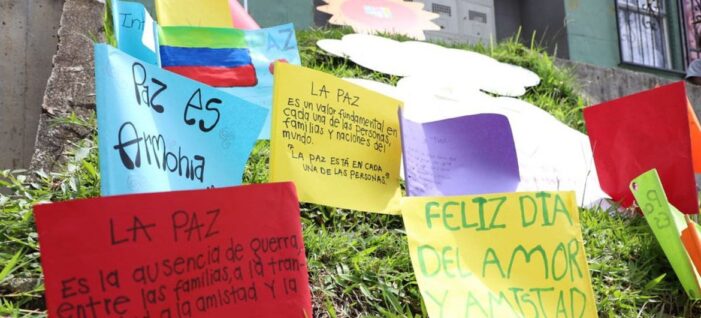
UN Secretary-General António Guterres has called for a renewed global push to end wars and divisions, stressing that “peace cannot wait” as the world observes the International Day of Peace.
“Lives are being ripped apart, childhoods extinguished, and basic human dignity discarded, amidst the cruelty and degradations of war,” Mr. Guterres said in his message for the Day. “All they want is peace.”
He noted that modern conflict is no longer confined to battlefields, with its consequences spilling across borders, driving displacement, poverty, and instability. “We must silence the guns. End the suffering. Build bridges. And create stability and prosperity,” he urged.
Theme Calls for Collective Action
The International Day of Peace was first established by the UN General Assembly in 1981 as a day devoted to non-violence and ceasefire. This year’s theme, Act Now for a Peaceful World, emphasizes the need for urgent action to prevent conflicts, counter hate and disinformation, and strengthen peacebuilding efforts, particularly through the involvement of women and young people.
Mr. Guterres underscored the close relationship between peace and sustainable development, pointing out that nine of the ten countries lagging most in development are also plagued by conflict. He warned against racism and dehumanisation, advocating instead for “the language of respect” and dialogue.
The observance comes on the eve of the UN General Assembly’s annual high-level week, where leaders from across the world gather in New York to debate pressing global challenges, from ongoing wars and climate disruption to gender equality and the risks and opportunities posed by artificial intelligence.
“The timing underlines the need for a concerted international push for peace, as divisions widen and instability grows,” the Secretary-General said. Concluding his message, he reminded nations and communities alike: “Where we have peace, we have hope. Peace cannot wait — our work starts now.”
UNDP: Peace and Development Intertwined
In a statement issued the same day, UNDP’s Acting Administrator Haoliang Xu stressed that peace is the foundation of development. Xu highlighted that in 2024, governments spent approximately US$2.7 trillion on military budgets, while only a small fraction—about US$47.2 billion, was allocated to peacebuilding and prevention efforts.
UNDP further argued that development actors are crucial partners in stabilisation: by investing in justice, governance, and inclusive institutions, and by supporting women and youth roles in conflict-affected regions, peace becomes more durable.
Civil Society Voices
Labour unions, non-governmental organisations, and other civil society actors underscored that peace is not simply the absence of war but requires fairness and equality.
For example, Unifor, a large Canadian trade union, released a statement affirming that peace must rest on dignity, justice, and human rights. The union observed that civilians—in particular workers, health care personnel, families, children—bear disproportionate burden during conflicts. Unifor called for ceasefires, de-escalation of violence, and increased support for humanitarian and development agencies.
These actors also spoke out against trends of rising militarisation at the expense of essential services—health, education, housing—and warned that neglect in these areas undermines long-term peace and stability.
Beyond the UN Secretariat and civil society, organisations that represent countries or regions emphasised that peace must go hand in hand with democracy, human rights, and inclusion.
The Community of Democracies (CoD) reaffirmed its commitment to the UN’s Sustainable Development Goals (SDGs), particularly SDG 16 (peace, justice, and strong institutions). Its Secretary-General Thomas E. Garrett stressed that sustainable peace requires the meaningful participation of women, youth, and marginalized groups, and that democratic governance bolsters efforts toward reconciliation and enduring peace.
Several member states (implicitly through these organisations and joint statements) echoed that investing in peace-building, prevention, and inclusive development is not merely moral but pragmatic: peace is foundational to stability, prosperity, and human wellbeing.
Also Read: London’s Far-Right Rally Sends Shockwaves Through South Asian Communities

‘Warring world crying out for peace’ says UN chief as leaders gather in New York added by Arun Kumar N on
View all posts by Arun Kumar N →