
AAA expects heavy return traffic on Sunday and Monday. Here is what families can check before leaving and what U.S. refund rules say if an airline cancels.
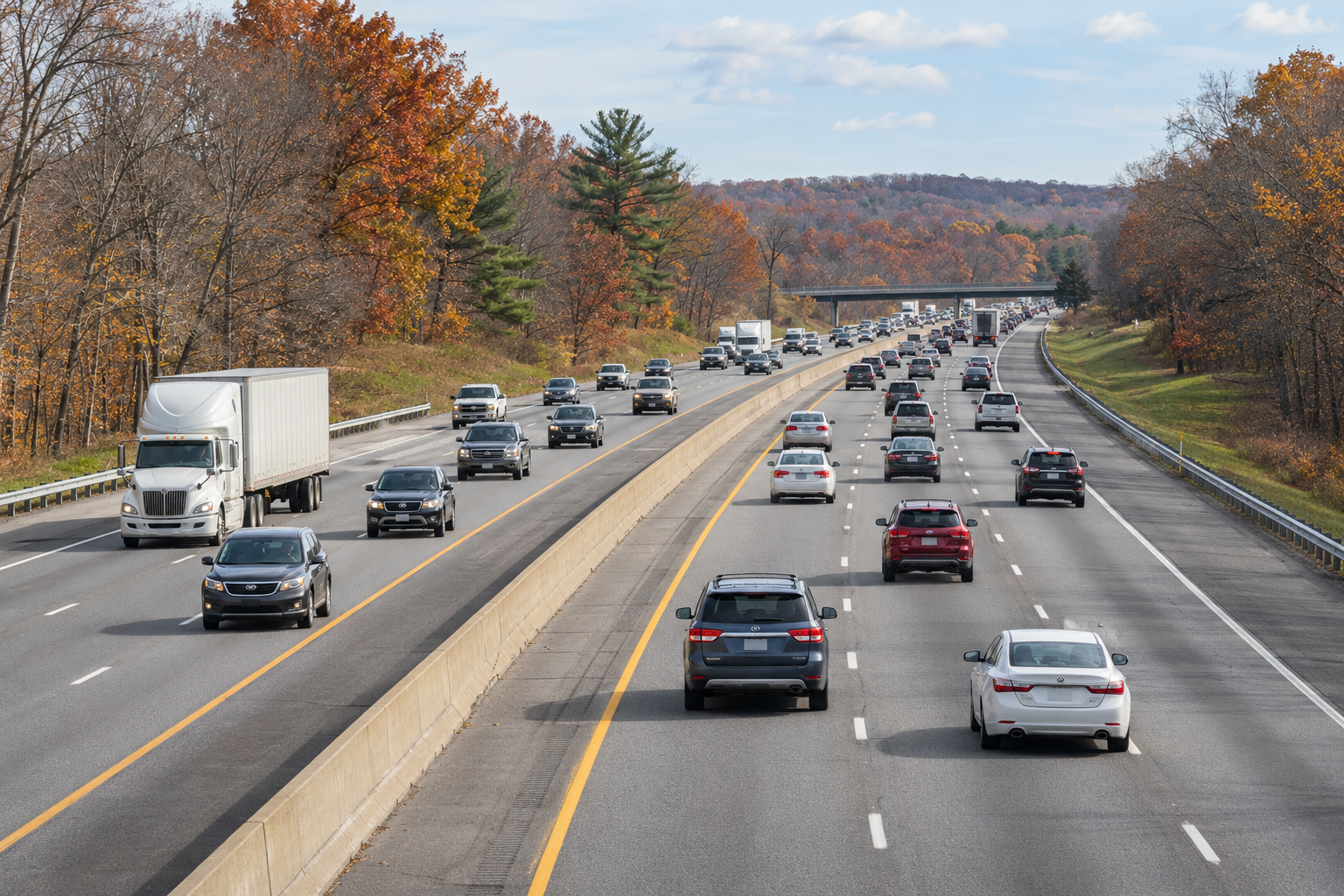
Families returning from Thanksgiving visits on Sunday, 29 November, face a long afternoon of predicted road congestion. Traffic data firm INRIX, in a forecast published by AAA, identified noon to 8 p.m. local time as Sunday’s busiest national window, with trips before 11 a.m. generally better placed. It also expects heavier Monday traffic between 2 p.m. and 7 p.m. The forecasts describe broad patterns. Conditions on any particular route can change with weather, crashes or road work.
AAA projected that 81.5 million Americans would travel at least 50 miles from home over the seven days ending Monday, 30 November. About 72.9 million were expected to go by car. These are projections for the full holiday window, including departures before Thanksgiving and trips still to be made. They are useful for anticipating pressure on roads and terminals, but they are not counts of how many people had travelled by Saturday.
A family driving to catch a flight should account for two trips. The first is the drive, whose duration can vary by route and time. The second runs from arriving at the airport to reaching the gate. That can include parking or a rental return, checking bags and waiting for security. These are distinct sources of delay. Leaving home earlier can help with the first one, and checking the terminal and airline’s bag-drop cutoff helps with the second.
Post-storm cleanup
The post-storm cleanup and power restoration across parts of the U.S. East Coast is likely on Saturday. That report does not establish that an individual road, train or flight will be affected on Sunday. A traveller checking on a parent or student making the trip alone can ask for the route or flight number and look at updates for the specific trip. For roads, use current alerts from the state or local transport agency. For flights, look for the carrier’s latest status and check whether the itinerary has actually changed.
A delay can also present a choice between accepting new transport and taking a refund. The U.S. Department of Transportation says an airline cancellation or a qualifying significant change can trigger a refund when the passenger declines alternative transportation or other compensation. For time-based changes, the agency’s thresholds include arrival at least three hours later on a domestic itinerary or at least six hours later on an international one. Other types of significant changes can qualify. The original and revised itineraries help establish the difference.
For a traveller connecting to India, verify whether the onward flight is on the same ticket before deciding whether to accept a proposed change. A separate booking may have its own terms. Keep the revised confirmation and check the new overnight date if applicable.
The same attention to the seller and itinerary applies to the booking and cancellation choices facing U.S.–India travellers. Earlier departure may make a road trip easier, while an airline cancellation calls for a decision about getting home and what happens to the fare. A national congestion forecast can inform the first decision. The actual booking and the carrier’s offer inform the second.