
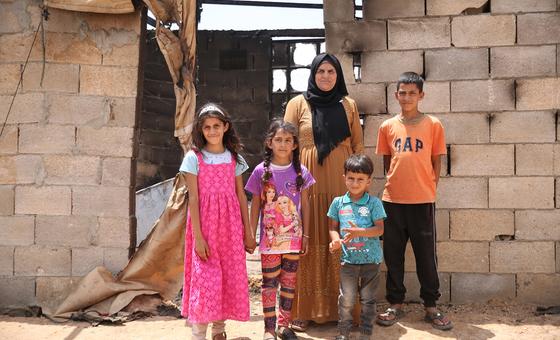
Fresh waves of violence in Sudan and neighbouring South Sudan are pushing fragile communities into deeper crisis, with attacks on towns, health facilities and aid infrastructure forcing thousands to flee and leaving humanitarian agencies scrambling to respond.
Over the past week, conflict has intensified in Sudan’s North Kordofan state, where more than a dozen attacks were reported around the towns of El Obeid, Bara, Rahad and Um Rawaba. The violence is part of a broader deterioration in security conditions across several regions already battered by prolonged conflict.
Attacks Spread Across Kordofan
In South Kordofan, suspected drone strikes targeted health facilities in Kadugli, the state capital, as well as in the town of Kuweik. According to early reports, the strikes killed at least four medical workers and injured more than 20 others.
Aid officials say the attacks on medical infrastructure have further strained already fragile health services in the region. Hospitals and clinics have struggled to cope with rising casualties while dealing with shortages of medicine, equipment and trained staff.
The renewed violence has also raised alarm among international observers. A recent report by the United Nations Human Rights Office warned that systematic attacks against civilians in Sudan’s Darfur region during late 2025 may amount to crimes against humanity.
Displacement And Humanitarian Needs Rising
The escalating fighting is triggering fresh displacement across several parts of Sudan.
UN Secretary-General spokesperson Stéphane Dujarric said the violence was forcing large numbers of people to abandon their homes and seek safety elsewhere.
“The violence is triggering a new wave of displacement, with reports of many fleeing homes and in need of food, health care and protection,” he said during a briefing on Friday.
Humanitarian agencies say the situation is particularly worrying in the towns of Dilling and Kadugli, where conditions continue to deteriorate. Aid groups have warned that without immediate access to affected areas, relief operations will struggle to meet growing needs.
Drone strikes have also damaged telecommunications infrastructure, commercial vehicles and major transport routes. The disruptions have slowed the movement of humanitarian supplies and staff, complicating efforts to deliver aid.
The United Nations has urged all parties involved in the conflict to ensure the protection of humanitarian facilities and to allow safe and unhindered access for relief operations.
Violence Spills Into South Sudan
Meanwhile, the humanitarian outlook in South Sudan is also worsening.
Since late December 2025, violence has surged across northern and central regions of the country, according to the UN children’s agency UNICEF.
In Jonglei state alone, at least 280,000 people have been displaced by the fighting. Aid officials say most of those forced to flee are women and children.
Many families have sought refuge in displacement camps originally set up during earlier phases of South Sudan’s civil war. Others are sheltering in remote areas with little or no access to basic services.
Children account for more than half of the displaced population. UNICEF warns that many of them face grave risks, including recruitment by armed groups, family separation and gender-based violence.
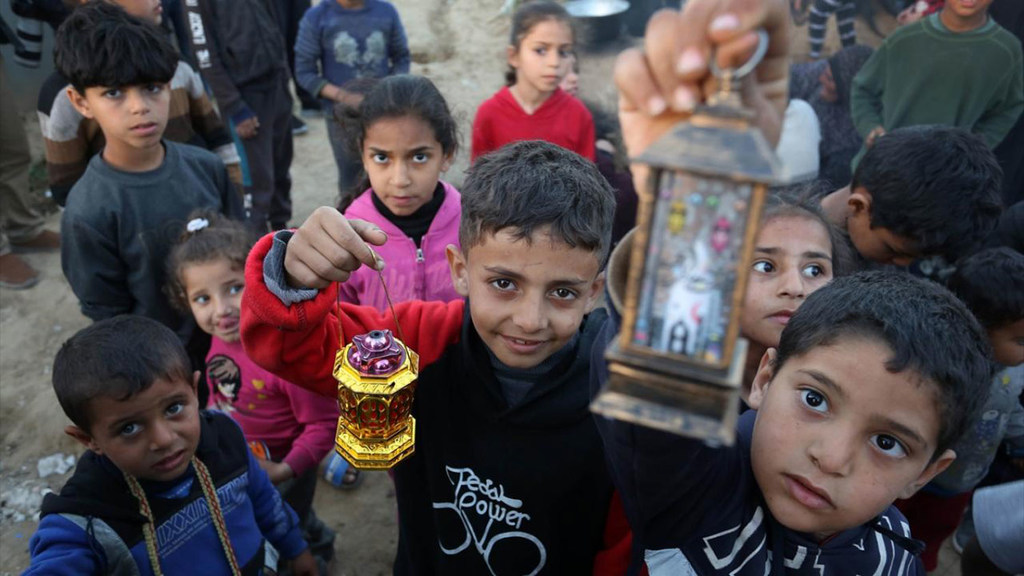
Children in Gaza hold lanterns to celebrate the advent of Ramadan. (file)
Health System Near Collapse
The continuing violence has pushed South Sudan’s already fragile health system to the brink.
UNICEF says at least 11 health facilities have been attacked or looted since the latest surge in fighting began. Several nutrition centres have also been forced to shut down.
At the same time, a cholera outbreak has added further strain. Nearly 500 cases have been reported nationwide, overwhelming treatment centres and stretching limited medical resources.
Aid agencies estimate that about 825,000 children in Jonglei, Unity and Eastern Equatoria states are now at risk of acute malnutrition. Without urgent treatment, severely malnourished children face dramatically higher mortality risks.
Despite the challenges, humanitarian organisations continue to operate health, nutrition and child protection programmes in several parts of the country.
Global Appeal For Peace During Ramadan
Against the backdrop of these crises, UN Secretary-General António Guterres has urged the international community to embrace unity and compassion as Muslims around the world prepare to observe the holy month of Ramadan.
He described Ramadan as a time of reflection and hope, but acknowledged that for many people living in conflict zones—from Gaza and Yemen to Afghanistan and Sudan—peace remains elusive.
“For Muslims around the world, the holy month of Ramadan is a sacred period of reflection and prayer. Ramadan also represents a noble vision of hope and peace.” Mr. Guterres said in a message ahead of the start on Tuesday. “May this Holy Month inspire us to work as one to build a more peaceful, generous and just world for all people,” he said.
Calling for greater solidarity, Guterres urged governments and humanitarian actors to work together to bridge divisions, deliver aid to vulnerable communities and uphold the dignity and rights of people affected by war.
He expressed hope that the spirit of Ramadan would inspire renewed efforts to build a more peaceful and just world.

World News in Brief: Deadly strikes in Sudan, Guterres calls for unity ahead of Ramadan added by Arun Kumar N on
View all posts by Arun Kumar N →