
The heart continuously pumps blood throughout the body, requiring a reliable energy supply to sustain its activity. However, maintaining this energy flow can become difficult during serious cardiovascular conditions, including heart failure. Researchers at University of Utah Health have now identified a cellular mechanism that allows the heart to use two carbohydrate-based energy sources simultaneously, potentially helping it maintain function under stress.
Most human tissues experience a metabolic trade-off when using glucose and lactate. Increasing the use of one fuel source can make it more difficult for cells to use the other. The heart, however, can process both at the same time through a distinctive arrangement within its cells.
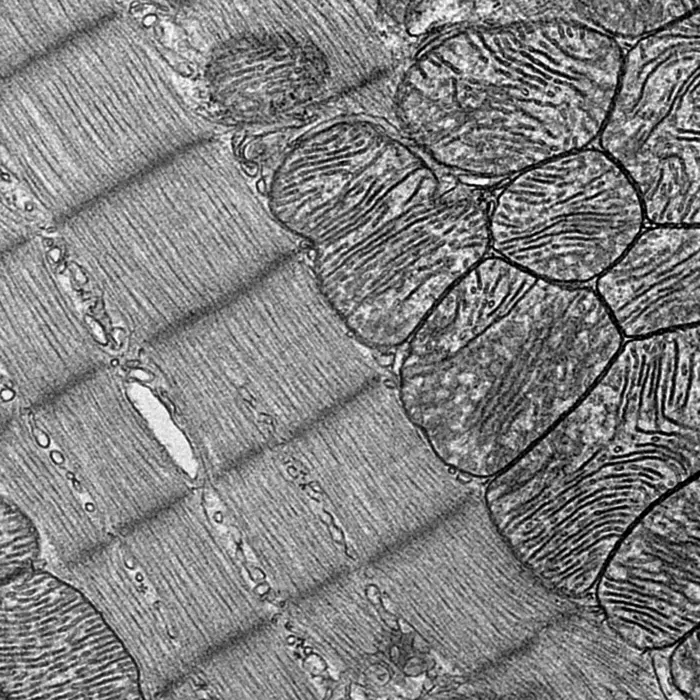
The newly identified mechanism allows heart muscle cells to break down glucose in the cytosol, the main body of the cell, while processing lactate inside the mitochondria, which generate energy for cellular activity. By separating these processes into different cellular compartments, the heart can obtain energy from both sources simultaneously.
The findings, published in Nature, suggest that this metabolic arrangement serves as an important backup system when the heart faces increased demands or injury.
“This appears to be a critical backup system for heart function,” says Gregory Ducker, PhD, assistant professor of biochemistry at University of Utah Health and senior author of the study. “In an emergency, we would really, really rely on this.”
MCT1 Helps Transport Lactate Into Heart Cell Mitochondria
The researchers identified a molecule called MCT1 as a key component of this process. MCT1 transports lactate into the mitochondria, allowing heart muscle cells to use it as an additional energy source while glucose metabolism continues in the cytosol.
The team found that genetic mutations affecting MCT1 can prevent lactate from entering the mitochondria. This disruption interferes with the heart’s energy balance and can lead to heart failure when the organ experiences stress.
Although the pathway may not be essential for everyday heart function under normal conditions, the findings indicate that it becomes particularly important when the heart is under pressure. The ability to use lactate as fuel may help heart muscle maintain its energy supply when facing injury or increased demands.
The discovery also identifies a previously unrecognised requirement for lactate metabolism in supporting an injured heart. Understanding how this pathway operates could help researchers identify new therapeutic targets for cardiovascular diseases.
Discovery Could Support Future Heart Failure Treatments
The findings offer a potential direction for developing treatments that improve the heart’s ability to generate energy and recover from damage. Rather than focusing exclusively on conventional energy sources, future therapies could explore ways to enhance lactate utilisation in heart muscle cells.
“Our findings help point to new areas in which we could target the heart muscle to benefit and repair itself by allowing it to use lactate better,” Ducker says. “That’s the long-term goal: to help the heart muscle heal.”
The research could have implications for patients experiencing heart failure or heart attacks, conditions in which the heart muscle’s ability to maintain adequate energy production is compromised.
“Rather than simply releasing lactate into the bloodstream as a waste product, we may be able to enhance the heart’s ability to use it as a valuable source of energy,” says Stavros Drakos, MD, PhD, professor of medicine at University of Utah Health and co-senior author of the study. “By optimizing this process, we could potentially improve heart muscle function in patients suffering from heart failure or heart attacks.”
Read More :
 Sridhar P