
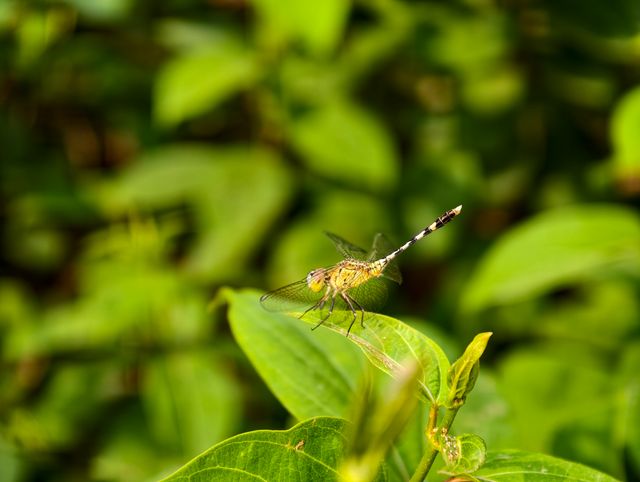
Dragonflies feed on a wide range of insects, including other migrating species and smaller dragonflies, as they travel south during autumn, according to new research from the University of Exeter. The findings reveal a complex aerial food web in which migrating insects become both predators and prey.
The study examined two dragonfly species at the Pass of Bujaruelo in the Pyrenees, a narrow 30-metre gap between two high peaks through which millions of insects migrate every year. By analysing DNA recovered from the insects’ guts, researchers identified 87 different prey species, offering new insight into the feeding relationships that develop along migration routes.
The research was published in the journal Ecography under the title “Migratory insect flows structure trophic interactions in dragonfly diets.”
DNA Analysis Reveals a Diverse Diet
The researchers studied two species, the lesser emperor and the common darter, both of which are known to catch prey while flying. They captured dragonflies at the mountain pass and examined their gut contents using DNA metabarcoding, a technique that identifies organisms through genetic material.
The analysis found that flies, belonging to the order Diptera, appeared in every dragonfly examined and accounted for the largest share of their overall diet. It also showed that 90% of lesser emperor dragonflies and 70% of common darters had consumed species known to migrate.
Among the prey were agricultural pests such as the bean seed fly, suggesting that dragonflies may also play a role in controlling insects that affect crops. Some lesser emperors had consumed larger migrating insects, including clouded yellow butterflies.
The findings show that dragonflies do not simply travel alongside other insects. They actively feed on species moving through the same migration corridor.
Dragonflies Also Prey on Their Own Kind
One of the most unexpected findings was the frequency of cannibalistic feeding among the lesser emperor dragonflies. Their diets included smaller common darters, indicating that predation also occurs between dragonfly species during migration.
“We know that dragonflies prey on each other as nymphs (a juvenile stage when they live in water) but we didn’t expect this interaction to appear so consistently in adults travelling along the same route,” said Dr Karl Wotton.
The researchers found that almost all gut samples from lesser emperors contained smaller darter dragonflies. This suggests that the migration route brings together different-sized predators and prey, creating opportunities for interactions that may otherwise be less common.
Migration Creates an Aerial Food Web
The findings challenge the idea that insect migration is simply a movement of species from one region to another. Instead, large concentrations of migrating insects create feeding opportunities and connect different species through predator-prey relationships.
“We tend to view migrations as a stream of animals moving – but we don’t often consider the interactions between them,” said Dr Eva Jimenez-Guri, from the Centre for Ecology and Conservation at the University of Exeter’s Penryn Campus in Cornwall.
“Our findings show that migration concentrates many species, creating new opportunities for predators and prey to interact.”
Wotton added: “Our results reveal multiple levels of predators and prey travelling together. This is not simply a stream of insects moving south. It is part of a much larger food web moving through the sky.”
Read More :