
This is another reason I love Japanese popular matcha: a mouse study states that the green tea powder might decrease the necessity to sneeze in persons with nasal allergies.
Matcha is a clear green powder created by the dried and grounded leaves of green tea, which have been particularly grown. It is consumed as a tea beverage, and also as a flavouring ingredient in a large variety of commodities. It has been demonstrated that tea has been found to have high concentrations of biologically active compounds, which include antioxidants and amino acids, and its use is associated with numerous health benefits, including better heart and brain functioning, and decreased inflammation.
Hiroshima University in Japan was especially interested in matcha effects on people with allergic rhinitis (also called hay fever) especially by Professor Osamu Kaminuma, of the Research Institute of Radiation Biology and Medicine. There is no clear understanding of the mechanism of action of green tea on allergic rhinitis despite human studies being in the process of pointing out that it can help relieve allergic rhinitis.
Kaminuma and colleagues published an early access article in NPJ Science of Food on March 5 stating that mice with symptoms of hay fever were fed matcha tea in 2-3 doses weekly over a period of greater than five weeks and a second dose of tea 30 minutes prior to allergen exposure to instigate symptoms of allergic rhinitis.
Matcha treatment reduced allergy in mice
The group discovered that the sneezing of the mice was significantly reduced than anticipated with matcha treatment but what was found to be more interesting was that the matcha did not seem to influence the allergenic reactions of immunoglobulin E (IgE), mast cells, and T cells.
The role of IgE antibodies attaching to mast cells is central to the process of an allergic reaction and the subsequent release of histamine and other inflammatory chemicals. The initial part of the allergic response is mediated by mast cells, whereas the T cells mediate more prolonged immune responses, such as the production of IgE.
Oral matcha suppressed sneezing without a definite alteration of key immune parameters. It instead had a strong suppressive effect on brainstem neuronal activation associated to sneezing reflex, Kaminuma explained.
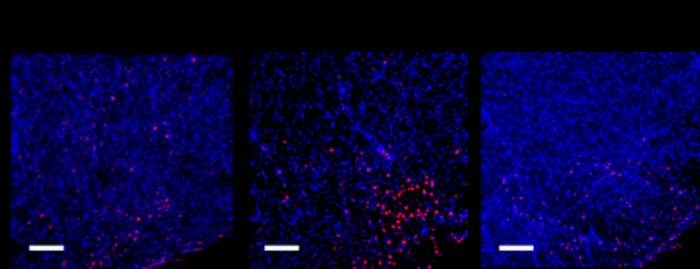
The activity of a gene, c-Fos-indicator of neurological and behavioural reactions to a strong stimulus such as exposure to an allergen causing hay fever was studied in the ventral spinal trigeminal nucleus caudali or the part of the brain associated with sneezing. They discovered that, the mice were in a state of hay fever; the c-Fos gene expression was high but this was reduced nearly to normal by medication with matcha.
The second thing to do is to research as to whether these effects are present in humans as well. Kaminuma said: The aim is an evidence-based, food-based alternative that includes typical care of the symptoms of allergic rhinitis.
Read More:
What’s ‘Manohari’ tea? Just sold at Rs.1.15 lakh per kg in auction
Daily 4 cups of black or green or Oolong tea can cut diabetes risk by 17%

Could a hot cup of matcha dial down the ‘sneeze switch’ in allergic rhinitis? added by Sridhar P on
View all posts by Sridhar P →