
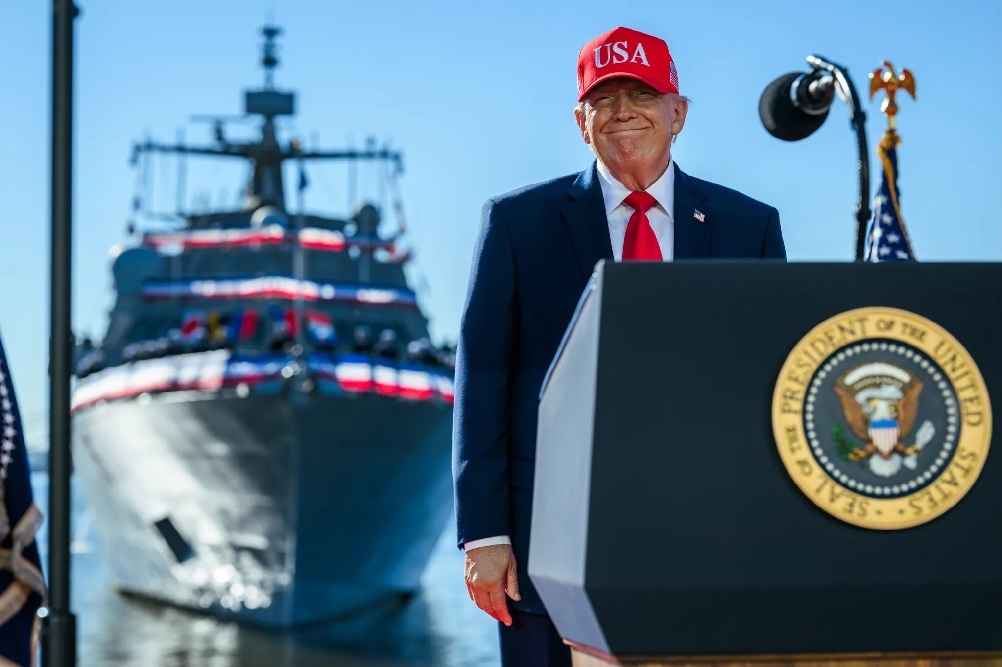
Trump signed an executive order late Friday, October 16, waiving the application of sanctions, restrictions and duties under the Lindsey O. Graham Sanctioning Russia and Iran Act of 2026, just days before the measures were due to take effect. He told Congress that the decision was in the national interest of the United States.
“I am hereby waiving the application of such sanctions, restrictions, and duties provided for in the Graham Act,” Trump said in the order.
The decision offers short-term relief to India, which has faced repeated US trade pressure over its purchases of Russian crude since Moscow launched its full-scale invasion of Ukraine in February 2022. However, the suspension does not rule out the possibility of Washington reviving the measures later.
The law authorised Trump to impose tariffs of up to 100% on goods from major buyers of Russian oil and gas, including India, China, Slovakia, Hungary and Azerbaijan. It also provided for additional sanctions against Russian officials, financial institutions and energy interests.
The deadline for implementing the measures was approaching on October 18, placing the administration under pressure to decide whether to activate a sanctions framework that could have disrupted trade with major energy-importing economies, including India.
India had warned of trade fallout
The suspension averts an immediate risk to Indian exporters at a time when New Delhi and Washington are seeking to stabilise their trade relationship. India had warned that additional penalties over Russian oil purchases could affect bilateral ties and disrupt international energy markets.
India has defended its Russian crude imports on energy-security grounds, arguing that diversified sourcing and changing market conditions are essential to meeting the needs of its 1.4 billion people.
The potential tariffs would have applied to goods entering the US from targeted countries, rather than exclusively to Russian oil shipments. This meant Indian manufacturers and exporters could have faced higher costs and reduced competitiveness in the American market.
The suspension does not, however, guarantee permanent protection from future tariffs. Under the law, the waiver remains in effect until Trump or senior administration officials determine that further action is appropriate. The president retains discretion over whether to activate the measures later.
Trump faces criticism over Russia policy
The decision comes amid criticism of Trump’s increasingly conciliatory approach towards Moscow, including his recent agreement with Russian President Vladimir Putin on diesel supplies.
Trump said Russia would initially supply more than 300,000 tonnes of diesel, with additional shipments planned in subsequent months. The deal drew criticism from lawmakers who argued that easing restrictions on Russian energy exports could help finance Moscow’s war against Ukraine.
US Representative Don Beyer criticised the sanctions waiver, accusing Trump of weakening pressure on Putin and undermining support for Ukraine.
“Trump’s latest surrender to Putin again betrays our Ukrainian partners and defies clear congressional intent of legislation designed to punish Russia for its illegal war of aggression,” Beyer said.
The sanctions package was designed to increase economic pressure on Russia over its invasion of Ukraine, which began in February 2022. It targeted Russian officials, banks and energy interests while authorising steep tariffs against countries continuing to purchase Russian oil and gas.
Trump’s decision to suspend the measures exposes a tension between Washington’s stated objective of restricting Moscow’s revenue and its domestic interest in containing energy prices. The threat of higher tariffs on major oil buyers also risked complicating relations with countries that remain important to global energy trade.
For India, the immediate danger of an additional tariff shock has receded. But the broader uncertainty remains: Washington has retained the option of using trade penalties to pressure countries over their energy ties with Russia, leaving Indian exporters exposed to a possible reversal in US policy.
 Shelton Rozario