

What candidates will learn
The announced focus is practical work on the Pega Platform. In enterprise software, that can involve building a workflow that routes a customer request to the right team, sets deadlines for each step and records who approves the outcome. Those tasks help explain the link between the state’s AI training ambitions and the specific software named in the announcement. Training on an enterprise platform can cover where an AI feature fits into a business process alongside the rules, data and staff decisions that keep the process running.
Pega Academy’s existing System Architect credential illustrates what one of the company’s entry-level qualifications covers. Its published exam has 60 questions, lasts 90 minutes and requires a score of 65% to pass. Case management accounts for 25% of the exam and Pega generative AI topics account for 10%. The case management material includes setting up stages, routing assignments and configuring approvals. The AI material covers using the company’s tools to design applications or add AI features to them. The Karnataka announcement did not identify the exact credential the 2027 cohort will sit, so those exam figures describe Pega’s existing offering.
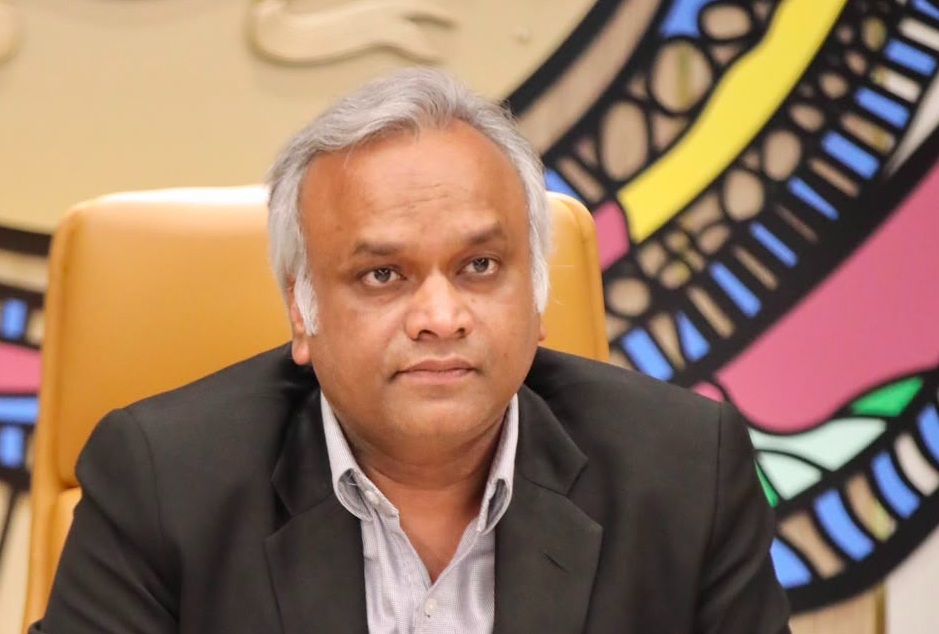
Karnataka minister Priyank Kharge said the partnership would give candidates access to “globally relevant technology skills and certifications.” Deepak Visweswariah, managing director of Pegasystems India, said the initiative would use structured training and certification to develop professionals with practical knowledge of the software. The announced plan centres on hands-on instruction and assessment using the company’s platform.
How placement support will work
TecQubes will coordinate the next step for certified Karnataka candidates and ensure they participate in Pega’s placement sessions. The commitment gives candidates who complete certification a route into those sessions. The announcement did not specify how many employers would attend, how many vacancies would be available or whether participants would be considered for particular roles. The figure of 200 refers to the initial training cohort.
The state-wide plan also leaves questions about access. The partners said they would use three or four clusters but did not identify the districts, individual training centres or participating colleges. The published announcement does not say whether candidates will apply directly, be nominated by colleges or be selected through a test. Course duration, fees, exam costs and application dates were also unspecified. Students and engineers have been identified as the intended participants, with detailed eligibility criteria still to be released.
The training partnership follows separate state efforts to support technology development, including Karnataka’s deep-tech startup grants. The first cohort gives the partners a defined target for 2027. Training, certification and placement are separate stages of the programme. The initial announcement gives the number the partners intend to train. Neither the state nor the company disclosed programme budget or how costs would be shared. Certification results will show how many participants earn the credential, and placement figures, if released, will show how many of those candidates secure jobs.
 Shelton Rozario