
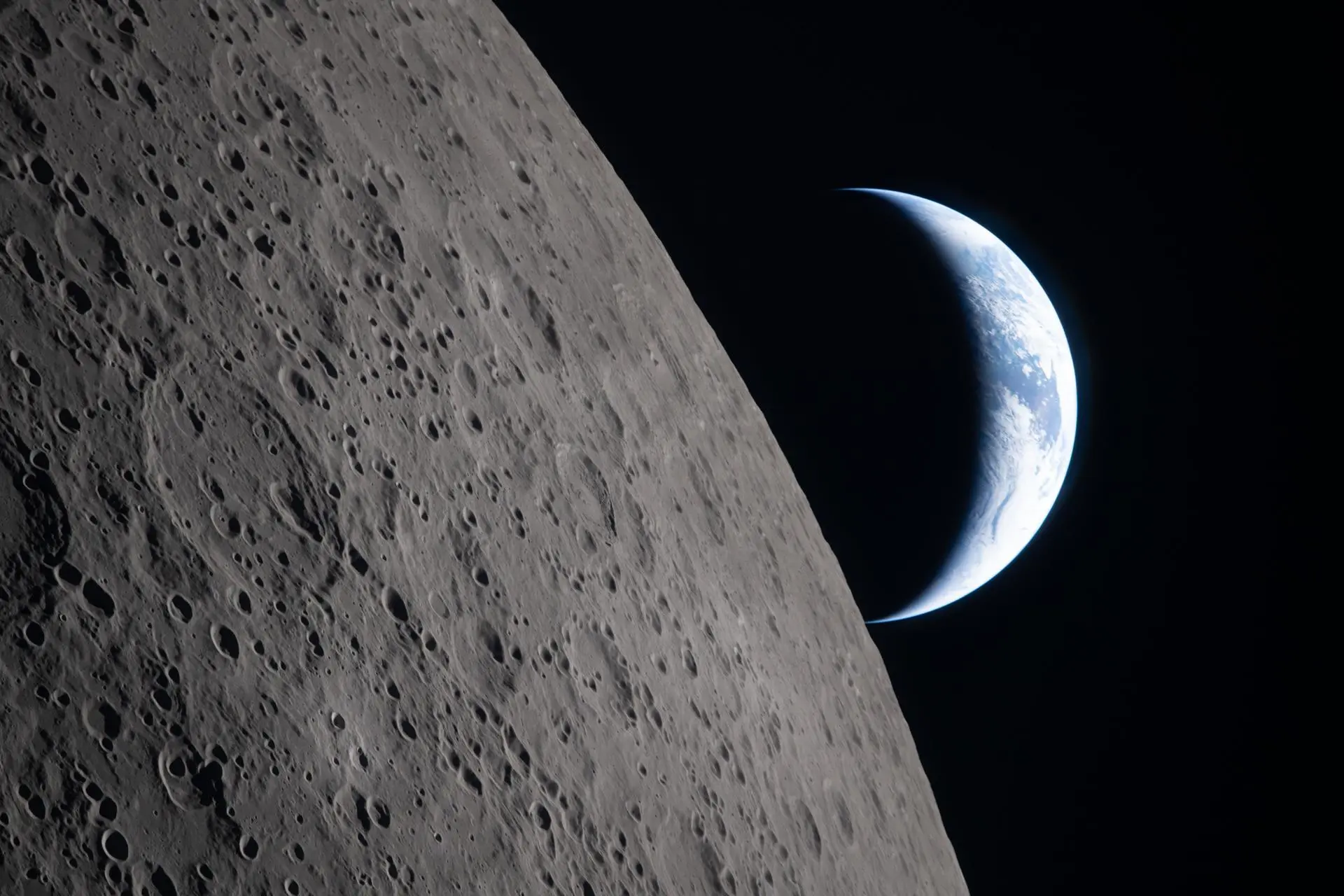
NASA will announce an update on its plans to return American astronauts to the lunar surface by 2028 during a briefing scheduled for October 23, 2026, at the agency’s Kennedy Space Center in Florida. The briefing will focus on accelerating the Artemis programme, the status of upcoming lunar missions and preparations for future human exploration of the Moon.
The media briefing is scheduled to begin at 2 p.m. Eastern Daylight Time (EDT). NASA Administrator Jared Isaacman, NASA Associate Administrator Amit Kshatriya and Jeremy Parsons, the agency’s Artemis programme manager, are expected to participate.
According to NASA’s media advisory, the update will include details about the Artemis III mission, which is planned to send four astronauts into low Earth orbit next year to test critical systems required for future lunar landings. The agency will also discuss progress towards its goal of returning American astronauts to the Moon by 2028.
The announcement comes as NASA continues to develop a series of increasingly challenging crewed missions intended to expand lunar exploration and establish a lasting human presence on the lunar surface.
NASA to Detail Artemis III Mission and Lunar Return Plans
Artemis III is a key part of NASA’s preparations for future crewed lunar landings. According to the agency’s announcement, the mission is expected to send four astronauts into low Earth orbit in 2027 to test critical systems needed for subsequent missions to the Moon.
The upcoming briefing will provide further information about the mission and explain how NASA’s broader plans for returning astronauts to the lunar surface by 2028 are progressing.
NASA’s Artemis programme aims to send astronauts on increasingly difficult missions near the Moon’s South Pole. Through these missions, the agency intends to explore more of the lunar surface than ever before while advancing the technologies and operational capabilities needed for sustained human exploration.
The programme also forms part of NASA’s longer-term ambitions for human spaceflight. In addition to supporting scientific discovery and delivering potential economic benefits, the agency intends to establish an enduring human presence on the Moon. The experience and capabilities developed through lunar missions will also help lay the groundwork for the first crewed mission to Mars.
NASA has described the Artemis programme as part of a broader period of innovation and exploration. The agency’s plans combine near-term missions to test essential systems with longer-term efforts to expand humanity’s presence beyond Earth.
The October 23 briefing is expected to outline the agency’s next steps and provide an update on the status of its upcoming missions.
How to Watch NASA’s Artemis Programme Briefing
NASA’s briefing will take place at the Kennedy Space Center in Florida on Friday, October 23, at 2 p.m. EDT. Members of the public can watch the event online through NASA’s official live-streaming page: https://www.nasa.gov/live.
The agency has also outlined arrangements for media representatives who wish to attend the event in person or ask questions remotely.
US media representatives seeking to attend in person were required to submit an application online by noon on Friday, October 16. Journalists wishing to participate remotely must request the dial-in number from the Kennedy newsroom at least one hour before the briefing begins.
Requests for remote participation can be sent to ksc-newsroom@mail.nasa.gov. NASA’s agency-wide media accreditation policy is also available online for journalists seeking further information about accreditation requirements.
The briefing will bring together senior NASA officials responsible for the agency’s administration and Artemis programme to discuss the status of its upcoming missions and its lunar exploration strategy.
As NASA works towards its 2028 target for returning American astronauts to the Moon, the agency’s plans include testing critical systems, undertaking increasingly complex missions near the lunar South Pole and developing the capabilities needed for a sustained human presence beyond Earth.
Read More :
 Sridhar P
 Arun Kumar N