
Iran has handed Donald Trump a nuclear proposal but attached conditions that could make an agreement almost impossible, confronting the US president with a stark choice after his party’s crushing midterm election defeat: negotiate from a weakened political position or resume a war that American voters have increasingly turned against.
The proposal, delivered through Qatar on November 5, came as the White House weighed fresh military operations against Iran. Tehran has demanded that Washington satisfy seven conditions before formal negotiations can begin, including sanctions relief, the release of frozen Iranian assets and compensation for wartime damage.
The timing is politically explosive. Democrats have captured both chambers of Congress in the November 3 elections, turning the eight-month Iran war into a major test of Trump’s remaining political authority. The president retains command of the US military, but his ability to sustain a prolonged conflict without mounting domestic resistance has diminished.
On Thursday, Trump indicated that military escalation remained an option.
“Now we will make a decision,” he told reporters at the White House. “Do we want to go further? I would rather not destroy the rest of the country if possible, but maybe I will have to. You’ll know soon enough.”
The remarks left open the possibility of renewed strikes even as Qatar and other regional intermediaries intensified diplomatic efforts.
Iran’s seven demands collide with Washington’s nuclear agenda
A senior Iranian official told Reuters that Tehran had transmitted a nuclear proposal to the United States through Qatar and that Washington was reviewing it. The official did not disclose the proposal’s technical details.
The difficulty lies in the order of negotiations.
Iran wants Washington to meet its political and economic conditions before substantive nuclear discussions. The United States insists that nuclear restrictions must form part of the opening negotiations.
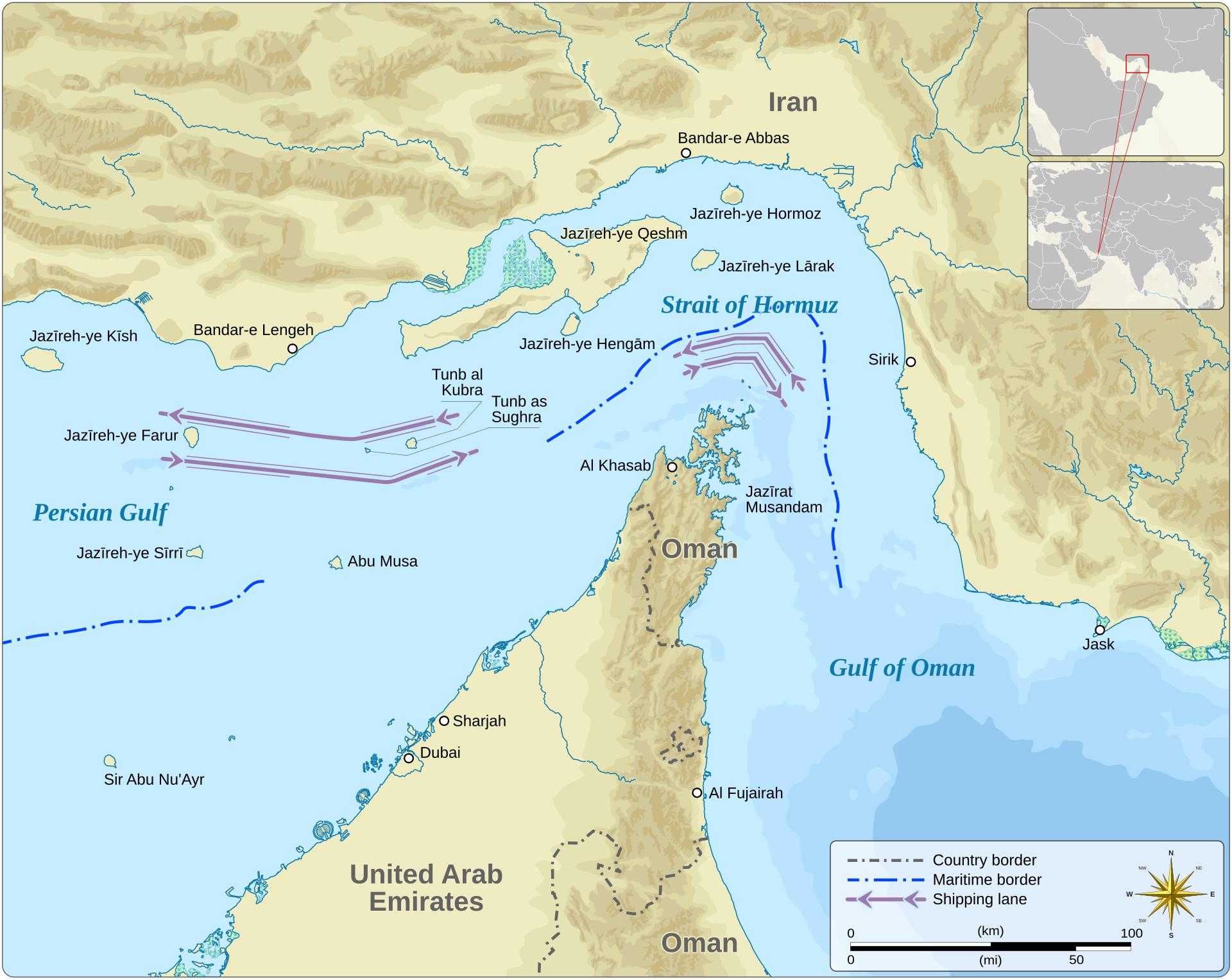
Iranian security official Mohsen Rezaei, speaking during a visit to Russia on November 5, made clear that Tehran would not reopen the Strait of Hormuz or begin negotiations until its conditions were fulfilled.
The dispute is more than diplomatic positioning. The Strait of Hormuz remains one of the world’s most important energy corridors, and disruption to commercial shipping has magnified the war’s economic consequences far beyond the Middle East.
Iran’s conditions include lifting US sanctions, releasing frozen overseas assets and providing war reparations. The complete details of all seven demands have not been publicly established in the latest reporting.
Washington, meanwhile, wants restrictions that would prevent Iran from rebuilding capabilities that could support a nuclear weapons program.
These are fundamentally different starting points. Tehran is seeking economic and security concessions before negotiations. Washington wants nuclear commitments as part of the initial bargain.
Neither side has publicly announced a breakthrough.
The conflict began on February 28, when the United States and Israel launched attacks on Iran. Tehran retaliated against Israel and Gulf states hosting American military facilities.
The confrontation subsequently expanded to Lebanon, where Israel and Hezbollah have fought, and Yemen, where Iran-aligned Houthi forces have attacked targets in Saudi Arabia.
That regional expansion has complicated efforts to negotiate a settlement confined to Washington and Tehran.
Midterm defeat changes Trump’s military calculations
The Republican defeat has created competing pressures inside the White House.
Trump could seek a diplomatic agreement that allows him to declare the military campaign successful. Alternatively, he could authorize additional strikes in an attempt to force concessions from Iran.
A third option would involve maintaining economic and military pressure without immediately launching another major operation.
None offers a guaranteed result.
Axios reported that the US military was completing preparations for a possible resumption of major combat operations, while Qatari mediators were simultaneously working to secure support for a draft agreement.
The report also described divisions within Trump’s circle, with Vice President JD Vance favoring a negotiated exit rather than another military escalation.
Vance has linked the Iran conflict to Republican electoral losses, reflecting growing concern that the war has damaged the administration’s domestic agenda.
The economic consequences have been particularly significant.
Higher energy prices have added to household expenses, giving Democrats a powerful argument that the administration’s foreign policy has contributed to America’s cost-of-living problems.
Trump has acknowledged the war’s political impact while continuing to defend the campaign.
The incoming Democratic majorities will have greater scope to investigate military decisions, scrutinize expenditure and challenge additional funding requests.
However, the new Congress does not take office until January 2027. Until then, Republicans retain their existing congressional authority, leaving Trump a window in which he could order further operations before facing a more hostile legislature.
Even after January, Democrats would confront constitutional limits on their ability to restrict presidential military decisions. Congress can exercise substantial control over appropriations and oversight, but ending a conflict against the president’s wishes could require difficult legislative confrontations.
The immediate question is therefore not whether Democrats can instantly stop the war. It is whether the election has made another escalation politically too expensive for Trump to sustain.
Iran appears to be testing that calculation.
Before the midterms, Reuters reported that Iranian officials believed prolonging negotiations could weaken Trump’s domestic position. The election outcome has now strengthened Tehran’s argument that Washington faces pressure to find an exit.
But that strategy carries serious risks.
American officials could interpret Iran’s demands as evidence that Tehran is unwilling to compromise, increasing the likelihood of another military confrontation.
For Gulf governments, the stakes are immediate. Renewed attacks could threaten energy infrastructure, commercial shipping and regional security.
For India, one of the world’s largest oil importers, the consequences could include higher crude import costs, greater shipping uncertainty and renewed pressure on inflation.
The Strait of Hormuz is particularly important because instability there can affect energy supplies even when oil production elsewhere remains available.
Diplomatic progress would therefore matter well beyond the two countries directly involved.
The next test is whether Qatar can translate Iran’s proposal into an agreed negotiating framework.
Washington has not publicly accepted Tehran’s conditions, and no comprehensive settlement has been announced.
Trump’s post-midterm dilemma remains unresolved: a new military campaign could deepen the domestic backlash, while accepting Iran’s demands could expose him to accusations of conceding too much after months of fighting.
For Tehran, the calculation is equally dangerous. Its negotiating leverage may have improved, but a misjudgment of Trump’s willingness to escalate could bring another round of devastating attacks.
The American election has changed the political environment surrounding the war. It has not removed the possibility of renewed fighting.