Lakes do far more than support fish, birds and recreation — they also act as crucial natural filters that remove excess nitrogen from water systems. However, new research led by scientists at the University of Basel and Eawag has found that climate change may significantly weaken this purification process, potentially triggering wider ecological consequences that extend to oceans and coastal regions.

The findings, published in the journal Nature Microbiology, highlight how rising temperatures and changing seasonal patterns could disrupt denitrification — a microbial process through which harmful nitrogen compounds are converted into harmless nitrogen gas and released into the atmosphere.
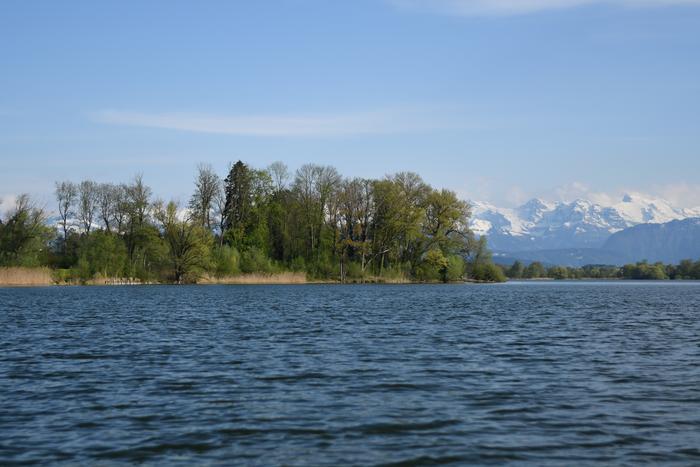
Researchers focused their study on Lake Baldegg, a lake considered representative of many temperate lakes that undergo complete annual water mixing. During winter, oxygen-rich surface water blends with colder, oxygen-poor deep water, creating conditions that strongly boost denitrification activity.
Scientists discovered that this nitrogen-removal process becomes nearly 50 per cent more active during winter mixing than during summer, when lake waters remain stratified in separate layers.
The study warns that climate change threatens this seasonal cycle. Under severe warming scenarios, winter mixing periods could shrink by nearly a month, sharply reducing the lake’s ability to naturally eliminate excess nitrogen.
Lead author Cameron Callbeck said the findings reveal how sensitive lake ecosystems are to seasonal shifts driven by global warming. Although researchers observed significantly higher denitrification during winter, they said the exact reasons behind the seasonal spike remain unclear.

The consequences could extend well beyond freshwater ecosystems. Lakes serve as vital checkpoints in the global nitrogen cycle by trapping and breaking down nitrogen before it reaches rivers and oceans. If this filtration weakens, more nitrogen could flow into marine ecosystems, fuelling toxic algal blooms, oxygen-depleted “dead zones,” and severe stress on fragile coastal habitats.
Professor Moritz Lehmann, senior author of the study, said even relatively small disruptions in lake mixing cycles could have measurable impacts on nitrogen cycling at both local and global scales.
To measure nitrogen removal, scientists combined isotope tracing experiments with full-lake modelling. Researchers introduced nitrogen molecules marked with the rare isotope nitrogen-15 into sediment samples, allowing them to track how efficiently microbes converted nitrogen compounds into nitrogen gas.
Their modelling results closely matched real-world measurements, confirming that winter acts as a major hotspot for nitrogen removal inside lakes.
The study also uncovered an important microbial partnership occurring within lake sediments. Certain bacteria break down chitin — a durable organic material originating from dead algae and tiny aquatic organisms. This process generates compounds that other microbes use as fuel to drive denitrification.
Researchers now plan to investigate whether these same microbial processes may also influence the production of nitrous oxide, a powerful greenhouse gas linked to nitrogen cycling in lakes.
climate change, lakes, purification function of lakes, purification of lakes
How Climate Change Weakens The Lakes’ Natural Ability To Purify Water added by Arun Kumar N on
View all posts by Arun Kumar N →
