
Colorectal cancer has emerged as the leading cause of cancer-related deaths among people under 50. Its most common forms are often difficult to treat, with limited success from conventional treatments such as chemotherapy and newer approaches like immunotherapy.
A new study from Cold Spring Harbor Laboratory (CSHL), published in Nature Immunology, could eventually offer hope to people with colorectal cancer and other diseases that currently lack effective treatments. The findings indicate that a transcription factor, which typically supports cancer growth, could potentially be repurposed to help the immune system fight cancer.
In the fight against disease, doctors have long considered physical fitness a major factor influencing patient outcomes. However, for CSHL Assistant Professor Semir Beyaz, fitness extends beyond physical condition. “We hypothesized that the fitness determinants of cancer and our immune cells may not be so different,” he said. “They’re in the same universe. They’re constrained by the same chemical and physical rules. So, it’s not surprising they’d end up evolving the same way.”
How PPARD Could Turn Immune Cells Against Cancer
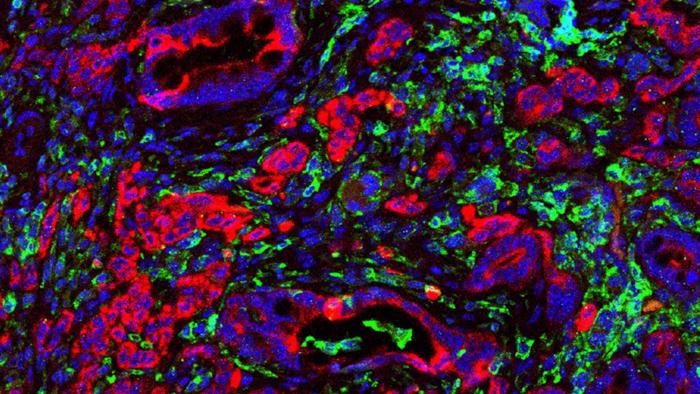
Peroxisome proliferator-activated receptor delta (PPARD) helps orchestrate fat burning inside human cells. To investigate this transcription factor’s role in health and disease, Beyaz’s lab first focused on a mouse model of colorectal cancer. The team found that while cancer cells have their own PPARD, activating PPARD on the immune side turns a pro-cancer tumour environment into an anti-cancer arena.
“It’s all about cell fitness,” Beyaz explains. “What cells eat affects who they are. When immune cells burn more fat, they become more fit for fighting cancer.”
But could these “leaner” immune cells kill diseased cells in human colorectal cancer? To find out, the lab activated PPARD in synthetic immune cells called CAR T cells. They then tested the PPARD-activated CAR T cells on organoids, miniature tumours grown from patient tissue samples. They also ran tests on human cancer cells in a dish and those implanted in mice.
In each case, Beyaz’s team found that PPARD-activated CAR T cells slow or stop tumour growth. Notably, CAR T cells are already used in some cancer immunotherapies.
Potential Applications Beyond Colorectal Cancer
The team initially focused on colorectal cancer because of how many young people die of it each year. However, they validated their results in other tumour types, including breast cancer, ovarian cancer, and melanoma. Beyaz believes their findings are the “tip of the iceberg” in opening new inroads to make cancer immunotherapy more effective.
“Boosting immune cell fitness may also help with other conditions where the immune system fails to clear diseased cells,” Beyaz says. His lab is now applying this approach to endometriosis, a chronic inflammatory disease affecting one in 10 women. Like colorectal cancer, it lacks effective treatment.
In a sense, Beyaz says, PPARD is not unlike “the force” from Star Wars. It can promote disease, like Darth Vader carrying out the will of the Emperor. Or, like Anakin Skywalker, it can see the light and kill the disease.
“It’s the classic fight between good and evil,” Beyaz says. “How can good ultimately prevail? Activating PPARD in immune cells could be the way.”
Read More :
 Sridhar P