
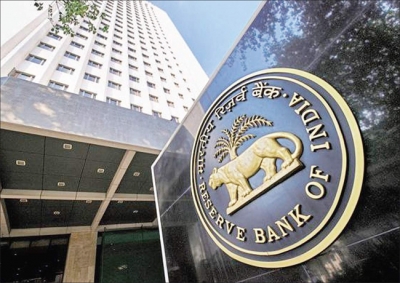
The Reserve Bank of India has proposed allowing bank customers to name a trusted adult to approve certain electronic fund transfers, giving account holders an optional second check before money leaves their accounts. The central bank released the draft on November 23 and invited comments through December 14, 2026. The draft also proposes an emergency switch to stop outgoing debits and a broader definition of bank negligence in fraud cases.
The RBI said the proposal would give customers “greater control over the manner and extent to which digital payment channels may be used.” The changes would build on directions issued on June 24, 2026, which addressed how customer liability is determined after unauthorised electronic banking transactions. The new consultation adds controls intended to prevent losses before a transfer is completed.
How second approval would work
Under the draft, a customer could nominate an adult as a trusted person and set the amount above which certain transfers require their approval. Reuters reported that the nominated person would have one hour to approve a qualifying transfer. If approval did not arrive within that window, the transaction would be cancelled. The threshold would come from the customer’s choice, so the proposal does not create a single amount that would apply across all accounts.
An April discussion paper had proposed a mandatory one-hour cooling period for large digital transactions and contemplated a trusted-person option for customers aged 70 or older. The November draft instead offers the nomination facility voluntarily to customers generally. The one-hour window is the time allowed for the nominated person to approve a covered transaction under the proposed option. It is distinct from a compulsory wait on large transfers across the banking system.
The proposed trusted-person mechanism would exclude Unified Payments Interface transfers, merchant payments and recurring mandates, according to Reuters. Those exclusions define how far the optional safeguard would reach. A customer who uses several payment channels would still need to understand which transactions each of the bank’s controls covers. The proposal concerns transaction approval, and the nomination described in the draft should not be read as a grant of general authority over the account.
Emergency controls and bank responsibility
Banks would also have to provide a “Stop Switch,” Reuters reported, that could immediately block customer-initiated outward debits. Other proposed controls would let customers set limits for individual transactions or recipients and choose periods when electronic payments are disabled. A customer could therefore set limits in advance or use an emergency control when they suspect account misuse. The RBI’s announcement addresses banking safety, a separate issue from recent digital identity checks for overseas securities investors.
The draft expands the circumstances in which banks could be found negligent. Reuters reported that examples include failure to use multi-factor authentication or to send transaction alerts, as well as internal security breaches and collusion by staff. The June directions and the proposed amendment matter at different points in a fraud case: an emergency block can help prevent more debits, while the liability rules determine who bears a loss after an unauthorised transaction.
The RBI issued draft amendments for seven classes of institution, including commercial banks, small finance banks, payments banks, regional rural banks and co-operative banks. Reuters reported that the draft envisages January 1, 2027, for changes to the negligence definition and July 1, 2027, for the trusted-person option and other payment controls. Those dates are proposals. The Reserve Bank published separate draft directions for each bank category. Banks and members of the public can comment before the RBI settles the final directions. The final wording will determine the duties banks must implement and the controls customers will be able to activate.