
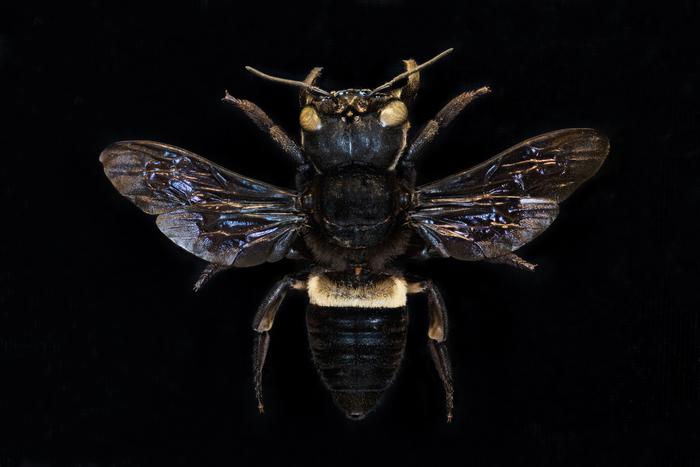
Islands account for only around 6% of the Earth’s land area but are home to approximately one-fifth of all known bee species, according to the first global assessment of island bees published in Nature. The study identified 1,742 bee species found exclusively on islands, highlighting the ecological importance of these habitats and the need for stronger pollinator conservation efforts.
An international research team compiled more than 600,000 bee records from 305 islands, documenting 4,128 native species. The findings provide a global overview of island bee diversity and establish a baseline for understanding how these pollinators colonise, evolve and survive in isolated environments.
Mediterranean Islands Show High Bee Diversity
The research identifies the Mediterranean as a particularly rich region for island bee diversity. Islands such as Sicily and Cyprus support some of the highest concentrations of bee species.
Large tropical islands, including Hawaii and Madagascar, are also home to distinctive bee populations, with several species found nowhere else.
The study’s database brings together records from different island environments, offering researchers a broader understanding of the distribution of native and island-exclusive bee species.
Study Calls for Stronger Protection of Island Pollinators
Researchers say the findings can help guide conservation strategies by establishing a reference point for monitoring island bee populations and understanding the factors influencing their survival.
Leon Marshall, the study’s first author, who is now affiliated with Naturalis Biodiversity Center in the Netherlands, said: “We established a baseline on which we can explore the dynamics of bees on islands, understanding how they arrive, diversify and survive on islands. But the paper also guides our efforts to safeguard these important pollinators”
The research also has implications beyond islands surrounded by oceans. Fragmented habitats on the mainland can function like isolated islands, limiting the movement of bees and other species.
Senior author Professor Nicolas Vereecken of Université libre de Bruxelles (ULB) explained: “Beyond oceanic islands, our findings also encourage us to explore archipelago-like landscapes on land, where fragmented habitats become ‘islands’ for bees and other species. Understanding how area, isolation and connectivity shape these terrestrial archipelagos could be key to safeguarding pollinators in human-modified landscapes.”
Citizen Science Images Help Track Bee Species
The research highlights the growing importance of community science platforms such as iNaturalist and ObsIdentify in documenting biodiversity.
Photographs submitted by members of the public can help researchers identify bee species, particularly in remote locations that are rarely visited by specialist collectors.
John Ascher of the Department of Biological Sciences at the National University of Singapore’s Faculty of Science, whose global type specimen database supported much of the island data, said: “Some islands are rarely if ever visited by specialist bee collectors. Because many bee species are very distinct, it’s possible to reliably identify a large proportion of individuals from images. This approach allowed us to document colonization of remote islands by leafcutter and other bees, and to show persistence of species of conservation interest such as US federally-listed Hawaiian masked bees.”
Global Checklist Provides a Foundation for Future Research
By bringing together more than 600,000 records across 305 islands, the study offers the first comprehensive global assessment of island bee diversity.
The researchers say the findings can support future investigations into how isolation, habitat size and connectivity influence species distribution and evolution. They may also help conservationists identify vulnerable pollinator populations in both island ecosystems and fragmented mainland habitats.
With 1,742 species found exclusively on islands, the assessment underscores the importance of protecting these environments as reservoirs of unique biodiversity.
Read More :