
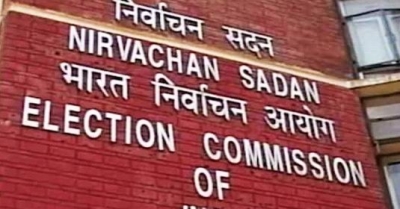
India’s Election Commission is facing fresh scrutiny after reports that two election commissioners raised objections to decisions on voter registration, electoral-roll management and election data, exposing internal disagreements at the constitutional body responsible for conducting the country’s elections.
The reported dissent comes as the commission undertakes a nationwide Special Intensive Revision (SIR) of electoral rolls, an exercise that has triggered a political confrontation with opposition parties over the deletion and verification of voter names. The opposition has alleged that the process could disenfranchise legitimate voters, while the Election Commission has defended the revision as necessary to remove ineligible entries and maintain accurate electoral rolls.
The reported differences within the commission have added a new dimension to an already contentious political dispute: whether concerns about India’s electoral process are limited to disagreements between the Election Commission and opposition parties, or whether they also reflect substantive differences within the institution itself.
Internal disagreements raise questions over transparency
The controversy follows a report by The Indian Express that commissioners Sukhbir Singh Sandhu and Vivek Joshi had raised concerns or objections on several occasions involving the electoral database and voter-registration process.
According to the report, the two commissioners raised concerns in at least 14 instances over a 10-month period and, in one case, wrote to a state chief secretary. The commissioners have not publicly commented on the report.
The Election Commission has described differences of opinion as a normal part of institutional deliberations. It has also said that major reforms undertaken during the period were approved unanimously by the full commission.
The significance of the reported disagreements therefore depends on what the underlying objections concerned, how they were resolved and whether the relevant records demonstrate procedural or substantive problems.
SIR becomes the centre of the political dispute
The internal controversy comes against the backdrop of the Special Intensive Revision of electoral rolls, which the Election Commission says is intended to identify deceased, duplicate, shifted and otherwise ineligible voters.
Opposition parties have strongly criticised the exercise, arguing that verification requirements and deletions could exclude legitimate voters. The Election Commission has rejected those allegations and maintained that voters have established procedures through which their names can be included or restored.
The dispute has been particularly intense in West Bengal, where political parties have challenged the scale and implementation of the revision and its potential impact on the electorate.
The latest reports have given the opposition another basis for questioning the commission, with leaders arguing that internal objections strengthen their concerns about the way electoral rolls are being managed. The BJP and the Election Commission have rejected the broader allegations of electoral manipulation.
The credibility issue goes beyond one election
The immediate political dispute centres on the Election Commission, the voter-roll revision and the reported disagreements among commissioners. But the larger issue is the credibility of India’s electoral administration.
For the commission, the challenge is to explain how disputed decisions are made, how internal objections are considered and resolved, and how voters can effectively challenge errors in electoral rolls.
For the opposition, the challenge is to establish its allegations through identifiable cases and documentary evidence rather than treating every administrative dispute as proof of electoral manipulation.
An electoral-roll error, an internal disagreement and deliberate manipulation of an election are different claims requiring different evidence.
The reported dissent therefore does not, by itself, establish that India’s elections have been rigged. It does, however, put greater attention on a question that is central to public confidence in the electoral process: how transparent and accountable are the decisions governing who gets to vote.